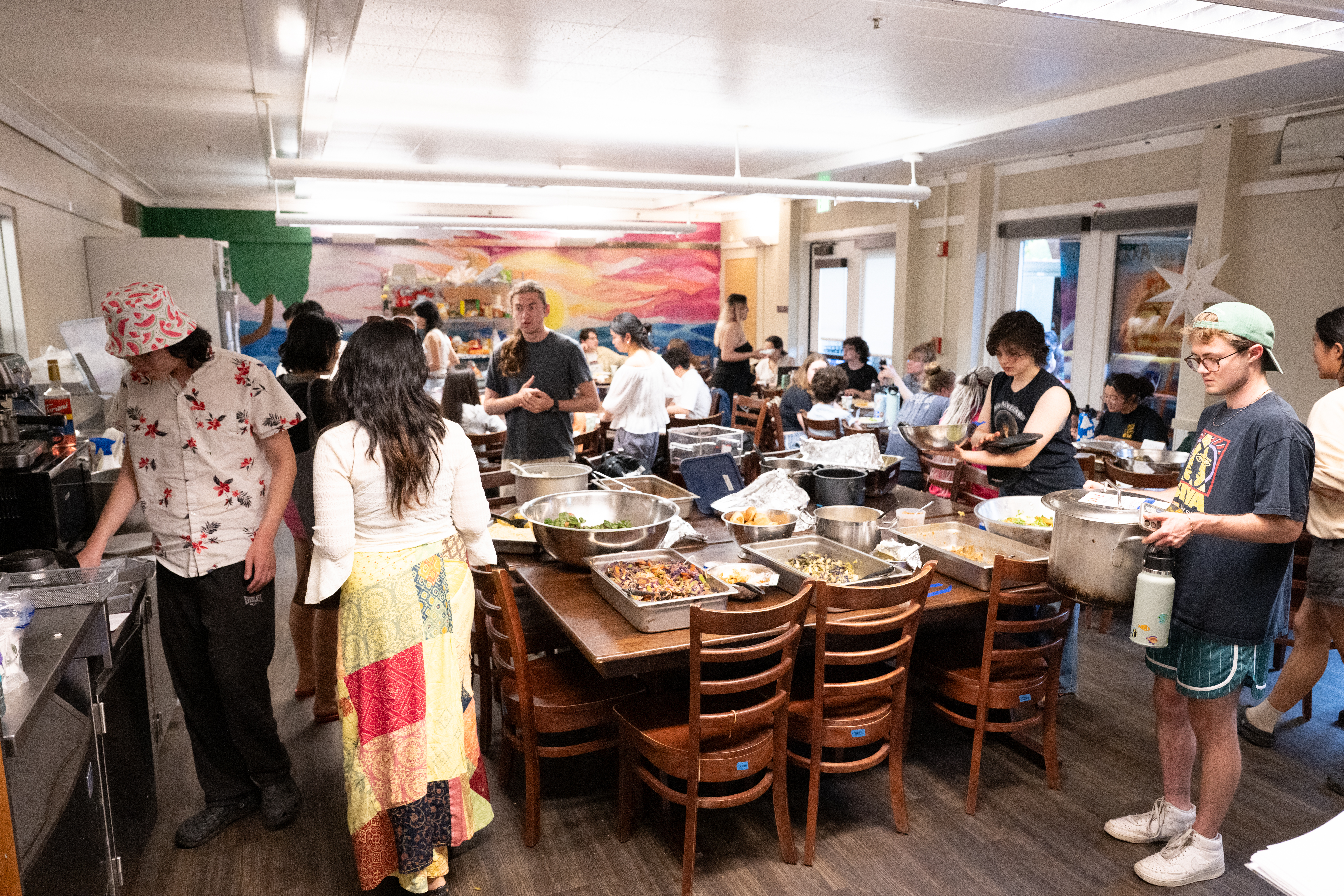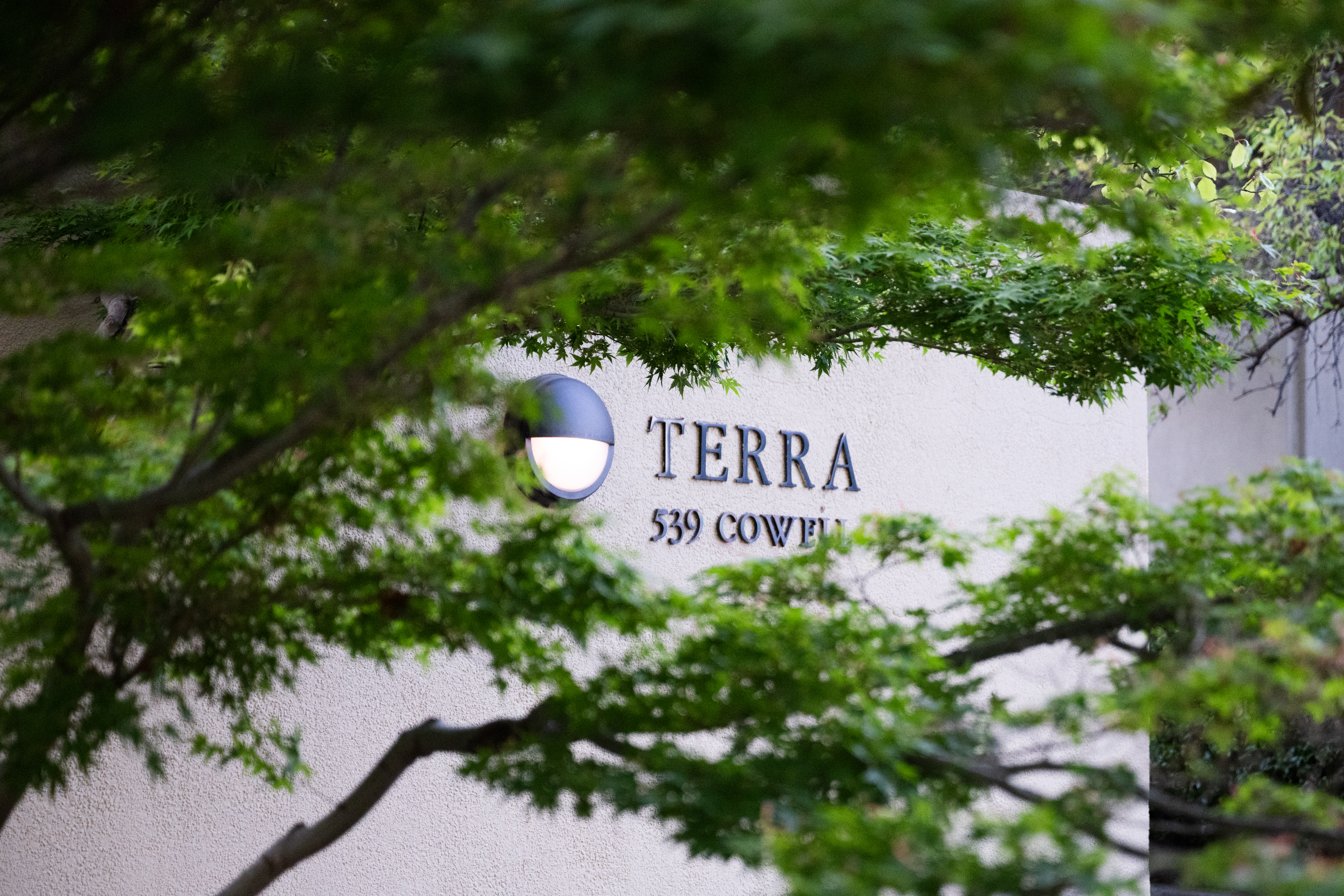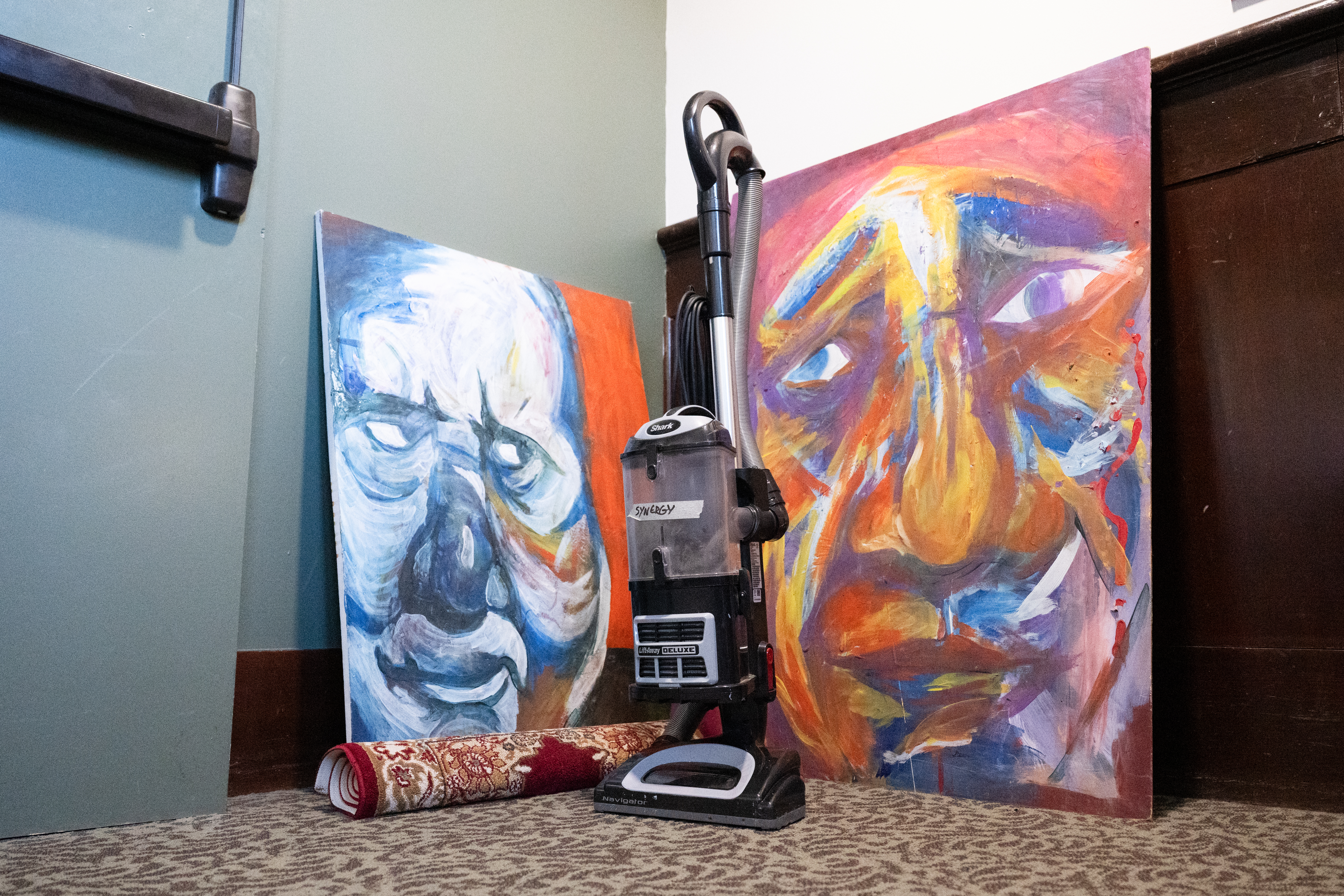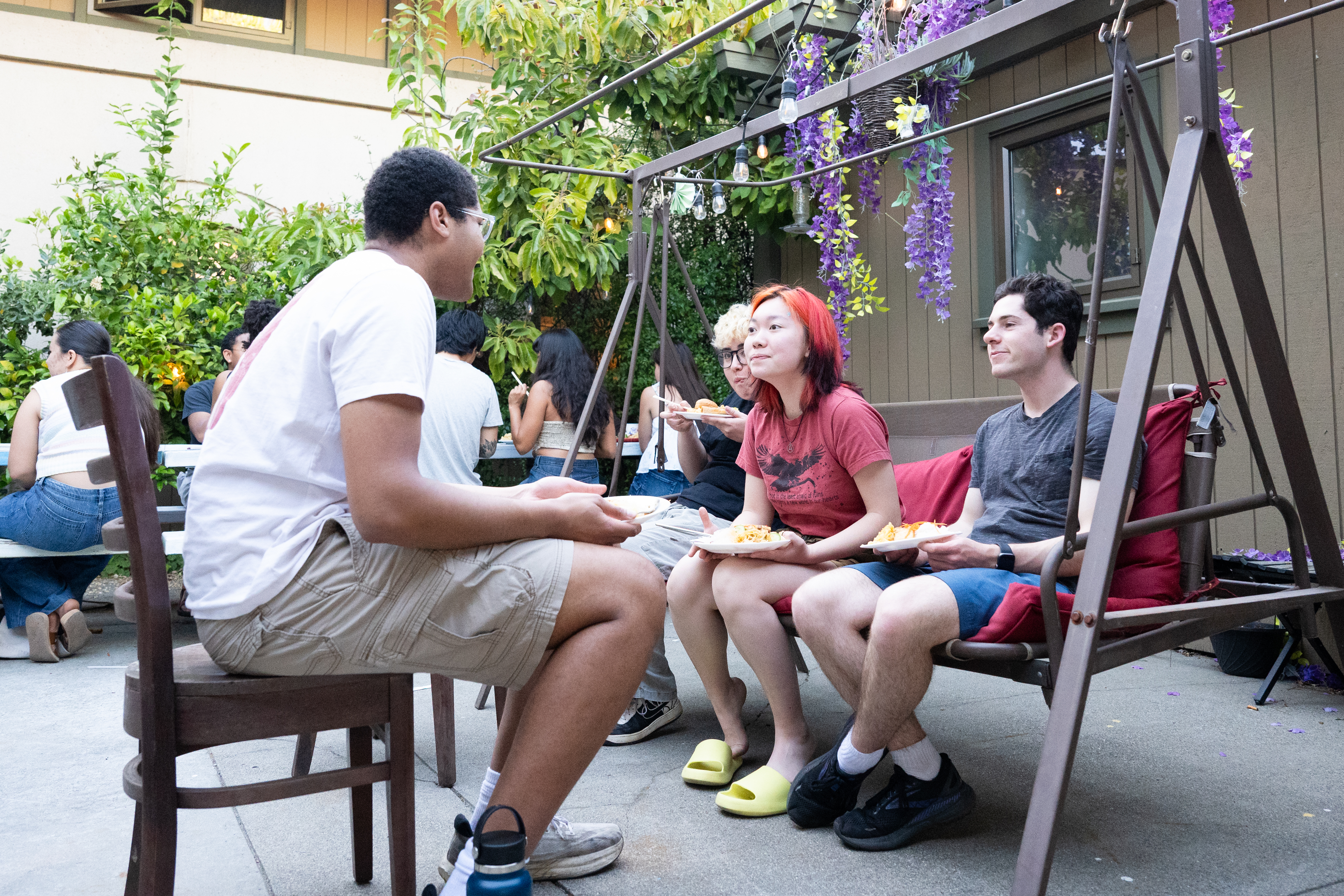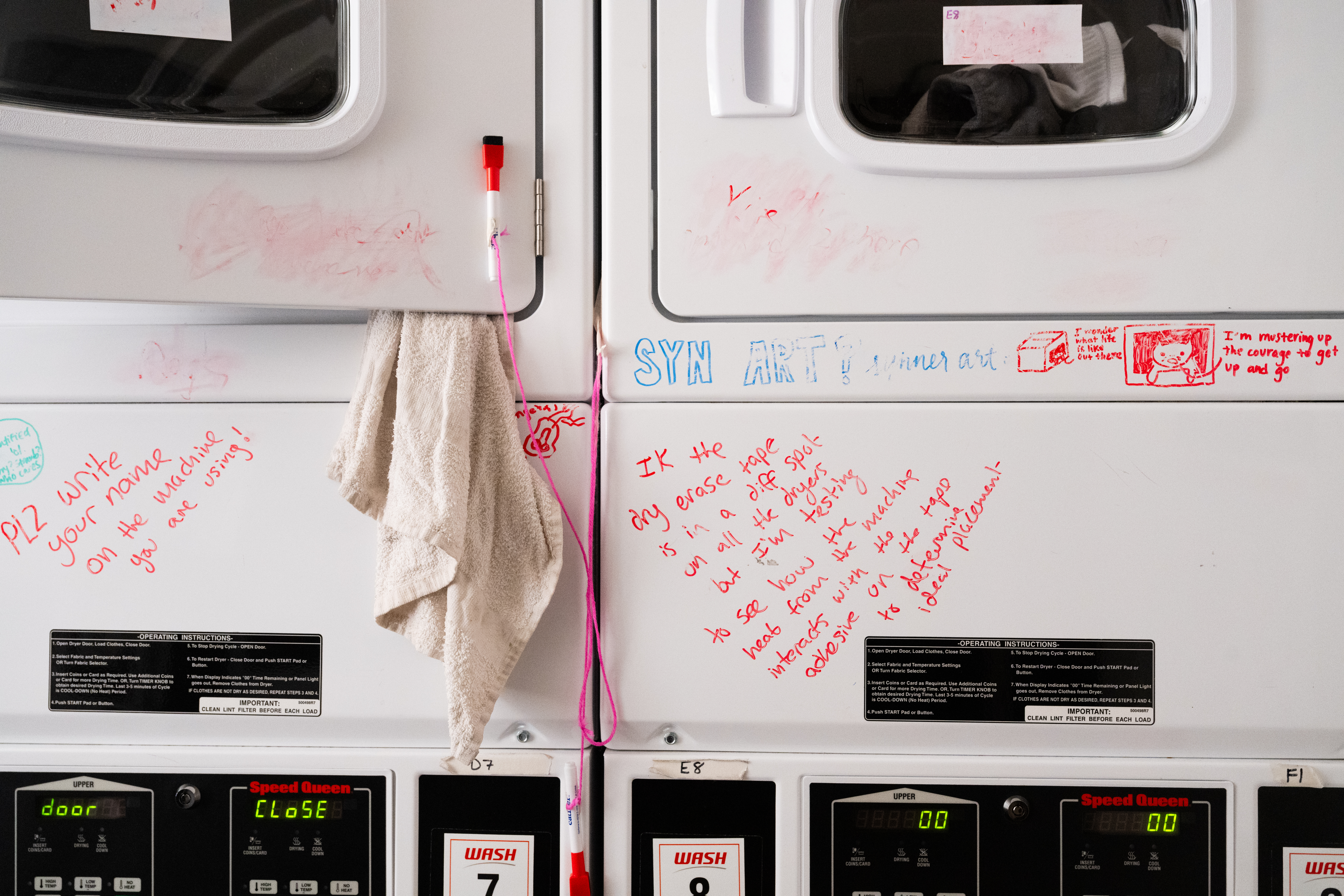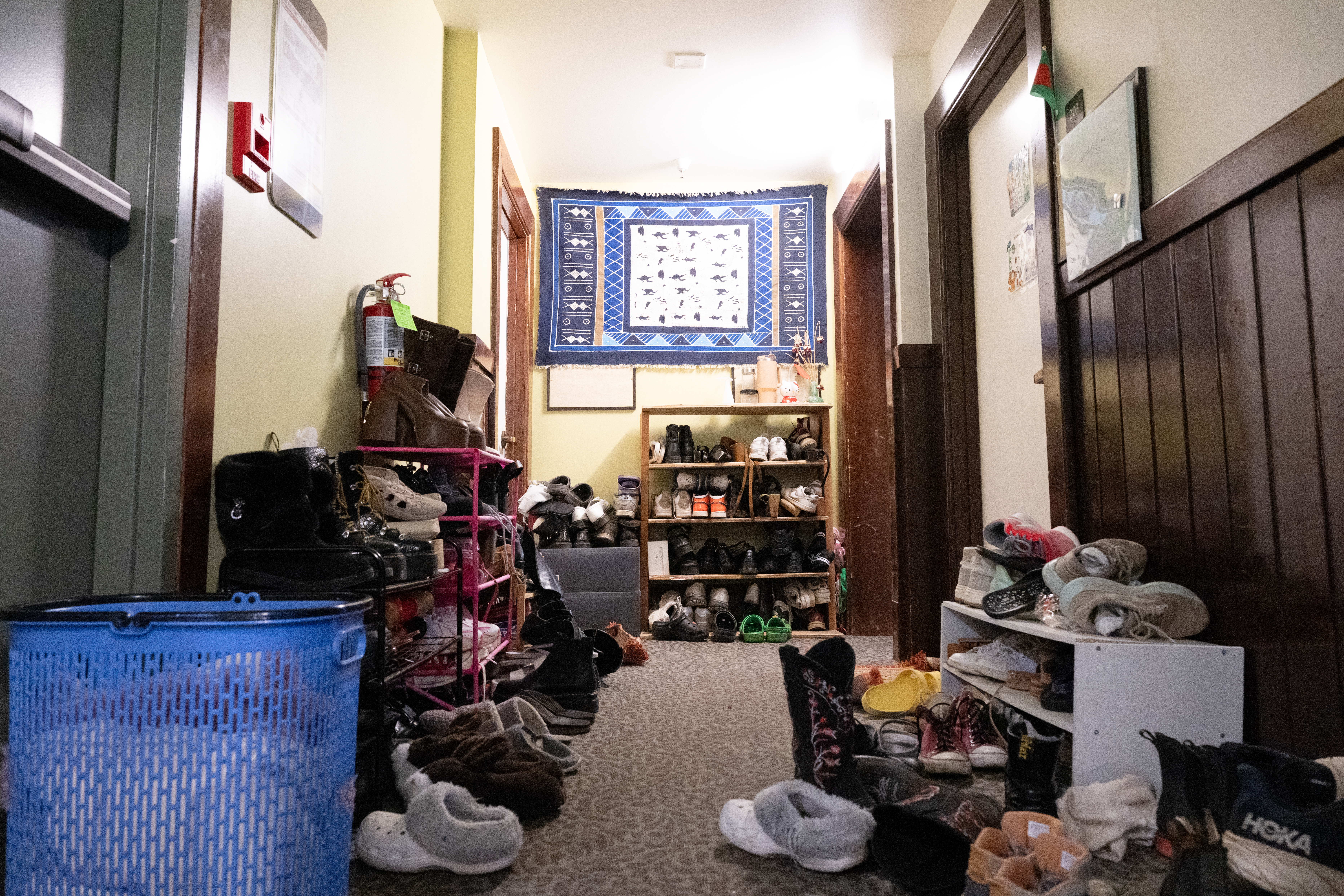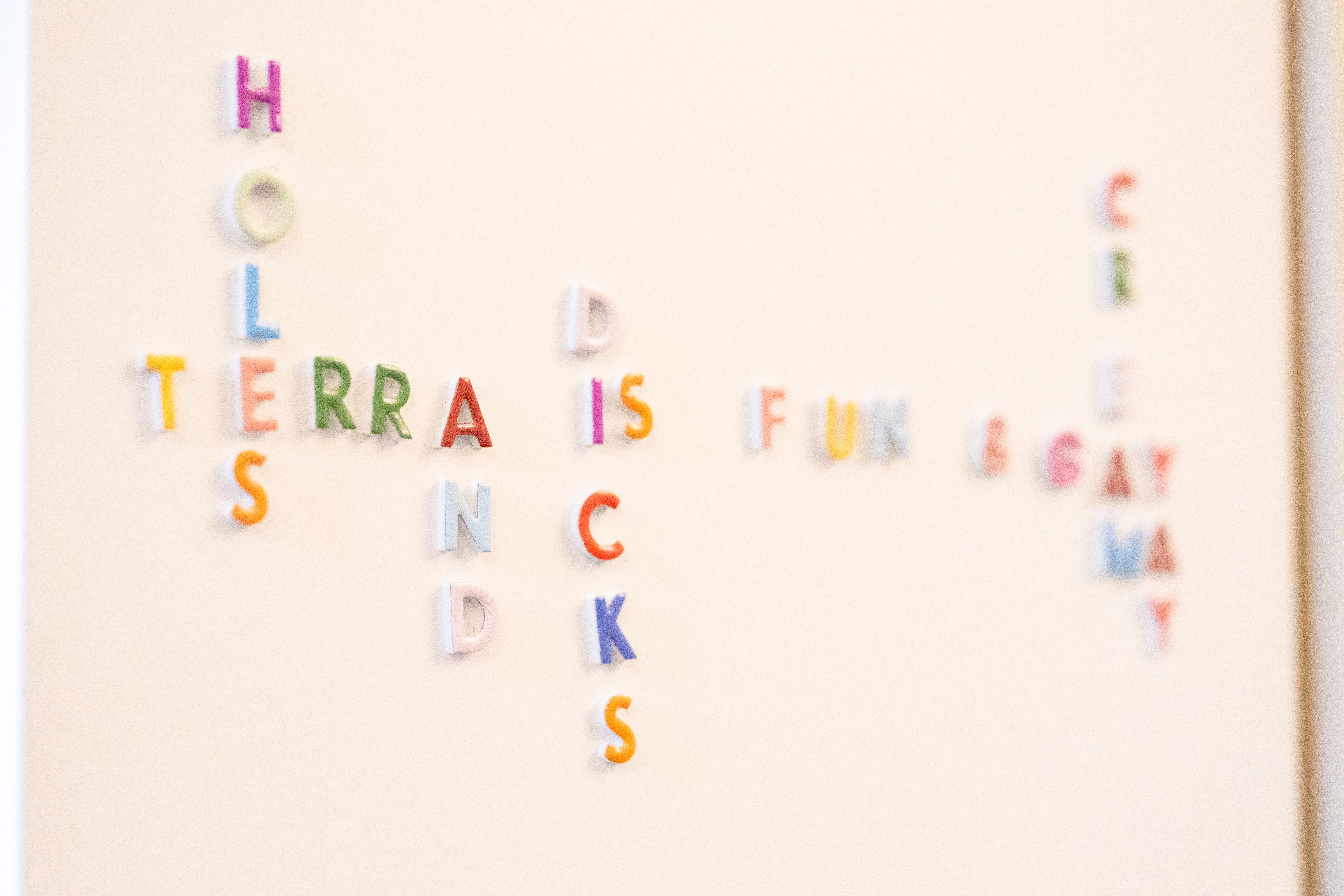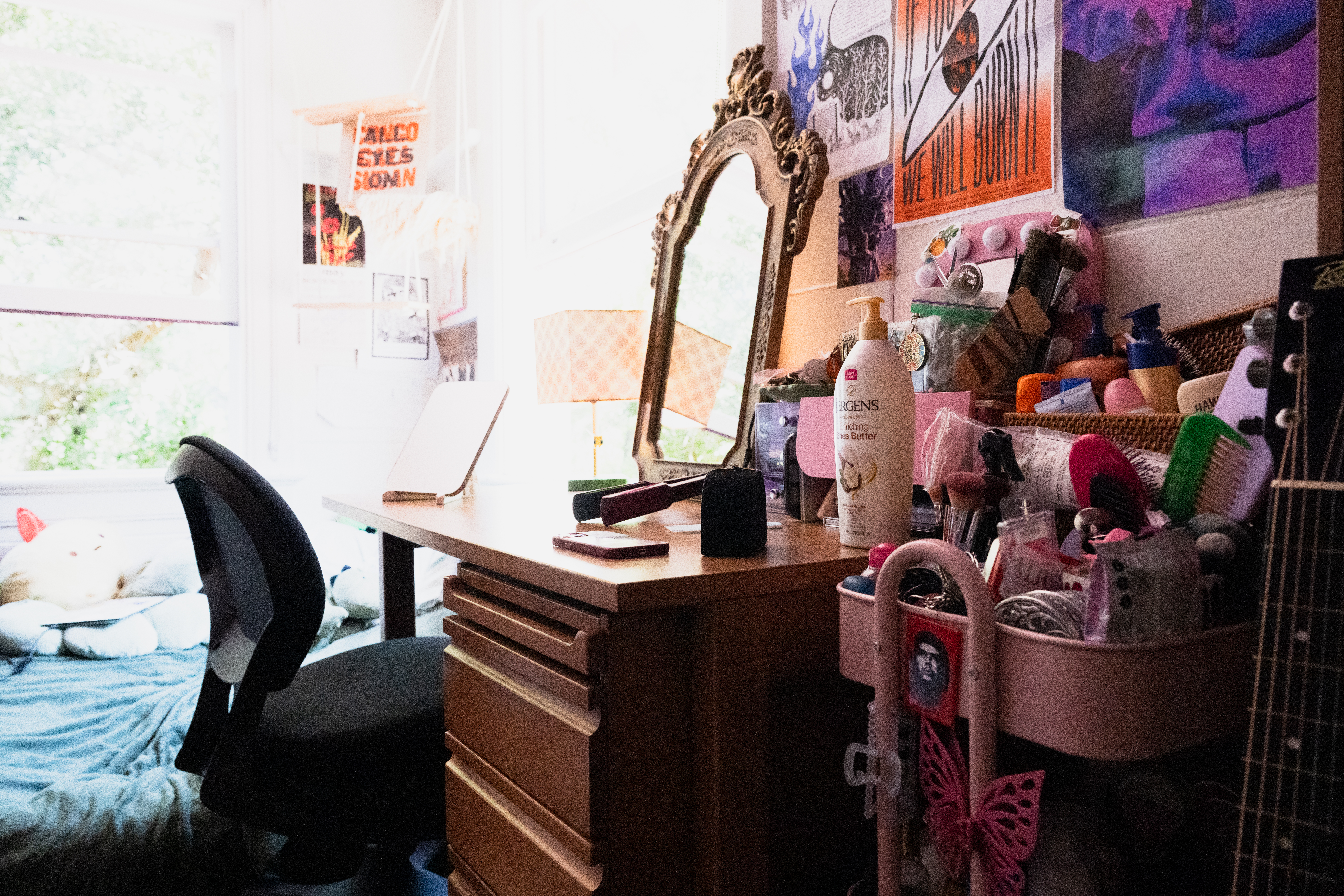
As Stanford administration moved to remove the co-ops Synergy and Terra, students pushed back through organizing, grieving and negotiating to hold onto homes built over decades of intentional living. In the midst of this resistance, a reporter and photographer from The Stanford Daily visited the communal homes facing removal, spending time with residents in their kitchens, backyards and living rooms — the spaces where day-to-day life and protest quietly coexist.
The last time Stanford terminated a co-op was in 1978. This month, a University decision called for Synergy and Terra to be stripped of their themes and converted to self-ops. On Thursday, the Co-op Council announced that it had successfully reached an agreement with Stanford’s Residential Education (ResEd) office to preserve Synergy and Terra as cooperative housing options for the upcoming academic year.
These are carefully constructed sanctuaries — places shaped by intention, care and collective memory. “They’re not just places to live,” residents said. “They’re how we choose to live.”
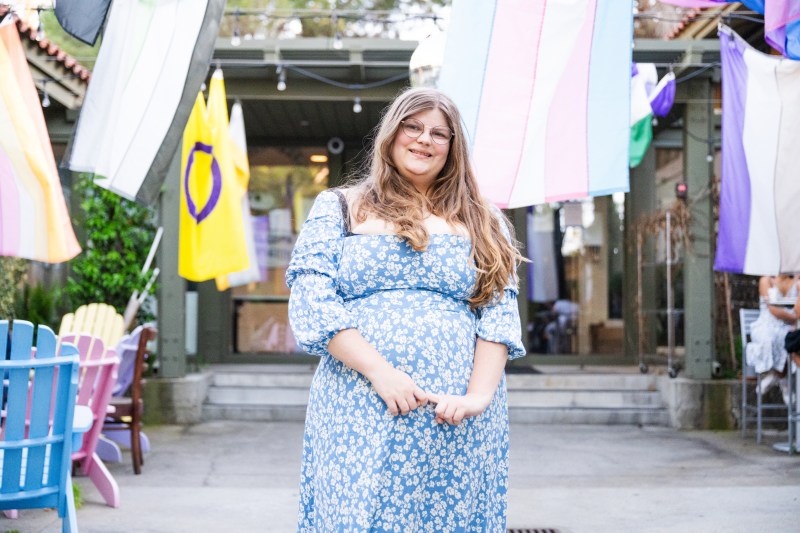
A friend who was a Residential Assistant (RA) at Terra had reached out. “They said, ‘Come live in queer community.’ And I said, ‘You know what, I will.’” Jules moved into Terra the next year.
“It completely turned my life around. I started doing well again, I started being happy. I felt like I could heal,” she said.
Jules is a former foster youth and works at the First-Generation and/or Low-Income Student Success Center (FLISSC) with the Guardian Scholars Program, supporting foster students navigating Stanford like she once did. She plans to RA Synergy next year. Like many Synergy folks, she’s taking an untraditional path — this is her fourth year of classes but her fifth year on campus. She’s taken time off, lived in several dorms and found her grounding through co-ops.
She’s a proud nerd for subcultures — especially comic book fandoms. Her first comics came from a 50 cents bin at Half Price Books when she was in middle school. “They were always out of order,” she laughed. Now, she creates video essays exploring what makes a subcultural community tick. “One of the reasons I love co-ops is because they’re subcultural,” she explained. “They ask: How do you form communities out of alternatives?”
One answer? An ice cream truck. “Before the co-op solidarity dinner, someone dropped in the Synergy group chat: ‘there’s an ice cream truck outside!’” She said that kind of joyful, informal togetherness makes these spaces feel like home.
She identifies as lesbian and non-binary, and co-ops have been where she’s felt most safe exploring that identity. “It’s the first place I ever felt safe to leave my windows open at night,” she said. “I love the breeze. It’s a well-ventilated house.” Her room at Terra once had a neighborhood cat who wandered in regularly.
Now at Synergy, Jules still takes the Marg everywhere. “My legs don’t always like me,” she said. “So Terra and Synergy, with stops right nearby, have made all the difference.”
It’s the little things. The breeze. The Marg. A cat who visits. A Terrabyte (community-led discussions on a variety of topics, previously including transgender rights) conversation about neurodivergence and queerness. Jules has built a life out of these alternatives.
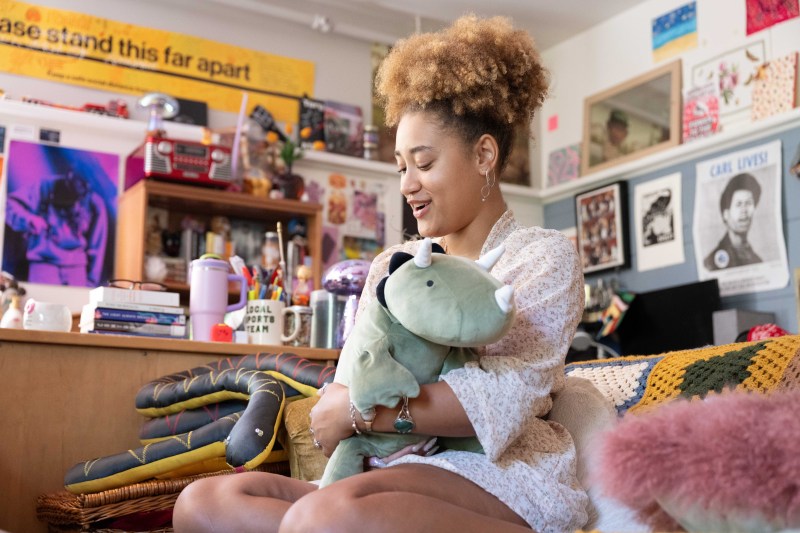
“I don’t really use desks,” said Alisha, describing her space at Synergy, where she moved in after studying abroad in Australia. Synergy was her top choice when she requested housing. “I knew I wanted to be accountable for myself, responsible for myself,” she said.
Alisha currently lives in the 8-person mune (communal) space. She’d visited a friend at Synergy previously and fell in love with the dark wood by the stairwell. An international relations major with a minor in human rights, Alisha is also theoretically minoring in history — if she turns in the paperwork. Originally from Ellicott City, Maryland, she spent time living in the Dominican Republic for four years, Zambia for three and Angola for a couple of months. Her mother is Angolan, and her father, an American humanitarian aid worker, moved the family wherever he was stationed.
“There’s always been a pretty full house,” Alisha said, referencing her parents, brother, sister, cousin and dog. “I’m used to sharing things, but I recognize that could be intimidating for a lot of people who don’t know what the expectations are in such a flexible environment.”
A couple of weeks ago, Alisha was feeling sick, and someone from the house brought her Vicks VapoRub. “It took me right back home,” she said.
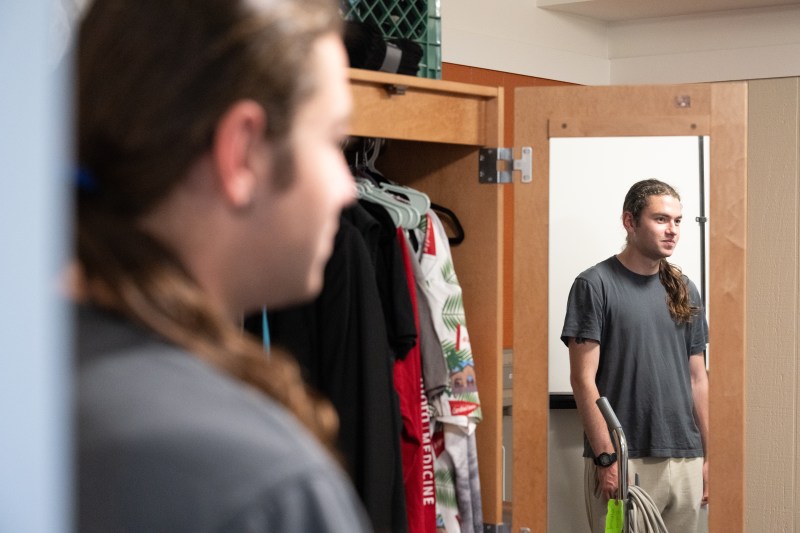
James cut the house tour of Terra short to join his fellow residents at the On Call Q&A with Vice Provost Jenny Martinez. He’d just finished walking us through Terra’s rooms: the kitchen with Gertrude the industrial mixer, a fridge stocked with dino nuggets (“a nod to neurodivergence,” he said) and a hallway filled with mismatched furniture and never-questioned decorations. This is his second year living in Terra. He was pre-assigned as a junior.
“I thought it’d just be a nice dorm,” he said. “But the community kinda stole me.” What he found instead was a home he hadn’t been expecting. Now, he’s on staff, wearing lobster slippers as he drifts through the house — from the free store (where old Stanford merch finds new life) to the gym corner, which was set up for those who find traditional workout spaces too intimidating. “A lot of people here are worried about going to the gym because it can be a very masculine, hyper-visible space,” he said. “So it’s helpful to have something here.”
There’s a medicine shelf stocked with communal DayQuil and Advil. In one room, there’s a drum set and piano, though James is not sure how long it took to accumulate all of it. In the party closet, he found a painting of Terra and felt it deserved to be on the wall. “I mean, it was just sitting there,” he said.
The house’s theme this year — part of its long tradition of choosing playful, identity-rich names — is Terra-stic Park. “It’s our loudest, queerest self,” someone had written on a whiteboard. This quarter’s party is QUOM: Queer Prom. It’s been a tradition for three years now, and it was one of the first events he came to at Terra, before he even lived there.
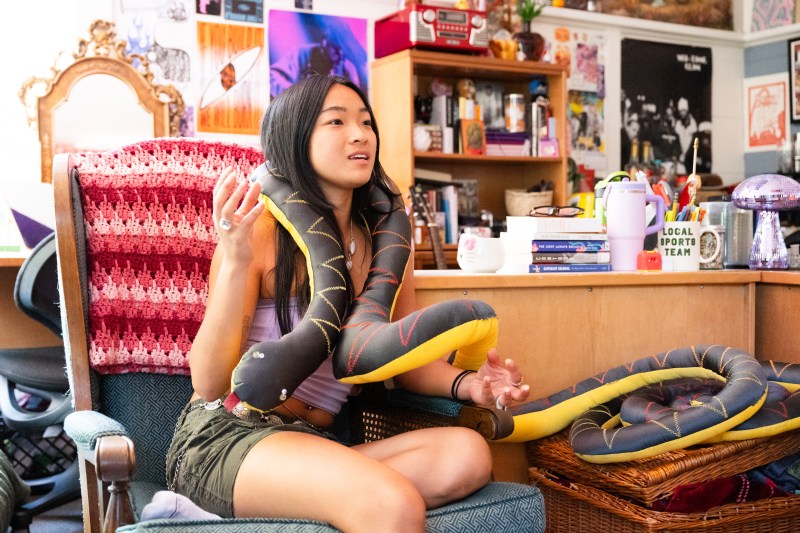
At 23, they’ve moved more than 20 times. “For a really long time,” they said, “I dreamed about creating a home where I could exhale at the end of the day.” For them, Synergy is that home.
They’re a super senior — originally Class of ’24, now walking with ’25 — completing 11 quarters over five years. This is their first full academic year spent entirely on campus. They’re from New York, where “there aren’t many gardens,” they noted, “and definitely not ones you get to tend.” That act of being in relationship with the land, growing things others planted decades ago, feels grounding. When they looked through the garden, they saw plants that people sowed decades ago. Every quarter, alumni come back during rooming meetings to cook brunch for current residents and talk about the house’s history. “It feels generational.”
They once made a stuffed animal snake.
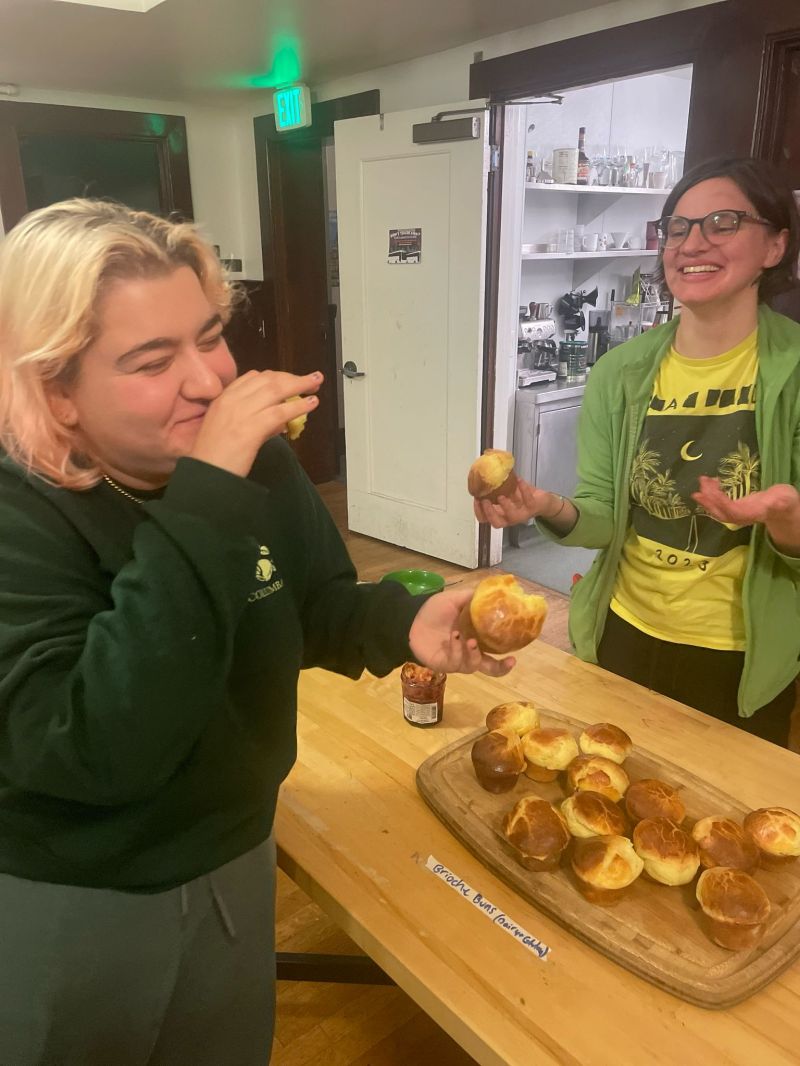
Muki loves sitting on the back porch in springtime: jasmine curls up the wooden beams and a flowery scent fills the air.
He was sixteen years old when he applied to Stanford, having grown up in Turkey, where transitioning wasn’t an option. College was his ticket out. But things haven’t been simple. “Most international students come from extremely privileged backgrounds. I did, too, but now I’m in a much worse financial position.” He paused. “Synergy attracts a lot of people with special circumstances. Sometimes I feel like I’m one of those people Stanford regrets admitting.”
Muki identifies as queer, Muslim and transgender. Synergy, he said, is the only place where he found a home for all of these parts of himself. He’s put graduate school on hold because of health and safety concerns, though he intends to pursue a master’s of fine arts in poetry or maybe a master’s in divinity, he said. “Synergy gave me stability. It’s the only place I’ve found on campus that feels like home for people who can’t find a home elsewhere.”
One time, he buried a dead rat in the backyard. “I’m gonna dig it up once it’s fully decayed,” he explained. “To make jewelry out of the bones.”
He laughed. “I used to live in TriDelt as a boarder. Two quarters.” The difference, he said, is in the culture of care. “The mailbox was always broken and no one ever fixed it. But at Synergy, the DIY crew built new cubbies for everyone’s mail.” Eventually, he started delivering mail to housemates’ rooms by hand. “They called me the mail fairy,” he says — a reclaimed slur that holds weight for a queer, gay man. “No one in the house questioned it.” In his former housing, he recalled, a roommate once used a Turkish slur for queer people in front of him. “There was a level of insensitivity that no one even noticed.”
Still, he believes things can change. “There’s a bigger culture of accountability at Synergy,” he said. “You can call things out here with the people who are now your family. You are not alone.”
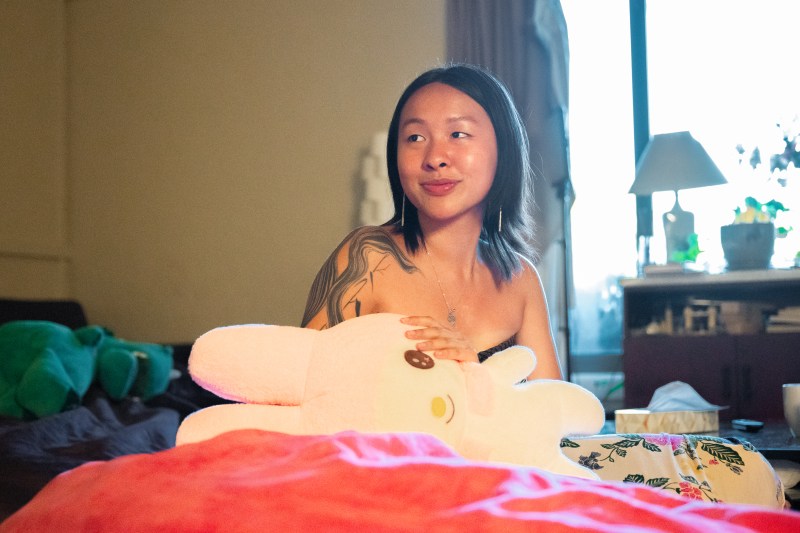
Gio was drawn into Terra through a friend-of-a-friend dinner and stayed because it felt like her first authentic home. “Normal dorms feel like hotels,” she said. “Terra doesn’t.” For Gio, the Bi-Centennial Room (lovingly renamed the “Bi Room”) is the heart of the house. “This purple bean bag is almost where I fall asleep every night,” she laughed, remembering late-night watch parties alternating between ‘Sex and the City’ and ‘The Good Place.’ Her favorite episode? The one about Janet and Michael. “It’s about how friends become family.”
She plans to be an RA next year — and maybe even Kitchen Manager too. “We cook and clean for ourselves here. There’s something intimate about taking care of each other, especially queer people. It’s revolutionary.”
Terra has changed how she understands queerness. “Queerness is this amorphous blob that we cannot completely define. It’s so much more than gender or identity — it’s about imagining alternate ways of care, and connection. Living here expanded my definition of family, of love, of what relationships can look like.”
She describes Terra as warm, soft, whimsical, “like the singer Aurora.” You can often find her crafting in the sewing room, where she hand-beaded her own white Junior Formal dress. “I learned how to do a line stitch from a friend here,” she shares. “I sewed the whole thing in Terra’s craft room. I still remember the smell of cookies while I was working.”
Gio’s also proud of Terra’s quiet impact: from running the community fridge at the Haas Center with Synergy, to giving SHPRC storage space after they lost room on campus, she said. “Something about this space, the fact that it’s unofficially known as the queer co-op, makes people feel like they can reach out. Like they’ll be met without judgment.”
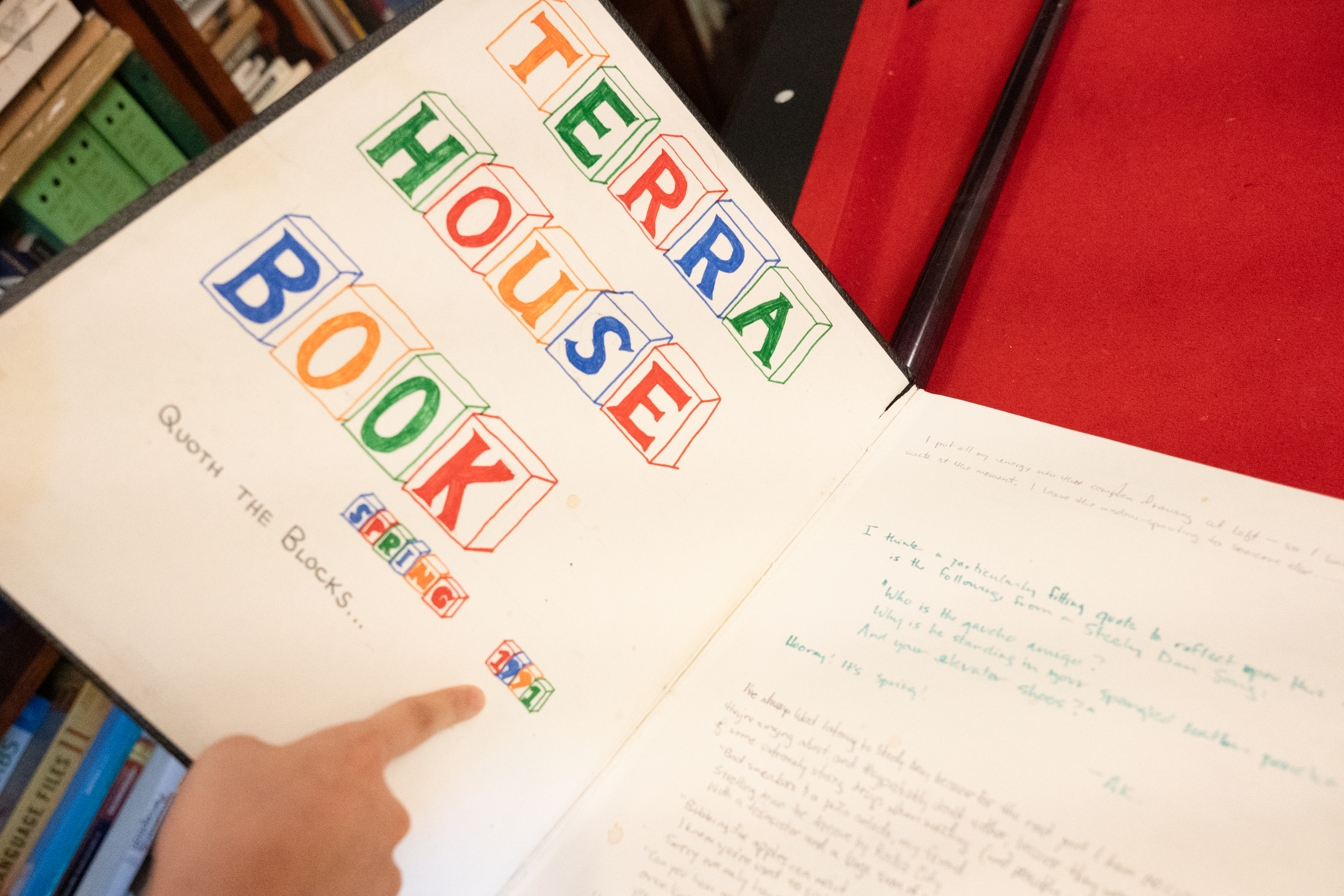
She’s named little corners of the house, such as Chappell Roar: the dinosaur that greets residents by the front door. “The bookshelves have annotations from the ’80s,” she says. “The Terra books — our communal journals — have decades of entries. I don’t know where they’d go if Terra were sunsetted. This place… it became my baby. It’s part of our family.”
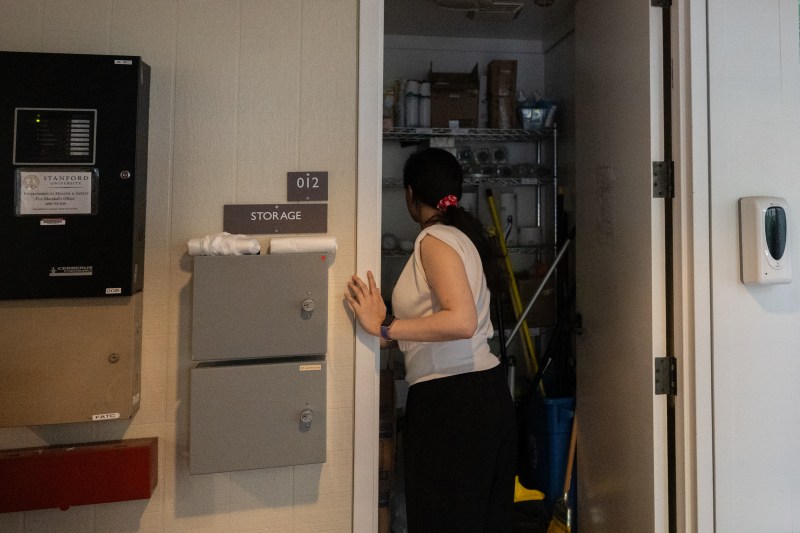
She’s very famous for turning off the pantry light,” a friend said, half-joking. Ashley, a coterm who’s been at Stanford since 2019, doesn’t live in Terra anymore. She’s in grad housing now, but she’s still at the house almost every day. “There’s a light in the bathroom supply closet that nobody ever turns off,” she explained. “So the first thing I do when I walk in is flip that switch. It kills me when I see it on.”
Ashley first toured Terra as a sophomore, just after the pandemic year, looking for the kind of connection she never got in a freshman dorm. She didn’t know much about co-ops then. A friend gave her a tour, and she picked Terra simply because it was the only co-op she’d seen. But it was the chores — the daily acts of cooking, cleaning, reorganizing the spice rack — that shifted something. “I didn’t realize how much that work actually adds to your autonomy,” she said. “You’re allowed to do things to the space. It’s not just a house.”
Now an eating associate, she floats in and out, joining cook shifts when there’s an opening or tidying up without being asked. Sometimes she flips through the house books, a hand-drawn archive of inside jokes, dinner notes and memories dating back to the 1980s. A few years are missing. One of her former housemates signed a page in the margins; that friend is now married. “I think I’ve always wanted to live in a place like this,” Ashley said, “but I didn’t know it existed.”
She once described Terra in the form of a sandwich: “This sandwich is insane because my friend made this bread, my other friend made this sauce, my other friend grew this lettuce — and I’m eating it. It took a co-op to happen.”
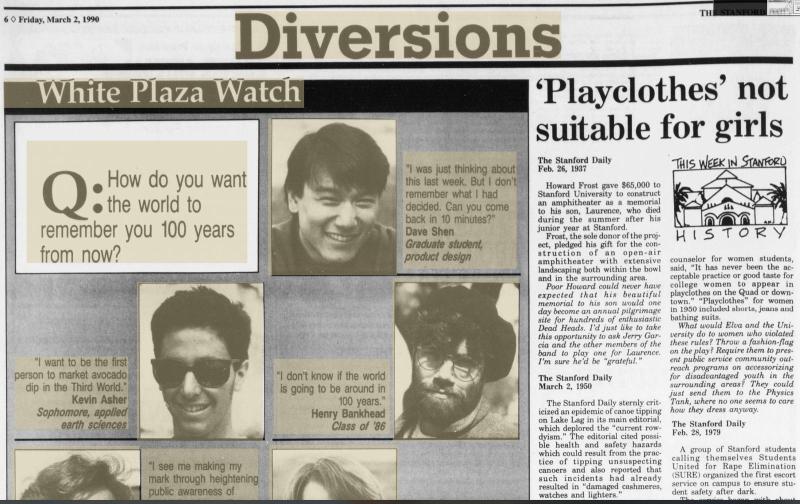
“Living in a co-op in college has been the guiding star of my entire existence,” said Henry Bankhead, now deputy director of library services at the Berkeley Public Library. It’s a perspective that has shaped the way he moves through the world — from growing corn to baking sourdough. “Synergy was the beginning of thoughtfully exploring all I do now.”
There’s a photo of him in The Daily archives, his head tilted, captioned with a quote: “I don’t know if the world is going to be around in 100 years.” He still hopes that won’t be the case — at least, not for Synergy. “The University has been trying to close Synergy for the past 40 years,” he said. “Yet it’s still standing.”
These days, in the midst of working and adult life, he says the most important thing in his life is food. Vegetable gardens. Homegrown staples. He passes that sensibility on. One of his kids is transgender, and he’s encouraged them to consider living in a co-op while at university, too. “We need to have safe spaces for people to live.”
“Living in a dorm is infantilism,” he said — not bitterly, just plainly. For Bankhead, Synergy wasn’t just where he lived. It was where he learned how to.
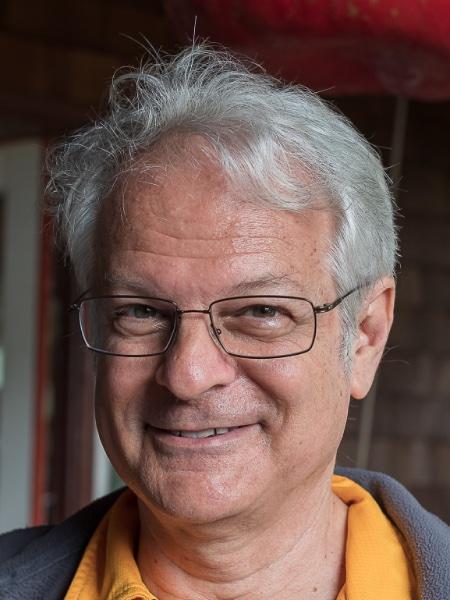
Lee Altenberg, a Stanford-trained theoretical population biologist, helped organize Synergy’s 10-year reunion in 1982 — just years after he met Pentagon Papers whistleblower Daniel Ellsberg at a co-op BBQ. Attenberg didn’t just live at Synergy — he carried its blueprint across the country. “Basically all the things I’d seen at Stanford, I was inspired by, and I got it running at Duke University,” he says, recalling how he transplanted the co-op’s spirit as a post-doc there. Synergy’s impact, he points out, has echoed far beyond its walls. “It’s had formative results on students across schools.” Among its alumni are former U.S. President Barack Obama’s ambassador to Russia, the current president and CEO of the Packard Foundation and a former mayor of Boulder, Colorado.
But his deepest memory of the house isn’t infrastructural. It’s a moment from a house meeting. “There were all these different kinds of characters,” he recalled. “And, you know, some I didn’t like at all. But I suddenly realized: every single person is a credible part of this community. A unique presence. The house just wouldn’t be the same without them.” That realization — that to live together in intentional community is to see each person as essential — stuck with him. “It’s a different way to be a human being,” he said. “That’s what the Synergy consensus process brought out.”
To Altenberg, Synergy is a living template, or “an idea that gets transmitted down generations.” He compared it to the evolutionary processes he studies in biology: adaptation, inheritance, continuity. “People have been creating campus communities, and this one has been transmitted continuously through the Synergy community for over 50 years.”
He remembers when Stanford put Terra and Synergy on probation in 1984 — a moment that stuck with him. But he also remembers that there’s no real tradition of eliminating co-ops at Stanford: the last time one was terminated was in 1978.
Much would be lost if the University allows co-ops to disappear. “It’s a place where you work with other people to try to integrate your values with your studies and your community,” he said. “If Synergy is terminated, future Stanford students won’t have that opportunity. It’s an invention passed down culturally, and if it’s destroyed, it drives those lived experiences into extinction.”
He paused. “You don’t get to recreate that once it’s gone. That’s true for Native languages, for endangered species, for Synergy. If it’s lost, it’s lost forever. Stanford really needs to realize what an asset they have in this 50-year-old community, and how lucky they are to still have it.”