
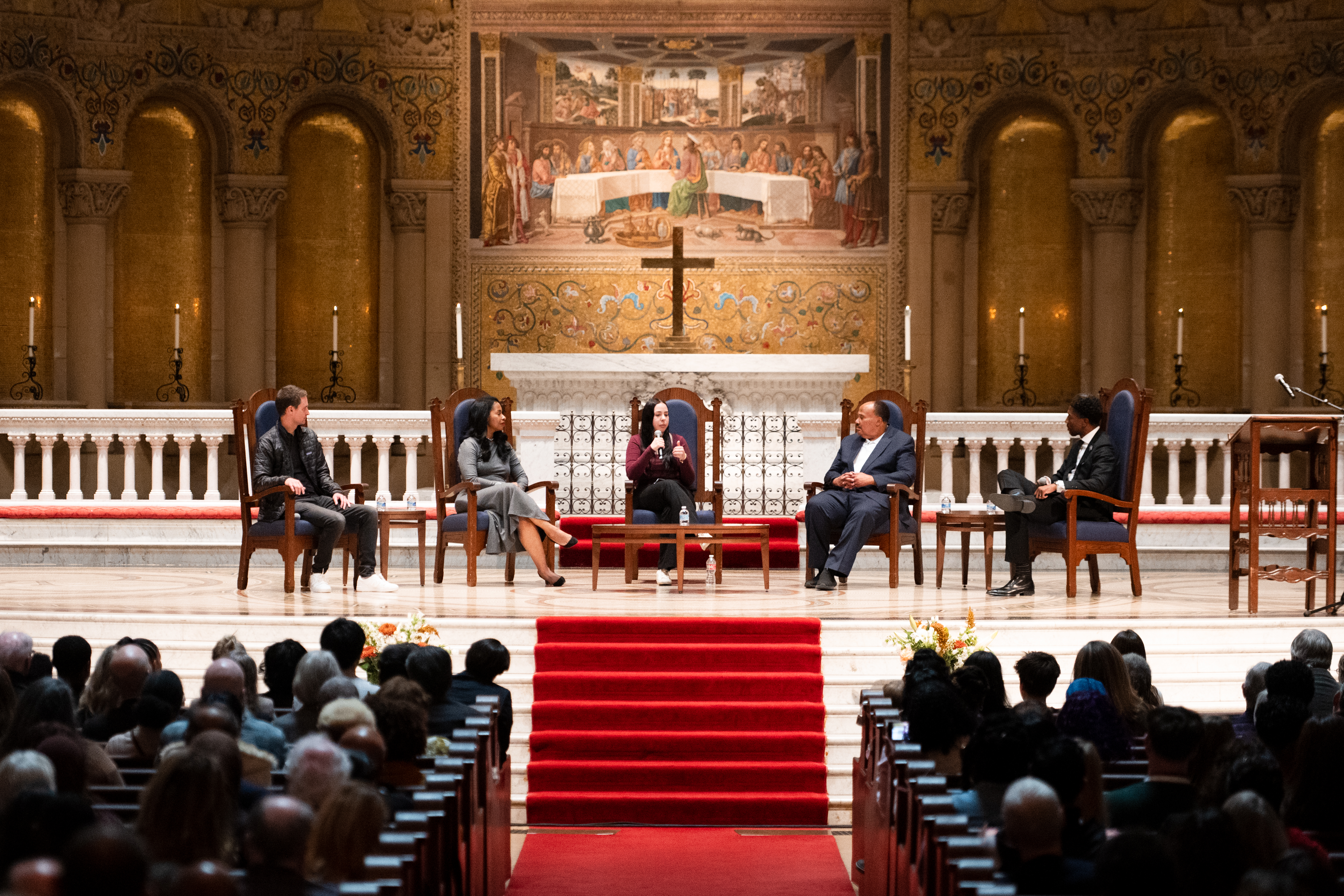
Stanford celebrated the grand opening of the Martin Luther King, Jr. Research and Education Institute on Monday in Main Quad, unveiling a new center dedicated to preserving and advancing the civil rights leader’s legacy.
The Institute, located in Building 370 in the Main Quad, is intended as both a scholarly and experiential space for research, reflection, education and community engagement.
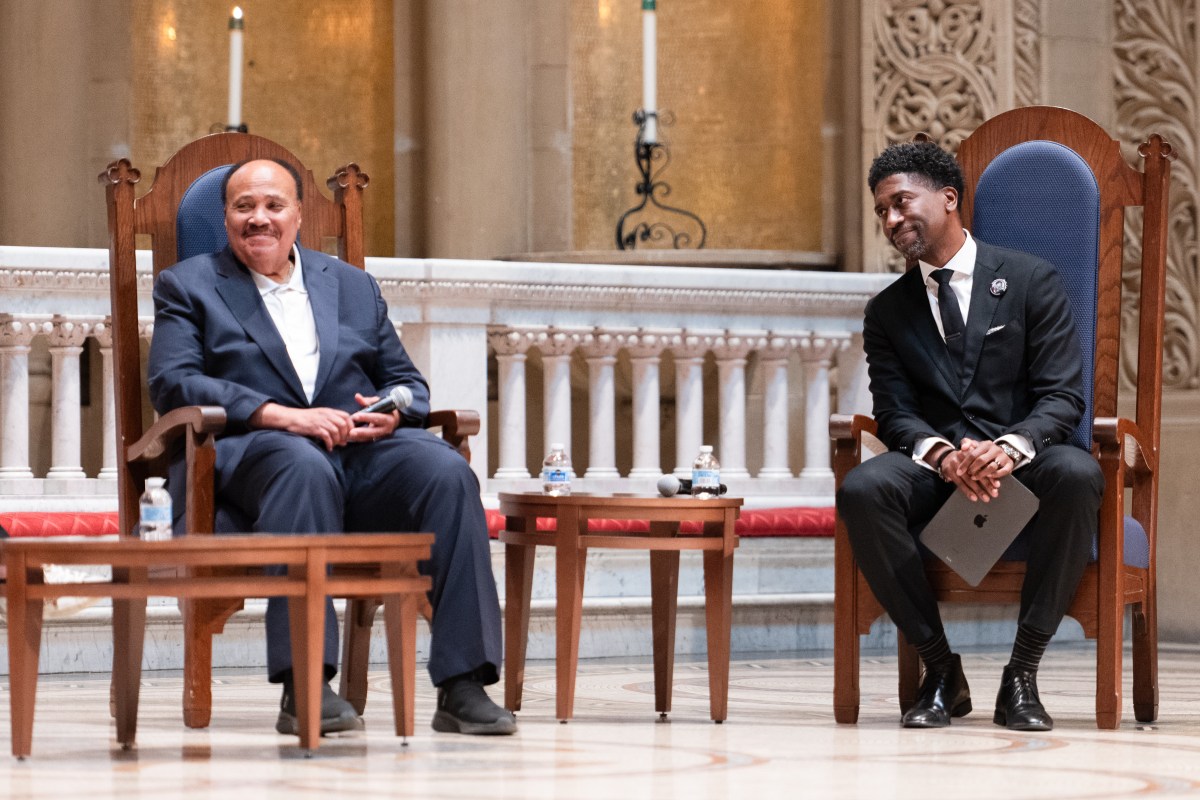
The beginning of the event, held in Memorial Church, featured a panel discussion with Institute director Lerone A. Martin, alongside Martin Luther King III, Arndrea Waters King, president of the Drum Major Institute, Marina Limon ’25 and Evan Spiegel, Snapchat co-founder and Institute donor. Together, the panelists reflected on King’s enduring influence, the new institute’s educational mission and the ways in which space, history and activism intersect at Stanford and beyond.
The celebration drew a large campus turnout, filling the new space beyond capacity — a testament, Martin said, to how deeply King’s message of justice and humanity continues to resonate nearly six decades later.
For King’s family, the opening marked both a culmination and a new beginning. “Movements are what will happen to transform our world,” King said. “Dad and his team moved our nation forward, and it’s up to young people now to carry that further.”
The Institute’s physical design pays homage to King’s life and the people who shaped it. The carpet and flooring in its kitchen and bathrooms were modeled after Ebenezer Baptist Church in Atlanta, where King once preached. The institute also features a dedicated room honoring the women who sustained the civil rights movement — including Coretta Scott King, remembered during the panel not only as King’s partner, but as a leader in her own right.
“Coretta Scott King was not just ‘the wife,’” Waters King said. “She was his match… an advocate, organizer and an inspiration for Dr. King himself.”
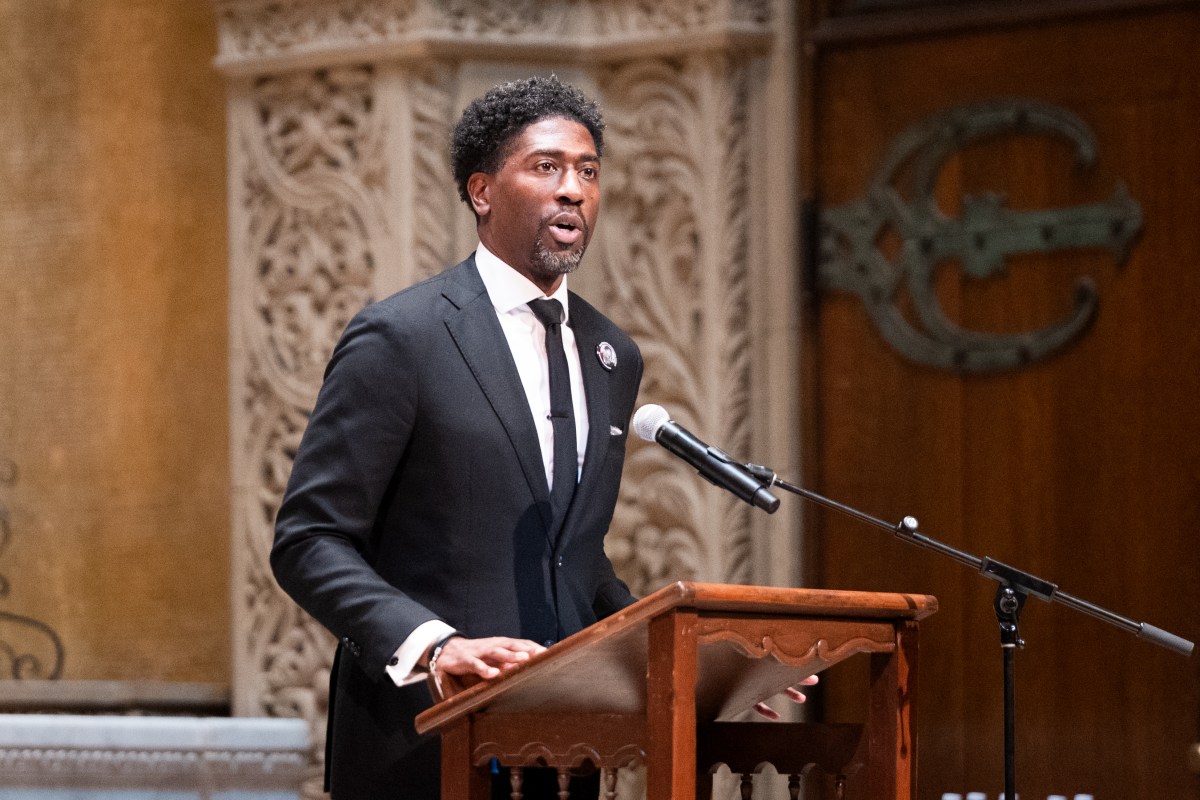
King called the new institute “absolutely amazing and incredible,” expressing gratitude to Clayborne Carson, the founding director of the King Papers Project. “The institute broadens what the Papers Project began — it institutionalizes my dad as not just a minister or an advocate, but a scholar,” King said.
A central goal of the institute is to digitize the King Papers, which span decades of his father’s sermons, correspondence and speeches. Making these documents accessible worldwide, Martin said, will allow everyone to have a conversation with Dr. King.
“That’s critically important right now,” King added in a conversation with The Daily after the panel, “in a time when history itself is being challenged, removed or rewritten.”
In addition to research, the institute aims to extend its outreach beyond the Stanford community by continuing to offer courses and resources to Title I schools, which are schools that receive federal funding for programs aimed at supporting students from low-income families. Martin noted that the goal is to make King’s message of justice, equality and service accessible to students who might not otherwise encounter it in the classroom.
Student and alumni reflections echoed that theme. Limon said working on the King Papers Project as a research assistant “completely transformed” her understanding of history.
“There are so many lessons to learn from his career and the civil rights movement, it taught me how advocacy really happens,” Limon said.
The event concluded with Stanford president Jonathan Levin ’94, who delivered a short address recognizing Martin and the institute’s role in connecting scholarship, activism and moral leadership. Levin thanked the King family and spoke about the University’s commitment to supporting scholarship that inspires action.
“Our mission is the preservation, dissemination and application of knowledge, and the King Institute does all of those things in a very powerful way,” Levin said.
Correction: This article has been updated to reflect the correct new location of The Martin Luther King, Jr. Research and Education Institute. A previous version of this article incorrectly stated that it was located in Cypress Hall. The Daily regrets this error.