
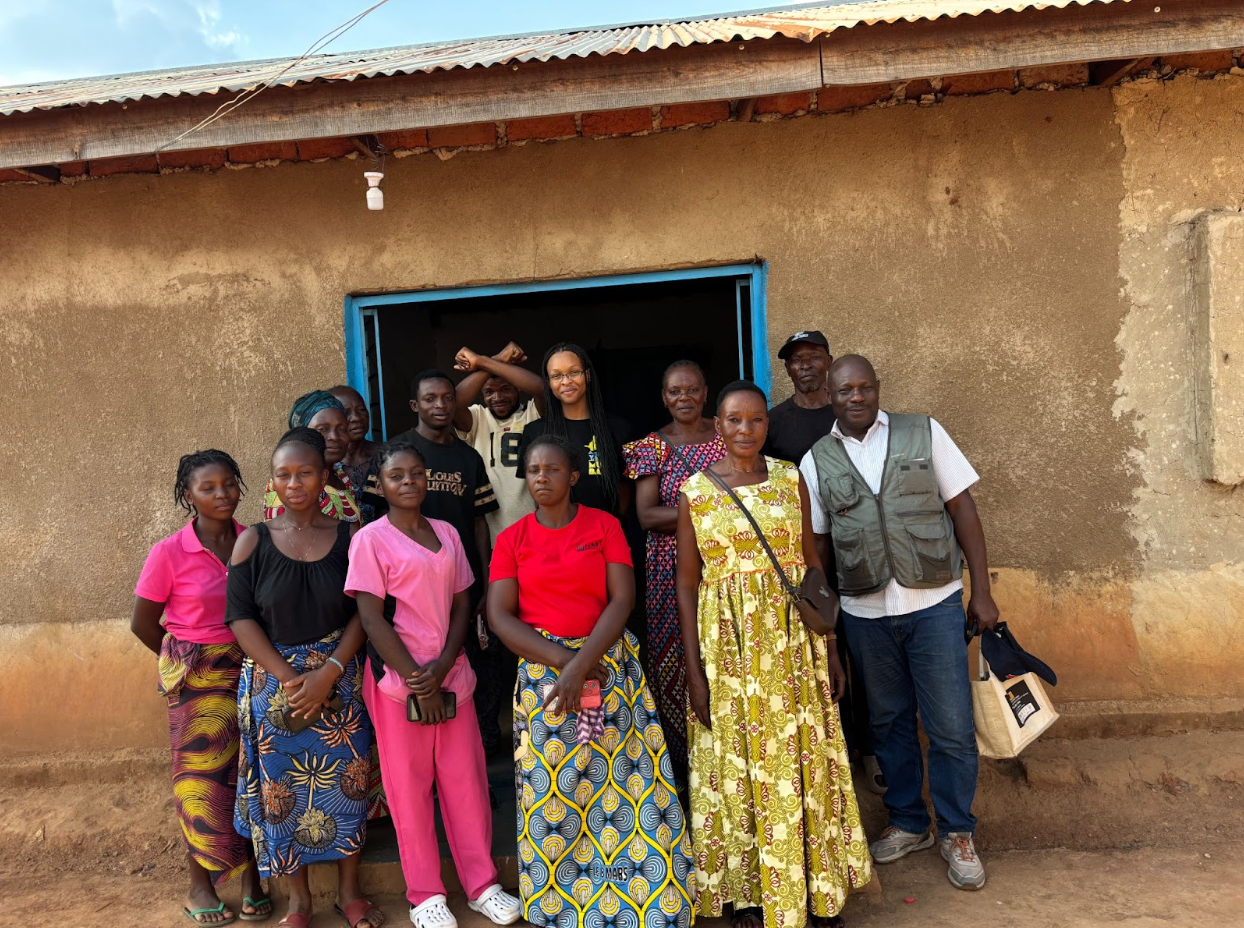
Congo Week x Stanford, as part of a global movement launched in 2008, fostered discourse between Congolese experts and Stanford scholars and community members from Oct. 21 to Nov. 7.
Friends of the Congo, a nonprofit organization based in Washington D.C. that helped facilitate Stanford’s first Congo Week last year, worked alongside various student organizations to bring the event’s second iteration to life. Now in its 18th year, international Congo Week features activities that commemorate and uplift the human and natural potential that exists within the Democratic Republic of the Congo (DRC).
Several on-campus organizations collaborated to promote this year’s Congo Week. On Oct. 21, On Call Cafe kicked off Congo Week by collaborating with Stanford Tech for Liberation to host a discussion where attendees conversed about sociopolitical issues within the DRC.
With help from the Associated Students for Stanford University (ASSU) and the Institute for Diversity in the Arts (IDA), Congo Week X Stanford 2025 saw higher engagement and turnout compared to its inaugural year.
On Oct. 27, Otero, the public service dorm, hosted a dinner and a film screening of “Lwanzo” (Cobalt). The movie, which was produced by Congolese filmmaker Petna Ndaliko Katondolo, has been screened globally in conjunction with international Congo Week events.
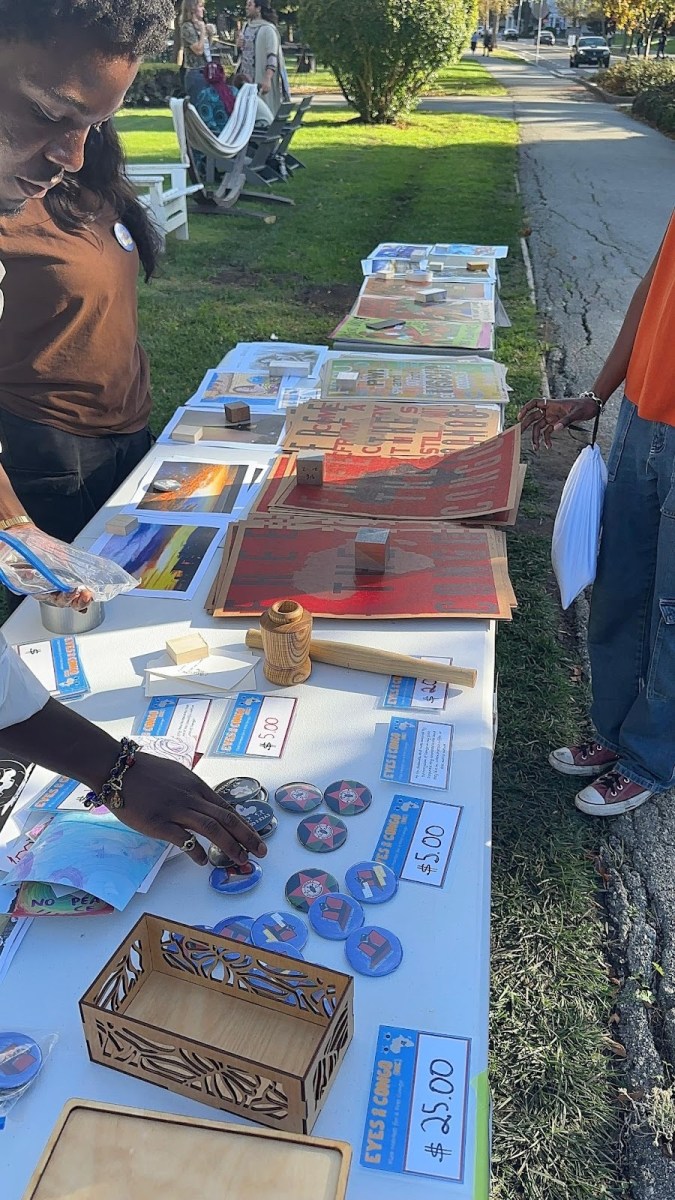
On Oct. 31, Queer Student Resources (QSR) hosted “Making Art for Change,” where attendees created Congolese-inspired artwork sold as part of a fundraiser at Columbae’s “Flea Market for a Free Congo” event on Nov. 7.
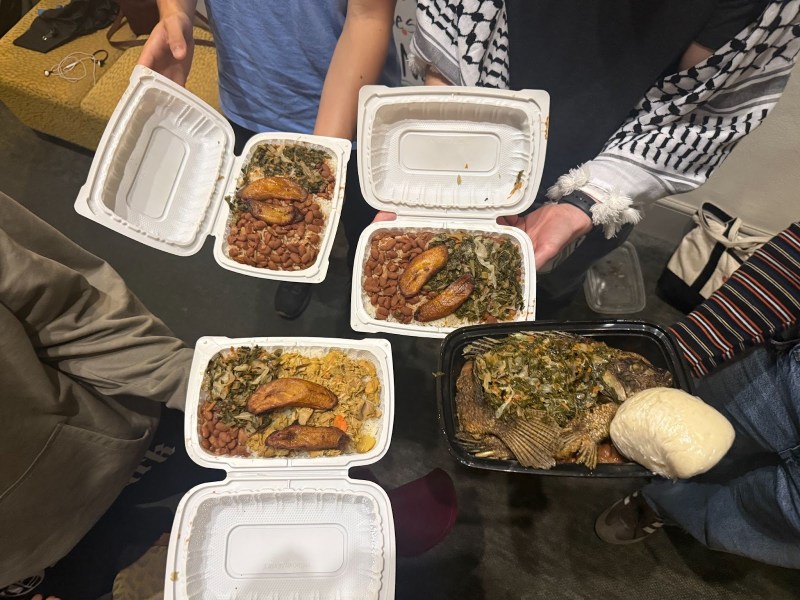
On Nov. 6, Ujamaa hosted “Shifting Frames: Technology & Mineral Exploitation in the Congo,” where attendees addressed the transnational complexities of mining practices within the DRC. Various traditional African dishes were catered for the event.
Alanna Moore ’27, a lead organizer of “Shifting Frames,” spoke about the importance of engaging students in dialogue about the intersectionality of technology and mining in Africa.
“This event was part of our larger approach this year… [It] was part of awareness about being entrenched in the oppressive and exploitative system that is technology and how we as students at Stanford are major beneficiaries of it, major agents in how technology is built, how it’s applied, [and] all of these things,” said Moore.
Events hosted in the latter half of Congo Week focused on discussions of the University’s role in promoting the mining practices of cobalt and copper, minerals used in the production of the batteries in most phones and electric vehicles, in the DRC.
The Daily has reached out to the University for comment.
At a brunch on Nov. 1 at Roble Hall Theater, Kambale Musavuli, one of the Congolese youth who first founded Congo Week in 2007, spoke virtually with attendees about starting contemporary youth movements and activism in Africa.
Last year’s Stanford X Congo Week organizer, Fatoumata Barrie ’24 M.A. ’25, recently returned from a visit to the DRC with Basandja Coalition, a group invited to speak at this year’s event. In partnership with Friends of the Congo, Basandja Coalition sponsors trips for Californians to visit the Congo River Basin.
“[The local DRC community members] really wanted me to go there and be able to see for myself and listen… Because so often, Africa’s always been seen and told what it can and what it can not be,” said Barrie.
Since its founding in 2007, Friends of the Congo has made national headlines. Last year, the organization protested the launch of the iPhone 16 around the world, organizing marches to raise awareness about Apple’s extractive mining practices in the DRC.
To conclude Congo Week x Stanford, organizers hosted a flea market to raise money for the Friends of the Congo’s fundraiser supporting the families of the 16 plaintiffs in the suit. The flea market raised approximately $2000 from sales of student-produced artwork.
Henry Ojeaburu ’24 M.S. ’26, the lead organizer for this year’s Congo Week, acknowledged the collective effort behind the event and the importance of continuing the work laid out by previous organizers.
Perhaps one of the most significant takeaways from Congo Week 2025 was the ability of student-led collaboration to foster a meaningful dialogue about Congo’s place in the world, Ojeaburu said.
“I think a lot of students here going into tech fields need to realize that none of this would be possible without minerals from the Congo… I learned about [mining practices in DRC] way too late, and I hope that students can leave feeling more educated,” said Moore.
A previous version of this article referred to the “Basenja Coalition” instead of “Basandja Coalition.” The Daily regrets this error.