
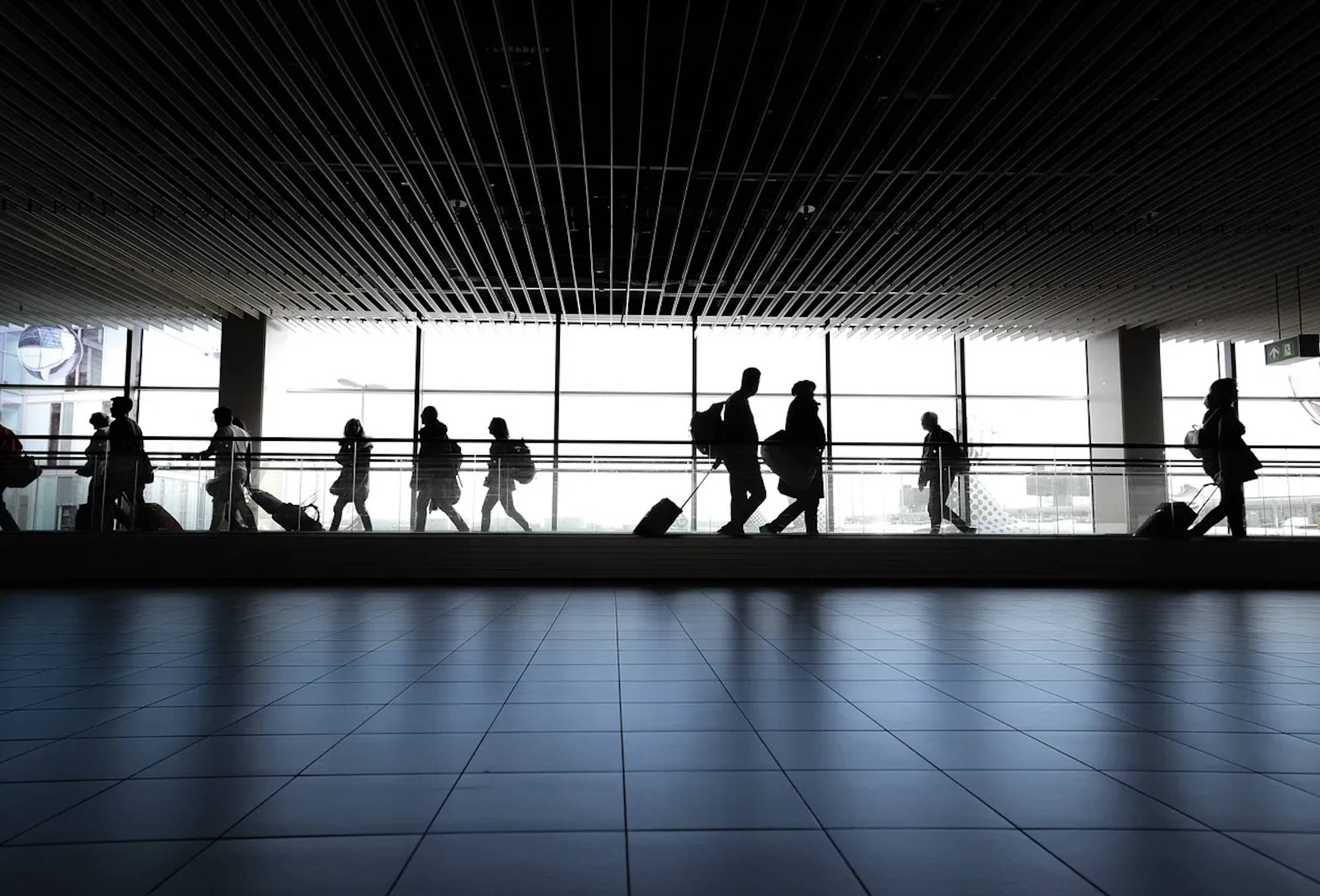
Students leave campus for Thanksgiving break starting on Saturday, Nov. 22. Many have booked flights home, as 62% of Stanford students are from outside of California. This year though, as they prepare for their departures, the federal shutdown looms. Lines, delays and cancellations at airports pose a threat for students’ ability to leave the Bay Area seamlessly and safely to reunite with their loved ones.
“I haven’t been home to London since the start of the quarter, so I’m really hoping my flight isn’t affected,” Sasha Erenburg ’29 said.
The current federal shutdown is the longest in the history of the United States. Airports across the country have been heavily impacted, as air traffic controllers have been working without pay for five weeks. On Thursday, the United States Department of Transportation announced that, by Nov. 14, 10% of flights in 40 major airports will be cancelled due to staffing shortages. From Friday to Sunday, 5,000 flights were canceled. Some of the largest airlines cut eight to 11 percent of their flights.
“I switched my flight to earlier in the day,” said Maci Zaniello ’29. “I am maybe delusional. I’m just flipping a coin and hoping that it goes well.”
San Francisco International Airport (SFO) has been suffering the common consequences of the unpaid air traffic staff, namely flight cancellations and delays. At SFO, United and SkyWest are the airlines that have experienced the most interruptions.
The airlines going to and from SFO must comply with the Federal Aviation Administration’s (FAA) shutdown regulations. As of now, the nationwide flight reduction order has cut 4% in air traffic. This will increase to 10% on Friday if the government shutdown is still in place.
“Besides a flight delay of an hour or two, I don’t think the shutdown will significantly interfere with my travel plans,” said Maxim Smelyansky ’29, a student traveling back home to New York.
While the Senate approved a funding package that could put the government shutdown to rest, airlines still expect residual travel troubles as the legislation heads to the House. And as more flights are canceled, the complexity of fixing multiple operational issues increases.
Transportation Secretary Sean Duffy and other air traffic experts predict that, as Thanksgiving — one of the busiest travel seasons in the year — approaches, impacts on flights will increase. Less common routes and emptier flights are more likely to be impacted by cancellations.
“I think it is troubling that the government continues to be in a stalemate and I think the longer no compromise is found we will increasingly feel the adverse effects in our daily lives,” said Kyle Sisitsky ’29.
Fortunately, SFO employs a private security company, Covenant Aviation Security, as opposed to the Transportation Security Administration (TSA). These security workers at SFO, unlike TSA workers across the country, have been working with pay through the shutdown. This has allowed security operations at the airport to proceed more normally than at other airports in this time. At students’ returning airports, though, this might not be the case.
“The shutdown has definitely made me nervous about delays and potentially encountering problems when trying to come back to the US,” Erenburg said.
Sisitsky feels the same, expecting issues “probably not on the way here but on the way back.”
The federal shutdown has guaranteed very little besides uncertainty during the upcoming holidays for students looking to fly back home.
“It just feels like everything is very precarious right now and it’s unsettling to realize how quickly politics can spill into people’s everyday lives,” Erenburg said.