
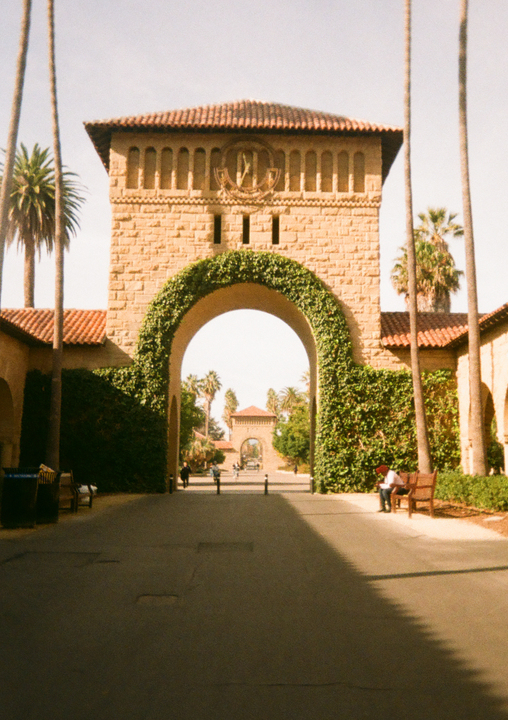
While specific details are still being formulated, Stanford is in the process of devising StanfordNext, its long-term plan to grow the Stanford campus. The University’s plan is anticipated to include more student and workforce housing, the gradual addition of academic and research space, transportation and infrastructure improvements and expanded community access to campus spaces and events.
“The University is finding pathways for how to increase the undergraduate class while preserving its educational quality and culture,” Whitney McNair, Stanford senior associate vice president and StanfordNext project executive, said.
In order to engage stakeholders, Stanford is focused on convening the StanfordNext Advisory Council (SNAC). SNAC is a multidisciplinary group made up of 22 community leaders — including Palo Alto Mayor Ed Lauing, Palo Alto Unified School District Trustee Alison Kamhi, policy director for Green Foothills Alice Kaufman, Silicon Valley@Home Executive Director Regina Celestin Williams and Alta Housing CEO Randy Tsuda — tasked with coordinating the early stages of the growth process in order to bring a broad range of local perspectives together to advise the StanfordNext plan.
“There’s a great deal of engagement happening externally to hear from our neighbors, to hear from county stakeholders, to hear from surrounding jurisdictions about what their concerns and what their hopes are for this process,” Jessica von Borck, executive director of land use planning, said.
Stanford is currently guided by the 2000 general use permit (GUP) regarding its use and development of the land, but is nearing the plan’s allocation limit of 2,035,000 net square feet for new academic space.
The University initially submitted an application to the County in 2016 but withdrew it in 2019 after protracted disagreements with the County surrounding development rules for campus growth.
Stanford plans to submit a new GUP application to Santa Clara County by mid-2026, following which, the County would begin an environmental review process and a public hearing process.
The new StanfordNext plan aims to focus on a better-defined vision and scope, strong alignment with local goals, and early and consistent stakeholder engagement.
“Our community engagement doesn’t stop when we submit the application. It really does continue throughout this process,” Joel Berman, director of land and local policy communications, said.
SNAC is organizing a series of open houses, the first ones to be held on Dec. 10 and 13 in Palo Alto, in order to start conversations, answer questions and obtain community feedback for the growth project.
Correction: A previous version of this article inaccurately stated the last general use permit (GUP) application was submitted in 2019. The Daily regrets this error.