
What does a typical summer experience look like for the average college student? For some, it may be working a job or internship. For others, it might include taking summer classes or resting before the next term.
However, this summer, a group of undergraduates sought an unconventional opportunity to connect with rural life in America through the inaugural People, Politics, and Places fellowship.
The fellowship, which seeks to tackle geopolitical polarization, allows students to engage with rural communities in America to “confront the growing separation between urban and rural America.” Students are able to conduct community engagement research projects.
Thomas Schnaubelt, the executive director of the Center for Revitalizing American Institutions, oversees the fellowship and emphasized that student engagement with rural life comes with different personal goals.
“For some, this might mean an initial exposure,” Schnaubelt said. “For others, it means deepening their understanding of the assets and challenges of rural life through research or community engagement.”
This summer, Cara Sowa ’28 completed an internship at the Inian Islands campus in the Alaskan wilderness through the fellowship. Sowa, whose participation in the program stemmed from her interest in politics and sustainability, enjoyed the variety of daily activities offered during the fellowship.
“We had, every other week, 10 climate fellows or climate activists from around the world,” Sowa said. “Sometimes it was a school group, and they would come in on a float plane to the island. And then they would stay for the week. So, during the week that we had the fellows, I was running a lot of homesteading exercises.”
Sowa emphasized the number of hands-on activities that were done in addition to the homesteading exercises necessary for sustaining a self-sufficient lifestyle.
“I would also be doing some construction projects during that week,” Sowa said. “I was still cooking and dealing with a lot of the local species and produce that we had on the island, and gardening.”
There was also time for community bonding. Sowa spent most of her time outside of work with her homestead family.
“They’re… 10 to 15 years older than me, and I would also spend a lot of time with their 5-year-old daughter and 2-year-old son,” Sowa said. “It was kind of like this unconventional, professional and character-building experience.”
Jeannette Wang ’26, who studies political science and completed the fellowship at Thoreaeu College in Viroqua, Wisconsin, discovered the opportunity through her role as 2024 Democracy Day chair.
“Trying to have conversations with people that are different than you really elevates multiple perspectives,” Wang said.
One moment that stood out to Wang during her fellowship was the first time she saw someone herding sheep.
“I think what stood out to me was not the action of it but more of how frequently it had to be done,” Wang said. “You have to move it like every week or two, because the sheep eats all the grass. I think for people not from rural areas, that’s a more labor intensive process.”
Like Wang, the fellowship had a profound impact on Sowa because it taught her the importance of spending time in communities that offer different perspectives.
“The biggest thing that it changed for me was it showed the impact of connection to land,” Sowa said. I mean, I was living with eight people for the whole two months. There were only eight of us on the island, and if we wanted to get groceries, it was going to take like two weeks to a month on a float plane… So, the majority of the time, it was really just relying and trusting on the land.”
Schnaubelt hopes to improve upon the fellowship program this summer, particularly by diversifying the demographics of the cohort.
“Our first cohort was comprised of exclusively students from urban and suburban areas,” Schnaubelt wrote. “We think the cohort model will be enhanced if it also includes perspectives of students who grew up in rural places.”
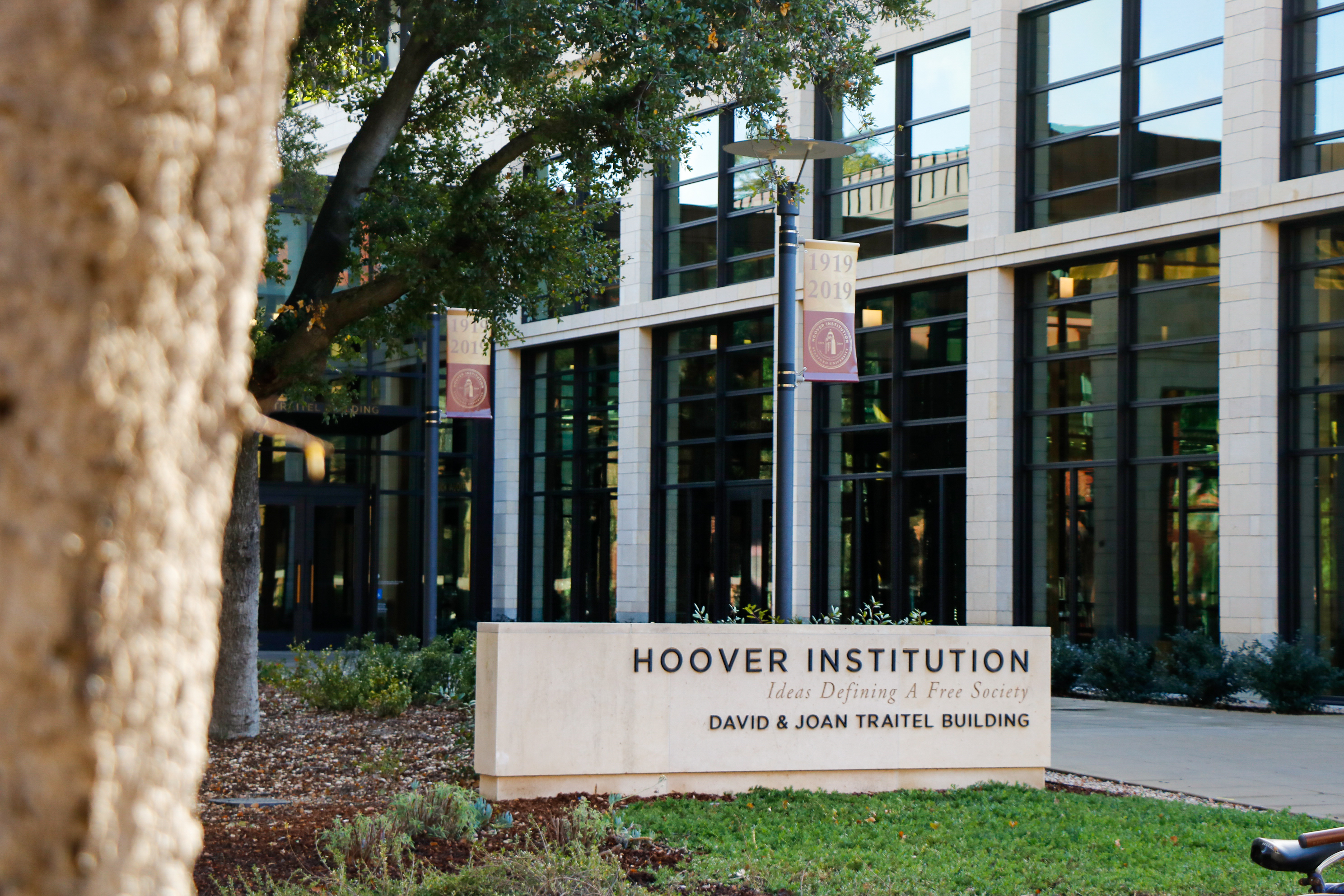
The Hoover Institute will host an info session on Dec. 3 about the fellowship.
A previous version of this article misidentified the location Jeannette Wang ’26 completed this fellowship. The Daily regrets this error.