
Stanford received a letter grade of ‘B’ in the Anti-Defamation League’s (ADL) 2026 Campus Antisemitism Report Card, released Tuesday. The grade is an improvement on the ‘C’ the University received last year.
The annual report evaluated universities based on administrative policies, Jewish life on campus and campus conduct. Nationally, 58% of the 150 colleges and universities that were assessed received A or B grades in 2026, an increase from 41% in 2025 and 23.5% in 2024.
“Since ADL released its first Campus Antisemitism Report Card in April 2024, we have witnessed encouraging progress at universities in their efforts to combat antisemitism and improve campus climate for Jewish students,” Regional Director Marc Levine said in a statement. Levine said that institutions have strengthened policies, established advisory councils, expanded antisemitism education and improved bias reporting systems.
The improvements reflect universities taking clearer steps to address antisemitism, according to the ADL’s communications director Sarah Martin. “Half of the assessed institutions earned higher grades this year as clearer standards and enforcement take hold,” Martin wrote to The Daily, though she added that survey data still show persistent antisemitic attitudes among students.
Although Stanford’s institutional response to antisemitism has improved in recent years, challenges remain, said University Rabbi Jessica Kirschner.
“I appreciate that the Stanford administration is working hard to ensure that everyone here is safe and thriving, including Stanford’s Jews and Israelis,” Kirschner wrote to The Daily. She added that incidents still occur — citing a cyberharassment campaign reported by The Daily last week — but the University’s response “is now typically faster and stronger than it was a few years ago,” she said.
According to Kirschner, rising antisemitism globally continues to affect campus environments. “As antisemitism is rising sharply in the world, people bring their biases and blind spots to campus,” she wrote. While administrators have become more vigilant, “there is still a lot that groups and individuals can do to improve the campus climate,” she said.
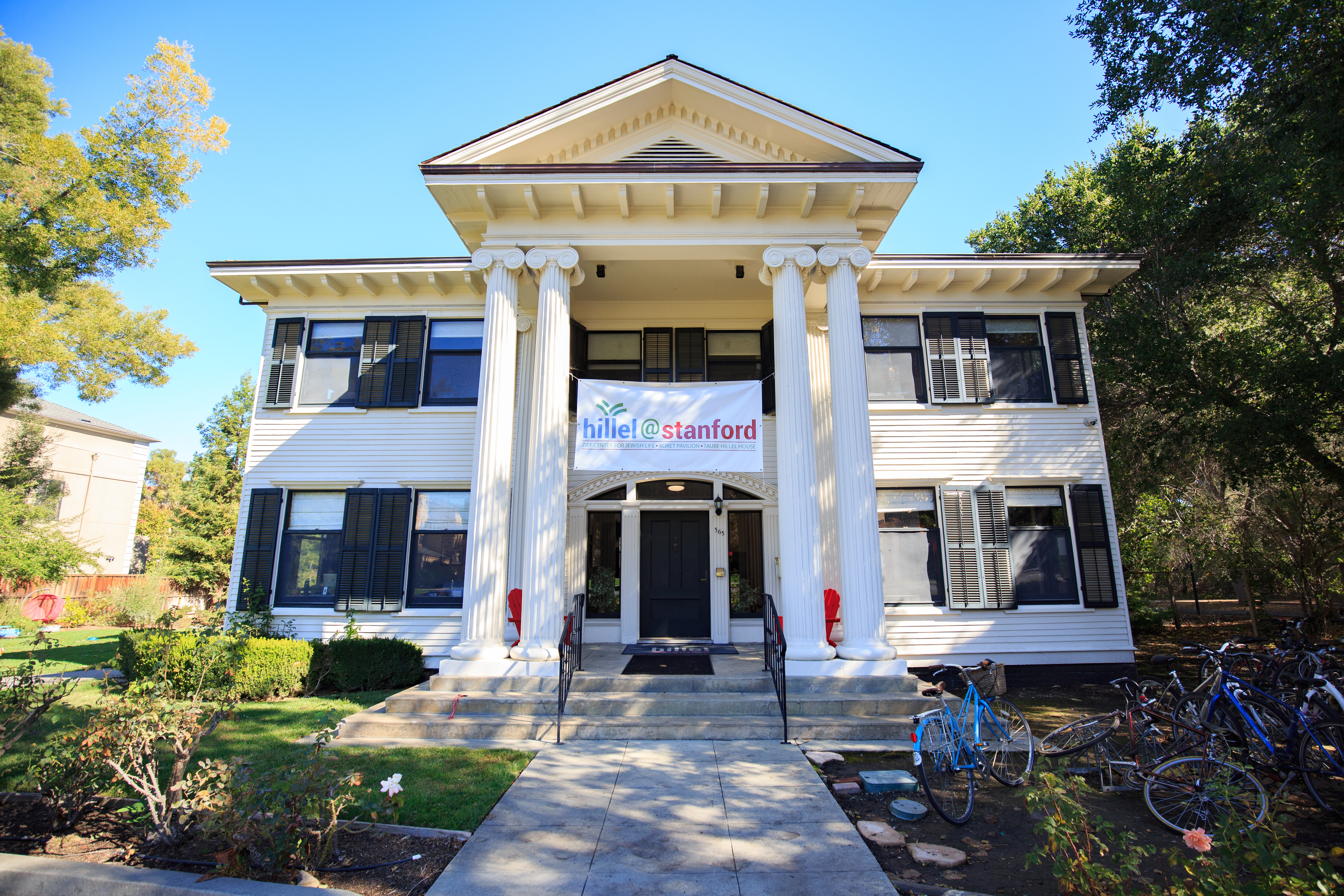
Kirschner pointed to the 2024 report from Stanford’s Subcommittee on Antisemitism and Anti-Israeli Bias as a resource for addressing the issue. She also emphasized the role of community-building through Hillel at Stanford, which provides a space for Jewish students to connect and explore Jewish traditions and identity.
Several universities in the Central Pacific region also saw improved grades. University of California, Berkeley rose from a C to a B, while San Francisco State University and University of California, Santa Cruz both improved from a D to a C grade. University of California, Davis maintained a C grade.
Alongside the report card, the ADL released a companion survey, “Campus Crossroads: Non-Jewish Student Perceptions of Jews and Israel,” which found that 48.3% of non-Jewish students reported witnessing or experiencing anti-Jewish behavior in the past year. 47.6% endorsed at least one anti-Jewish attitude.
According to the ADL, the findings suggest that while universities have strengthened policies and enforcement, those changes have not fully translated to students’ day-to-day experiences.