
Editor’s Note: This article is a review and includes subjective thoughts, opinions and critiques.
I am still taking in my four-day experience of being surrounded by hundreds of other college and university dance students and faculty at the American College Dance Association Conference from Feb. 4 to Feb. 7.
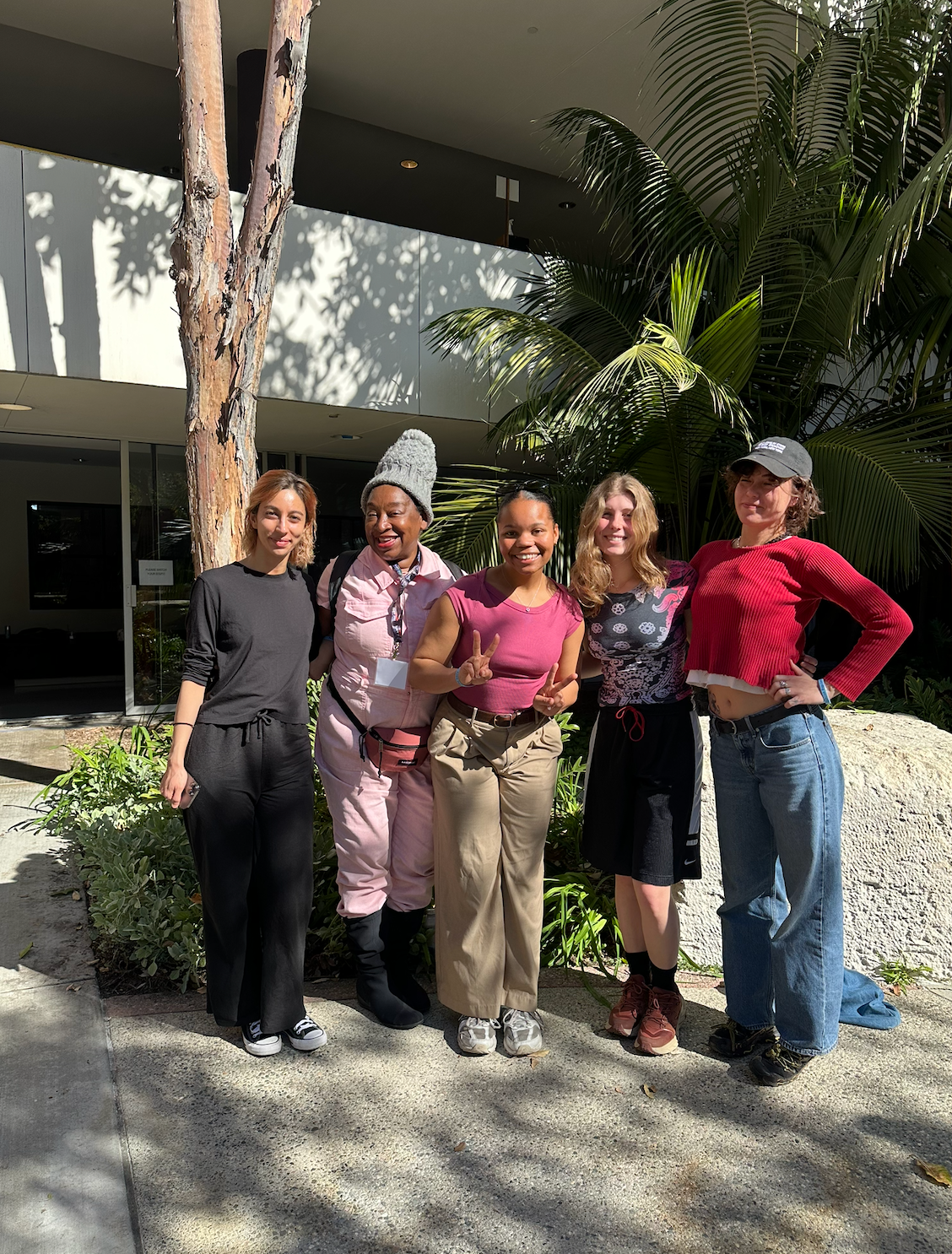
On Feb. 4, Denise Robinson ’27, a junior dance minor peer advisor and organizer of our trip, called me at 4:30 a.m. to make sure I was awake and ready to head to SFO with Theater and Performance Studies (TAPS) senior lecturer Aleta Hayes and three other dancers from the Stanford Dance Commune, a VSO that helps students pursue dance professionally.
It was refreshing to arrive at California State University, Long Beach, and to be welcomed by dozens of other schools who were happy to see Stanford return to the ACDA.
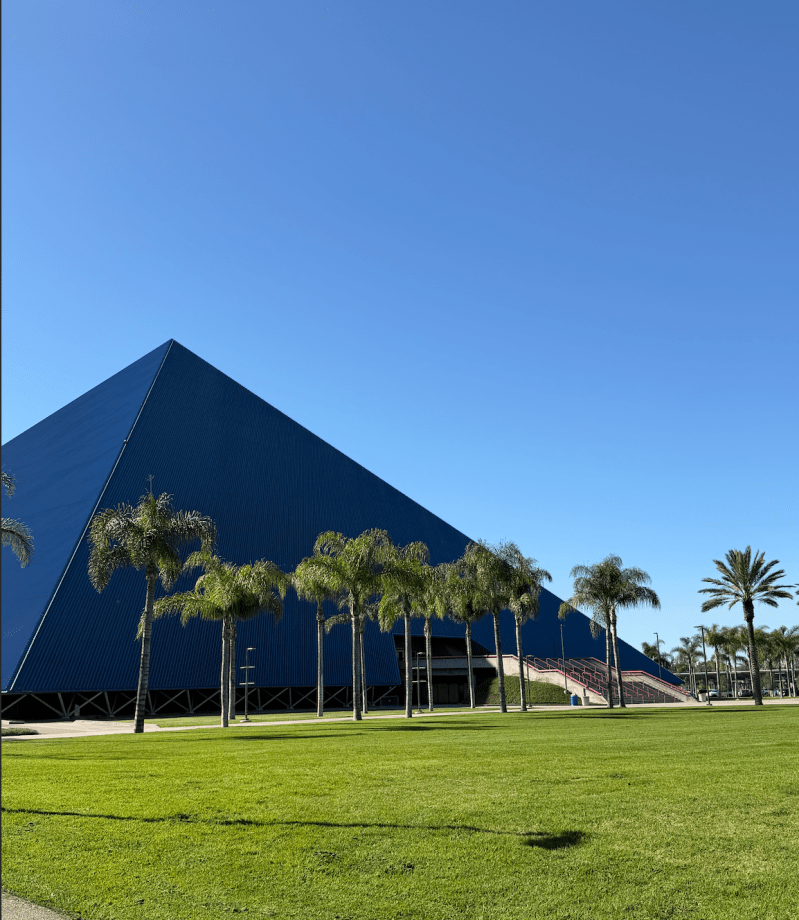
Attending ACDA for the first time exposed me to the range of choreography other students across the country are creating, which was truly inspiring. I got to attend four adjudication concerts that each had 15 performances, culminating in a gala experience.
Every performance I saw and every conversation I heard came from a place of deep care for each other and the many struggles our communities are facing. Seeing how people showed up and supported each other throughout the conference created a ripple effect of meaningful conversations about the importance of preserving and promoting dance programs across the country.
In “When They Come For Us,” students from Rio Hondo College danced to a poem that was suddenly interrupted by the knocking sound of ICE agents at their door, while they continued to create formations, ending with yelling “We will not be quiet” in unison.
Another piece titled “The Take,” by students from Modesto Junior College, had a spotlight in the center, where dancers were continuously thrown across the stage into each other’s arms with striking partnering techniques. “Boots, Bluegrass & Blues” from Loyola Marymount University had girls dancing around cowboy boots, blending Beyoncé’s polarizing country music with the power of dance. The range and relevance of the works were moving.
The audience immediately gave a standing ovation for Andy Vaca, ACDA Regional Director, while he was presented with an award for his contributions to the conference. He began to tear up as he described his first time performing on an ACDA stage as an undergraduate to the current honor he feels in representing its legacy. I realized I was at much more than a dance conference — I was now a part of a very impactful community.
Some conversations I overheard were about how dance helps us fearlessly figure out the crazy world we are living in. Dance is open to everyone and everything through compassion and collaboration. Dancers research and teach with embodied empathy, something we need more of in academia. During meals, everyone was still freestyling together, cheering each other on. There were spontaneous flash mobs and cyphers all around us that made it feel like a constant celebration of dance and community.
Not only did we witness new works, but we also got to participate in daily workshops. For example, I attended a lecture on how dance meets entrepreneurship, designed by Nicole Predki, the co-director of the dance program at Metropolitan State University of Denver, highlighting the incredible transferability of dance skills.
Practicing the Bartenieff Fundamentals, a part of the Laban System of Movement Analysis, consisted of an introduction to the science behind child movement development, and helped me re-pattern my neuromuscular connections through improvisation. I also took a workshop on the Cunningham technique from our own Gary Champi ’12, and indulged in countless stories from Diane Frank, former faculty member of the Dance Division, who shared that “every conference is a revelation.”
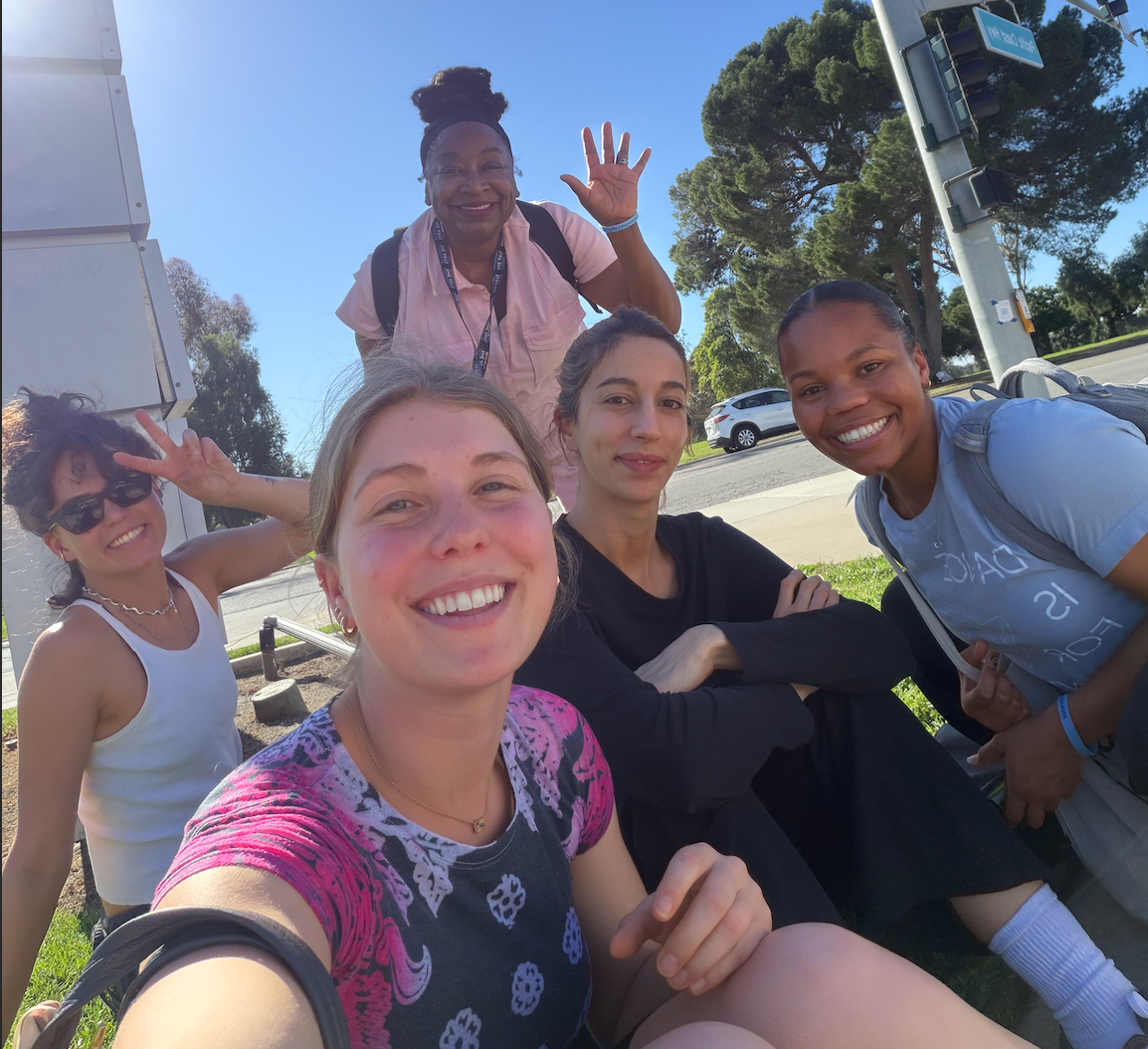
It was wonderful getting to truly bond with my own peers and professors over the course of the weekend.
As ACDA describes, dance truly is a “home” where “students, faculty, and artists come together to celebrate, share, and deepen their commitment to the art of dance.” After attending the conference, my artistry, desire for experimentation, knowledge of dance techniques and history grew immensely.
I found a sense of connection that inspired change within me and left a spark of creativity that is even brighter now that I have returned to campus. I had not realized the true history and importance of gathering these young voices from across the nation and world. I hope to see us continue to proudly represent Stanford at ACDA for many years to come, with even more students and department support. I am still moving with gratitude.