
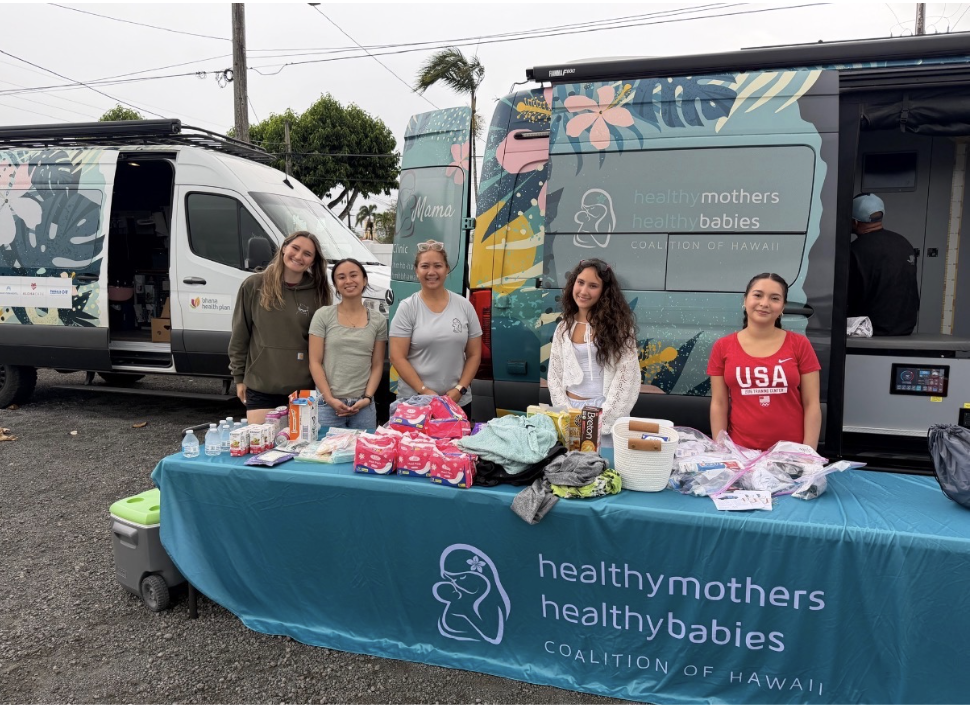
For many students, spring break brings to mind a sunny vacation on a Miami beach. But for those who participate in Alternative Spring Break (ASB), this vision could not be any further from the truth. Instead, students spend their spring break volunteering in states across the U.S. and learning about local issues ranging from healthcare access to natural disaster resilience.
Next year, ASB will receive a 30% reduction in their annual budget, according to Jason Cui ’26, the program’s co-financial officer. Cui claimed the budget cuts to clubs are “across the board,” and were announced during the appropriations process and budget submittals. Funds for ASB primarily come from ASSU annual grants, with some additional financial support from the Stanford Fund.
“We cannot completely cover the trip transportation costs anymore due to these cuts,” Cui wrote to The Daily. “This will significantly affect who will choose to apply to our trips and skew the distribution towards students who can afford to pay.”
In past years, ASB has been free to all students regardless of financial status. All ASB trips are planned and coordinated by students, with each trip accommodating about 10 participants. Trips involve traveling to places like Miami, Alaska and Hawaii. ASB was established by the Haas Center in the late 1980s, according to the Stanford Report.
Edward Chen ’28 was a co-lead for the ASB trip to Miami this past spring break. Last year, he was part of an ASB trip to New Orleans. Chen said he enjoys ASB because it allows students to engage with non-profit organizations and do service-based work. In New Orleans, ASB participants planted trees, picked up trash and volunteered at food banks. They also learned about the effects of the 2005 category 5 Hurricane Katrina.
“It builds empathy,” said Chen. “A place like Stanford is a very privileged place to be. You’re removed from the actual impact of your actions. You don’t think the heat waves or hurricanes will cause countries around the world to be affected… [but] empathy is what ASB provides.”
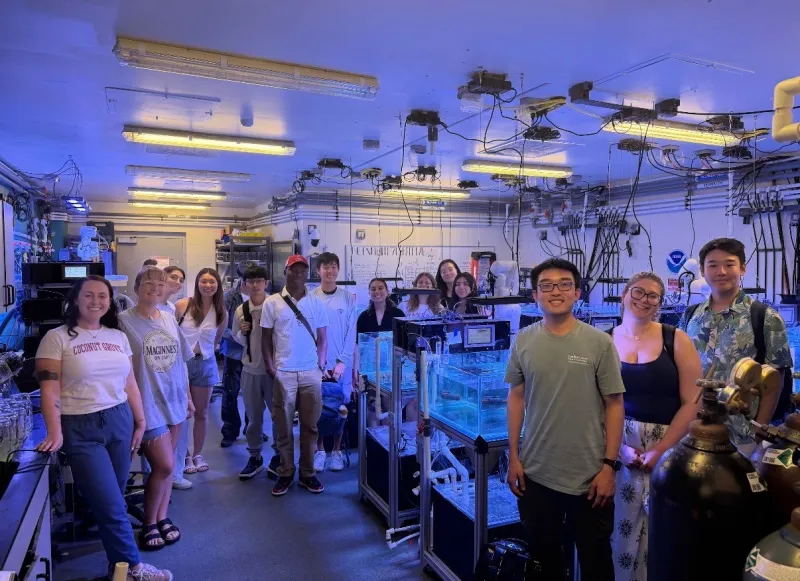
Chen also appreciates the diverse perspectives of the students who take part in ASB. In New Orleans, Chen worked with students from Ghana, the Philippines, Brazil and Japan.
“[One student] experienced the 2011 tsunami in Japan. Ghana has a ton of natural disasters. Brazil has a rainforest crisis,” Chen said. “In ASB, you learn from local communities, but you also learn a lot from other participants and your teammates.”
Rachel Tao ’27 said the main misconception about ASB programs is that they are seen as vacations, especially the trip to Hilo, Hawaii — a popular vacation destination. Tao, who is from Hilo, planned the ASB trip as a co-lead.
“When most people think of Hawaii, they think of all the beaches, lots of hotels and the snazzy kind of tourist situation,” said Tao.
Both Tao and Chen said that ASB aims to find applicants who truly care about the service and volunteering, and are not just seeking vacations. Chen said the trip to Hawaii received over 100 applications for just 10 available slots.
“We want to make sure that people are very invested in learning about the community and serving that community, not just to go have fun,” said Tao. “We want to screen out folks who only just want to do it for more superficial reasons, because that’s not the end goal of ASB.”
The surfer and tourist paradise many envision was not what Tao hoped the trip to Hilo would represent. Tao explained the difficulties of healthcare access in Hilo, which only has one major hospital. Hilo residents with serious health conditions must fly to the U.S. mainland for treatment. Marginalized communities face disproportionate rates and chronic burdens in healthcare. In Hilo, participants volunteered at health clinics and learned about environmental stewardship.
Jeanine Longboy ’28, another Hawaii resident, applied to be a co-lead for the Hawaii trip next year. She participated in ASB trips to Alaska and Hawaii in the past. According to Longboy, the 30% budget cut would mean “cutting the [Hawaii] trip short by two or three days.”
“It’s going to be such a packed schedule,” Longboy said. “For a trip as ambitious as ours… [In four days], we won’t be able to touch on every single aspect of what we want people to take away from the trip, which is health equity, cultural identity and physician shortages.”
Cui wrote that he tried to negotiate with ASSU for a more fair budget, but “ASSU thought otherwise” and “were not willing to change their minds.”
The Daily has reached out to ASSU for comment.
Tao wants to continue to inspire future generations of Stanford students outside of the classroom.
“ASB is a very student-centered and community-focused program,” said Tao. “It’s a very unique opportunity to be able to go out of the classroom and really see what these issues are in real life in that community: to go and experience it and to be able to take an active hand in trying to help those issues.”
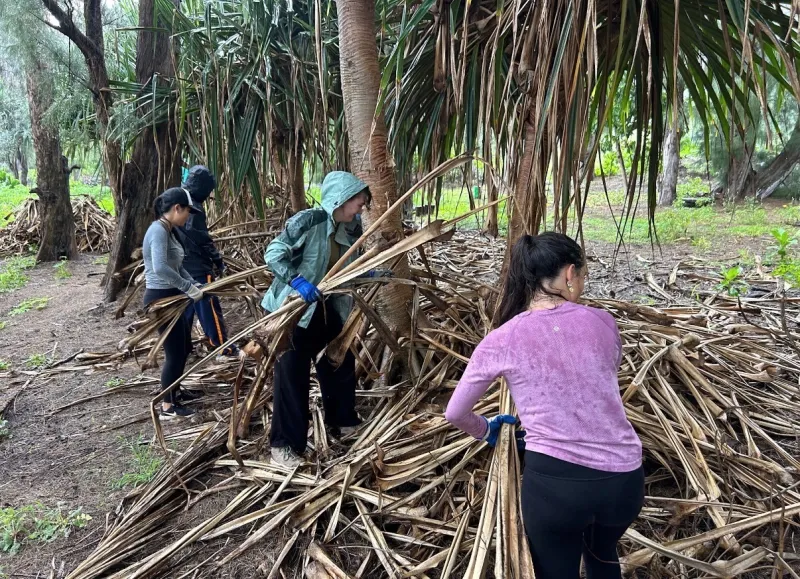
ASB’s impacts persist past the weeklong spring break. After graduating and attending medical school, Tao and Longboy would like to return to Hawaii and improve healthcare access for the communities they grew up in.
“Applying for these trips emphasized my desire to come back to Hawaii and work as a doctor,” Longboy said. “I think that’s the answer I was looking for, and both of these ASB trips have given me that answer.”
Tao, Longboy and Chen all described ASB as “fulfilling.” Chen said that ASB provides the spiritual fulfillment people look for in a vacation, and a lot more.
“When you just go to a random country, you’re seeing the sites, but you’re still a consumer,” Chen said. “But [at ASB], you’re a giver. You’re a server. You provide that service based work and activity, and I think that fills a soul a lot more as well.”