
I walked to On Call Cafe with a friend. The night was frigid, but we were warm in our coats. We were here for “Why We Look At Art,” a conversation with art history professor Alexander Nemerov and film senior lecturer Adam Tobin on why art should matter to Stanford students. After a brief introduction, they opened the floor to questions. I leaned forward.
Each question was different, but the response inevitably came back to the same core. They talked of turning inward, of being alive to the world, of seeking yourself. I felt like I had entered a portal, where people spoke a different language: the language one uses to circle around the unnameable, tracing its shape. Such is the language of art and spirituality, for the truths it points to cannot be casually picked up and analyzed but rather are the center about which our lives revolve.
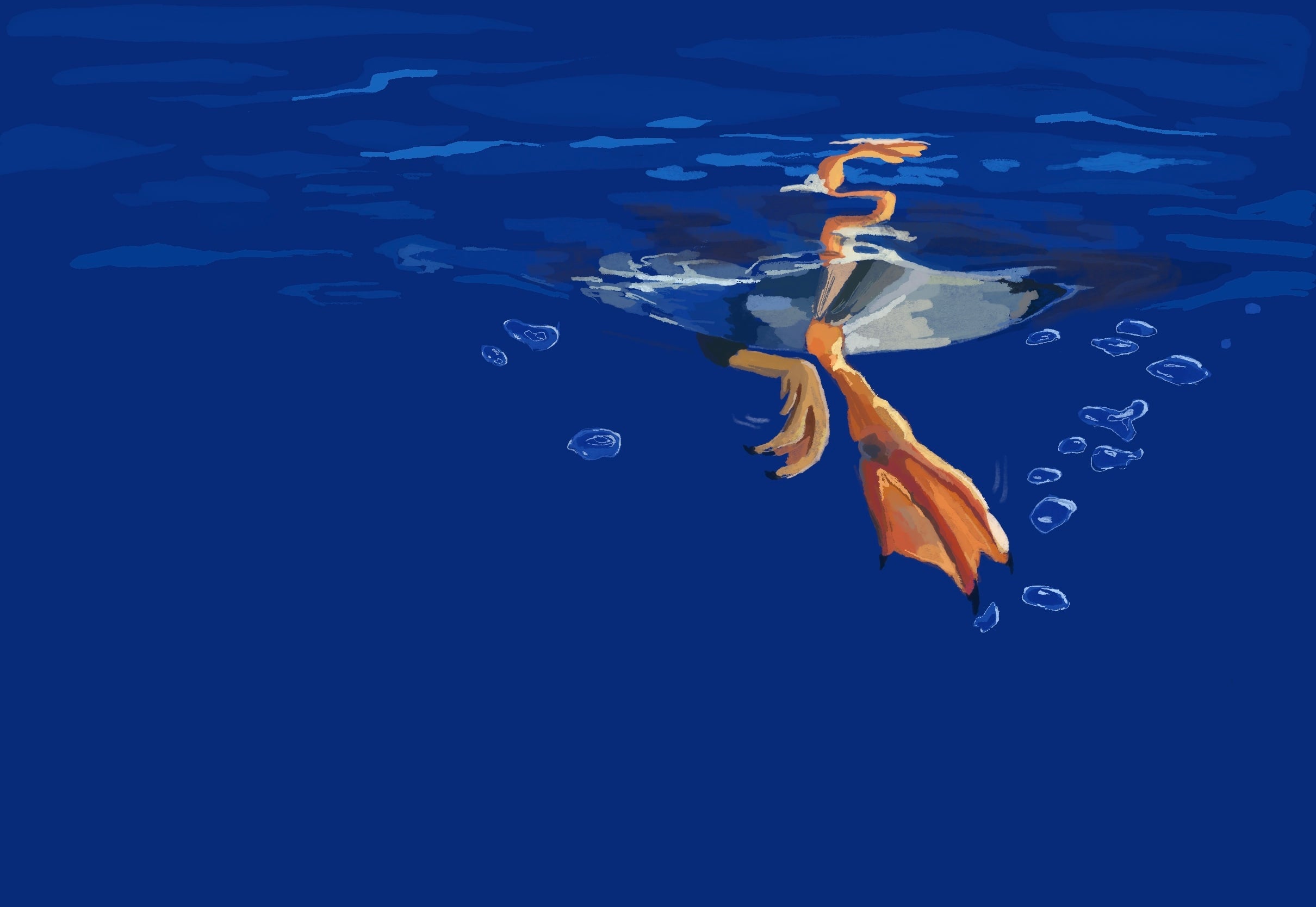
It has been a while since I entered this portal. I used to slip in and out, reading, thinking and paying attention. But freshman year hit like a tumbling river, and life became a struggle to stay afloat. In the brief moments where I can take a breath, I chance upon my past musings, and am struck with a warping sensation, as if gazing down a long tunnel towards a fair and distant land. It feels strange to recall a time when I had the leisure to think about life, to ponder how to live rightly or to enjoy art. I cannot imagine indulging in such luxury now.
Stanford students chronically do too much. We take over 20 units, participate in music or dance or theater, join pre-professional organizations, conduct research and work at internships or jobs. Our culture is one of rampant overconsumption: the overconsumption of activities.
Just like any kind of consumerism, there is an underlying structure of “never enough.” If we have a free block in our schedule, we will fill it. We load up on obligations until we become sleep-deprived and stressed out of our minds. Even then, we always doubt: Am I doing enough?
Sustained over weeks, this causes burnout. But there is a subtle risk I fear even more: that I will lose the capacity to think.
The overconsumption of activities means the overconsumption of time, which means the overconsumption of mental space. Contemplation arises naturally in times of ease. In times of hardship, there is no space for it. Conversations begin to revolve endlessly around p-sets and midterms. My maximum capacity for thought becomes listing the assignments due tomorrow. When I have time to rest, I simply stare blankly, my mind empty: not because I am at peace, but because I am drained.
What do we lose when we lose the capacity for contemplation?
Many writers have pointed out that most of our lives are lived unconsciously. David Foster Wallace called it “the water”; Virginia Woolf, “the cotton wool”; Nick Bostrom, “the soot.” It is the day in and day out motions of life we go through without being aware of ourselves or the world. Losing the capacity to contemplate, then, is losing the few lucid moments where we step out of the wool. It is losing our consciousness.
It is concerning that the last time I had reflective thoughts about life with some regularity was in high school. What does this mean for the future? I do not want to become simultaneously more accomplished and less conscious. I do not want to emerge from college as a blank-minded automaton with an impressive resume and become a blank-minded automaton with an impressive bank account. To do so would make youth the death of myself, instead of its flowering.
What is one to do? We have the incredible luck to be in a place with more opportunities than anyone can explore in several lifetimes. There is nothing inherently wrong with doing many things; there is simply a cost to doing too much.
The Stoic philosophers, and many others, urged us to withdraw from the world and turn our attention inwards. I love this philosophy, but it is at complete odds with the life I live, and this life is also wonderful. How do we reconcile the need for contemplation and quietude with the pace of life at Stanford, with the energy of being young?
One can begin by not forgetting: by taking a step back, from time to time, to process the life one has been living. It becomes easier, then, to process it as it’s happening, to give oneself mental latitude even when demands press upon one’s time. It is possible to dwell in ease even when the going isn’t easy.
Living fast is okay when you remember to slow down.