
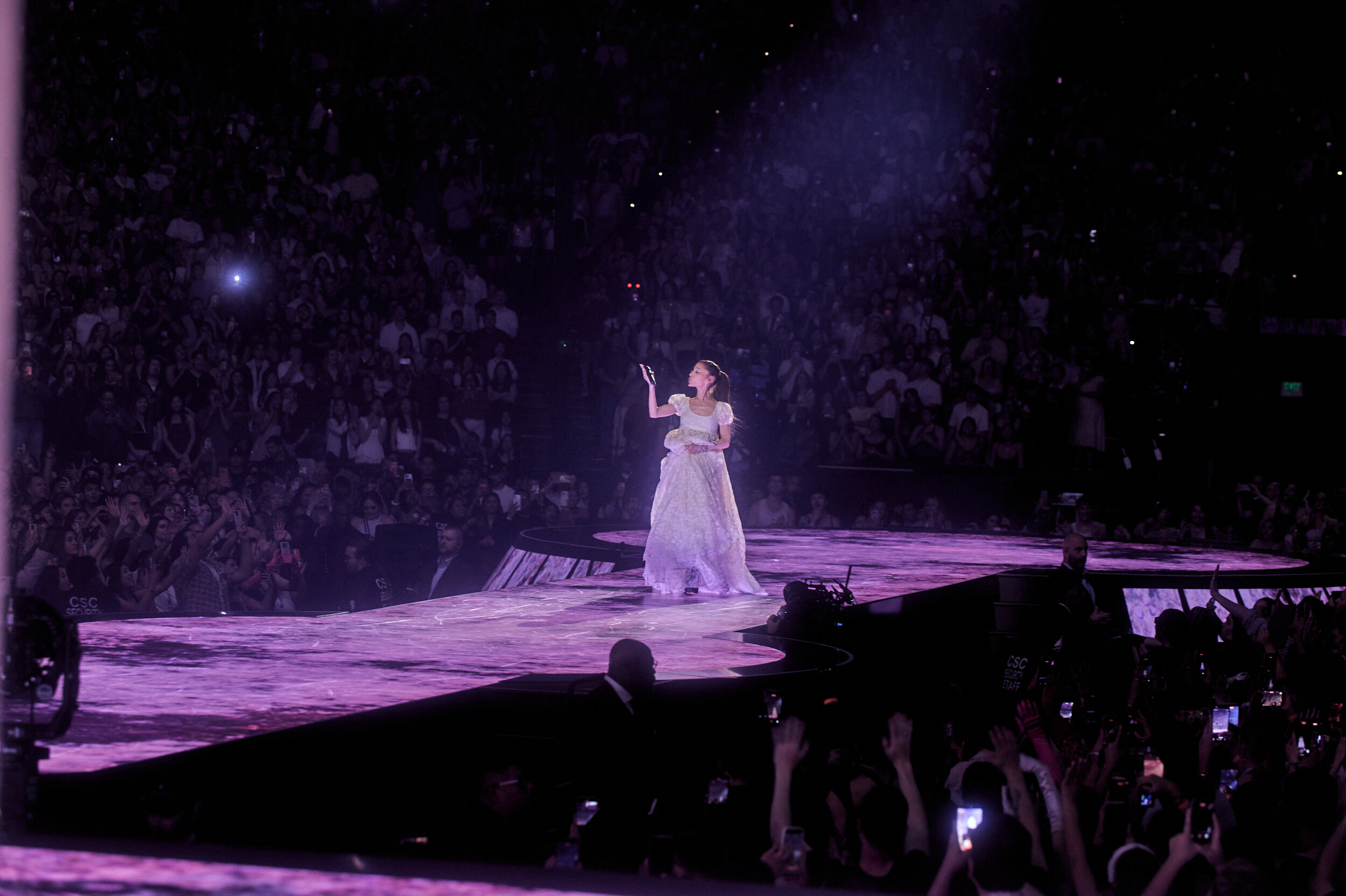
For seven years, fans talked about an Ariana Grande tour more than they actually expected it to happen. When Grande last toured in 2019, “thank u, next” had just been released, TikTok was still in its early days and the artist’s career looked very different from what it does now. In the years since, she’s released two studio albums, stepped into the world of film with the “Wicked” franchise and largely disappeared from the touring circuit altogether. So by the time she arrived in Oakland on June 6 for the opening weekend of the “Eternal Sunshine” tour, named after her newest album, “eternal sunshine,” expectations had only continued to grow.
On June 10, the third night of the tour’s opening run, that anticipation was impossible to miss. Throughout the Oakland Arena, fans paid tribute to the artist’s different eras, recreating outfits from album rollouts, music videos and other iconic moments from her career. Even before Grande took the stage, the night already meant more than a typical tour stop; for many in attendance, it was the return of an artist they had spent years waiting to see again.
What followed surprised me just a bit: Grande did not necessarily deliver the career-spanning victory lap that some fans (including me) expected. Instead, she built much of the evening around “eternal sunshine,” using the album as a lens through which to revisit the past and imagine what comes next.
The 90-minute show was divided into five acts connected by elaborate video interludes. Grande opened with “yes, and,” “positions,” “dandelion” and “the boy is mine” before moving through much of the “eternal sunshine” tracklist. Songs such as “twilight zone,” “past life,” “Hampstead” and “we can’t be friends (wait for your love)” received significant attention from the audience, while older hits appeared more selectively throughout the night.
That choice occasionally made the show feel surprisingly brief. While crowd favorites like “Dangerous Woman,” “Into You,” “Break Free,” “7 rings,” “thank u, next” and “One Last Time” all made the setlist, many fan favorites from earlier eras, such as “Problem,” “The Way” and “Side to Side,” to name a few, never arrived. Considering Grande’s long hiatus from touring — and the absence of an opening performer — it was difficult not to wish for another few songs.
Still, the setlist’s focus seemed intentional. Rather than functioning as a celebration of every era, the show often felt like an examination of them. That theme emerged most clearly through the production’s video interludes. Throughout the night, Grande repeatedly revisited previous versions of herself. One sequence featured multiple incarnations of the singer seated in medical-style chairs, seemingly representing different chapters of her career. Among them was a reference to the outfit she wore during the One Love Manchester benefit concert following the 2017 arena bombing. Yet one chair remained empty, perhaps to represent that her “Eternal Sunshine” tour self is not to be viewed as a past moment.
Whether every audience member interpreted the imagery the same way or not, the larger message felt clear. Grande wasn’t interested in pretending the past never happened. Instead, she seemed focused on acknowledging it, learning from it and moving forward.
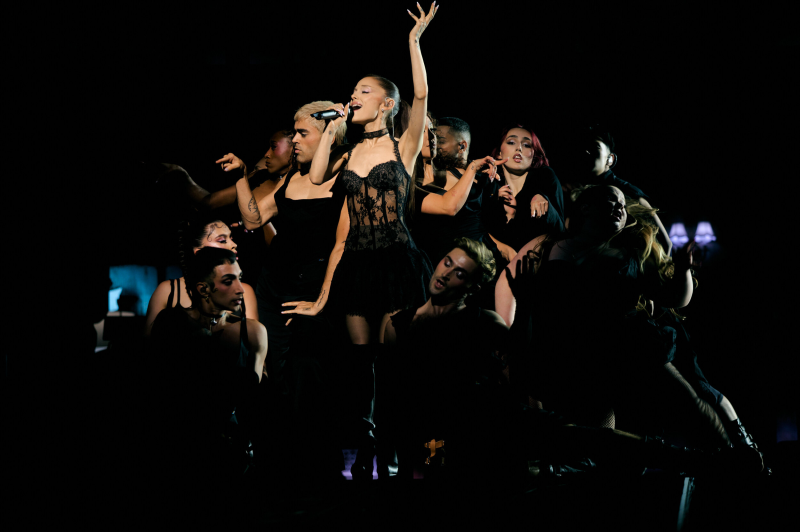
If there was one aspect of the performance that left little room for debate, it was Grande’s voice. Long regarded as one of pop music’s most gifted vocalists, she somehow sounded even better live than on record. The layered harmonies that opened “Eternal Sunshine” floated effortlessly through the arena, while complex songs such as “Dangerous Woman” and “One Last Time” served as reminders of the vocal control that has defined her career since the beginning.
Grande was equally supported by a talented group of dancers who helped bring the production’s storytelling to life. Rather than serving as background performers, they became an extension of the narrative, helping connect each act through movement and visual motifs. Combined with the interludes, their work transformed the concert into something more theatrical than a typical arena show.
One of the night’s most memorable moments had nothing to do with choreography or production. During the performance, the arena joined together in singing “Happy Birthday” to Grande’s mother, Joan, who was in attendance. The moment lasted less than a minute, but it captured the unusual connection Grande has built with her audience. Even in a packed arena, the interaction felt surprisingly personal.
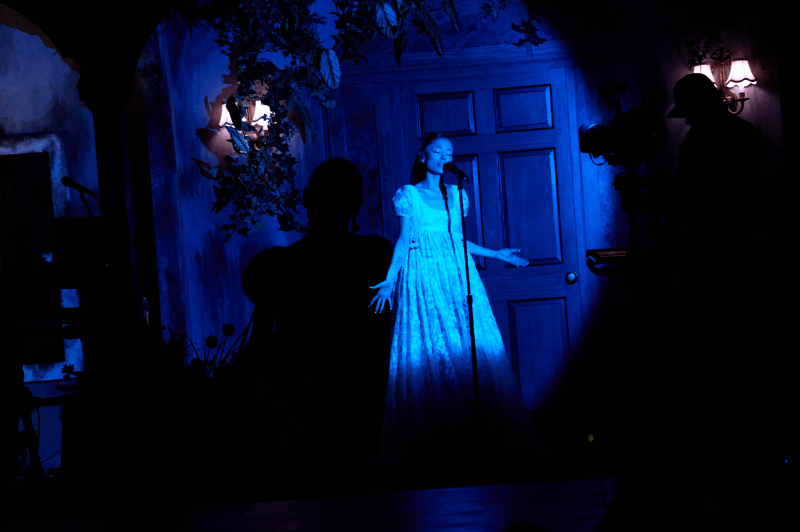
As I walked out of the venue, I found myself thinking less about the songs Grande didn’t perform and more about the story she was trying to tell.
The “Eternal Sunshine” tour may not be the definitive retrospective some fans envisioned after seven years away from touring. Some of the loudest reactions of the night came during songs from earlier eras. Yet even then, the show never lingered there for long. Through its visuals, setlist choices and recurring themes of reflection, the production offered a portrait of an artist learning how to carry the past without living in it.
For Grande, that seems to be the point. The concert spent plenty of time looking backward, but by the final notes of “ordinary things,” it became clear her focus is somewhere else entirely.