
My family’s decade-long tenure with Blue Apron just came to an end. Blue Apron is a meal kit service, delivering recipes and the ingredients necessary to make them every week. But beginning in July this year, these weekly shipments have either been missing ingredients or not arriving at all.
The culprit is Blue Apron’s primary supplier, FreshRealm, which filed for bankruptcy in April 2026 following a flurry of listeria outbreaks caused by its food products. These outbreaks affected more than just Blue Apron — meal kit companies Marley Spoon, Home Chef, and HelloFresh all had to recall some contaminated food products sourced from FreshRealm. Together, these four corporations make up 99% of the US meal kit industry.
FreshRealm’s decline is a cautionary tale against an overly centralized food sector and an underpowered food safety regulator — conditions that characterize the entire US food economy.
The food industry has been dominated by oligopolies for decades. An analysis by The Guardian found that nearly 80% of commonly purchased groceries came from markets dominated by just four firms or fewer. Over time, this consolidation has grown.
Because the food industry is concentrated, disruptions to a few companies can have a similar effect to that of FreshRealm’s collapse on the meal kit industry. For instance, in the US meatpacking sector, around 50 plants account for 98% of the market’s slaughtering and processing. When COVID-19 outbreaks caused five major meatpacking plants to shut down, more than 80% of US beef production was affected.
COVID-19 is not a foodborne illness like listeria; in this case, the meat plants closed because almost 60,000 workers fell ill, not because the food was contaminated. Contamination in industries as large as meatpacking has broader economic and health effects. In 2008 in Canada, where the meatpacking sector is similarly concentrated, a listeria outbreak in just one plant caused more than $242 million CAD in damages.
Since the same weaknesses of the meatpacking industry plague most of the major food product sectors in the US, a small number of outbreaks could affect the entire food supply.
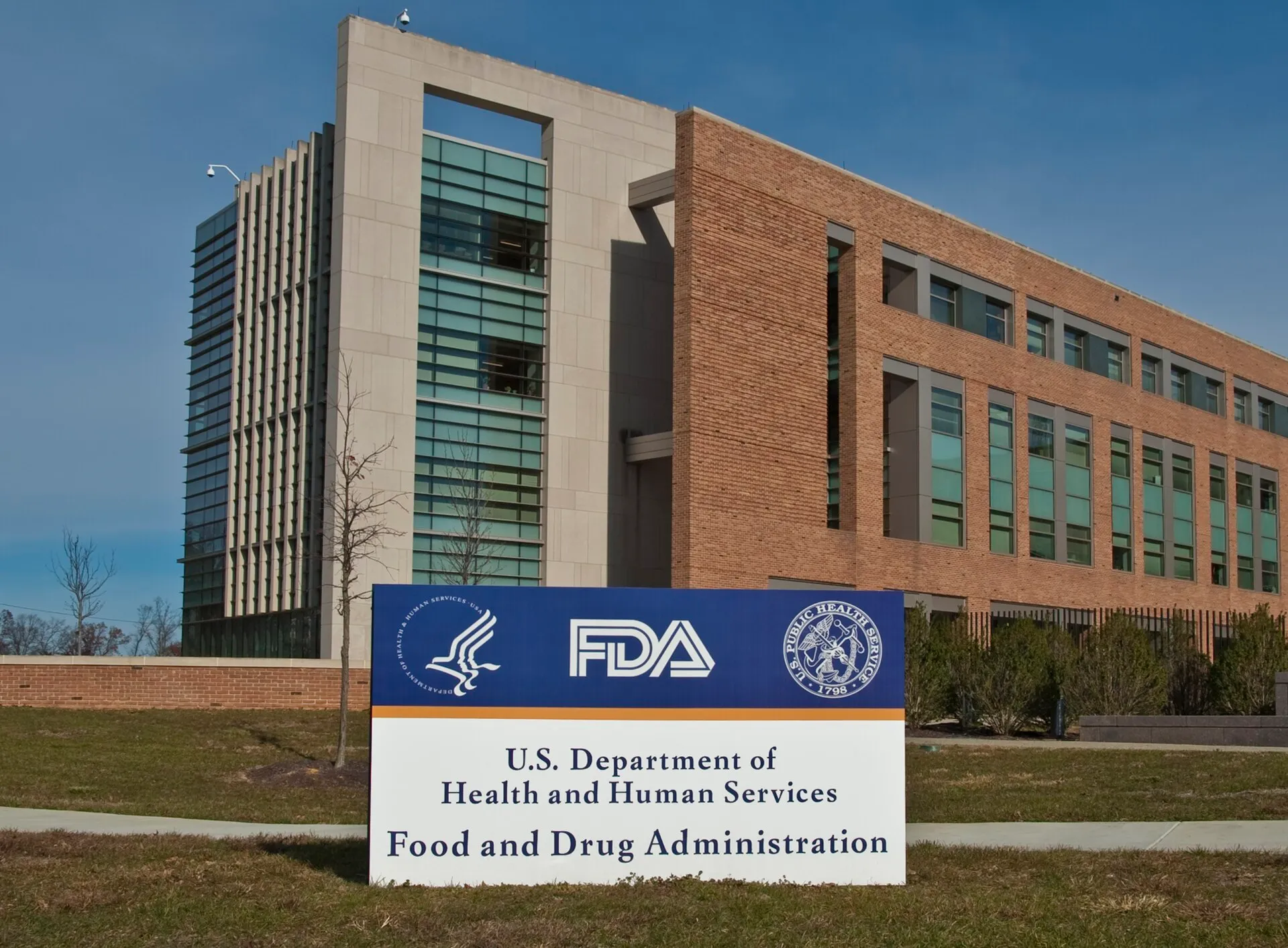
Recent cuts to the Food and Drug Administration have heightened the risk of such a scenario. In April 2025, the Department of Health and Human Services cut around 20,000 employees, including 21% of the FDA’s workforce. That includes 170 employees from the Office of Inspections and Investigation, one of the agency’s main bulwarks against outbreaks.
Around 65% of the travel and business agents necessary to get inspection officers on the ground were also fired. These factors, among others, led the US to have the fewest food safety inspections in 2025 in over a decade, aside from pandemic-related shutdowns.
Analysts peg those reductions as key contributors to a recent jump in outbreaks. In 2026, there have been 12,229 illnesses documented in government outbreak investigations, more than eight times as many reported illnesses than the previous five-year average. The vast majority of those illnesses were due to a few outbreaks of cyclospora.
As part of its campaign to reduce government spending, the Trump administration fired eight of the eleven scientists in an FDA cyclospora testing lab last year. Another FDA quality assurance testing program that ensured 170 labs across the country properly tested for many foodborne illnesses, including cyclospora, was suspended in April 2025.
The FDA had its fair share of issues before any of the cuts took effect. The organization has never in its history achieved its foreign facility inspection goals, falling short by 91%, even in its strongest year. It was also already short-staffed; the vacancy rate among investigators rose from 2021 to 2024.
However, the current administration has done uniquely long-lasting damage to the FDA and its regulatory abilities that could take years to fix. Already, bureaucratic bottlenecks and a new perception of low job security have deterred the rehiring process of many cut employees.
The combination of underregulation and overcentralization has already proven itself dangerous. Experts suggest that the cyclospora outbreaks — partly driven by the FDA cuts — worsened due to the concentration of the food industry.
No matter where you are in the US, it’s hard to escape the impacts of this twofold problem. At Stanford, Residential and Dining Enterprises prioritizes local and regional food suppliers, which help insulate the University against both contamination and supply chain failures that threaten the national food economy. But even these local suppliers are at risk amid declining domestic FDA inspections. While California employs its own food safety investigators, their programs are not designed to operate independent of the FDA.
R&DE shores up some of these holes with robust food preparation standards, but outbreaks like cyclospora are much easier to catch at the supplier level since they predominantly spread through leafy vegetables that usually aren’t cooked.
These factors underscore why fixing industry consolidation and government regulation in the food sector are equally important. A decentralized food supply can only do so much against heightened numbers of outbreaks. Likewise, even effective and frequent inspections will let a few outbreaks through, dealing outsize damage in a centralized system.
Blue Apron leaves us with one final lesson. The company once sourced much of its food products in-house and from local suppliers. But after years of poor performance and low profitability, Blue Apron switched to a primary third-party supplier in FreshRealm in exchange for a cash injection. Instead of saving the sinking ship, the company may have only delayed its end.
The meal kit industry will endure. Competitors like HelloFresh and Home Chef were caught in the FreshRealm crossfire but escaped the supply-chain fallout mostly unscathed. The broader food industry will survive outbreaks despite its vulnerabilities, just as it survived the cyclospora outbreak this year.
But the message for both government and industry is clear: just as you shouldn’t put all your eggs in one basket, you probably shouldn’t get them from one either.