
In her column Reel Classics, Ada Huang ’30 reviews and analyzes classic films.
Editor’s Note: This article is a review and includes subjective thoughts, opinions and critiques.
What defines you as a person? Is it your career, your hobbies or your loved ones? All of these things are subject to change, hostage to circumstance. Is there anything you would never compromise, no matter the cost? If no such thing exists, if you are capable of being molded into anything under the right conditions, are you anyone at all?
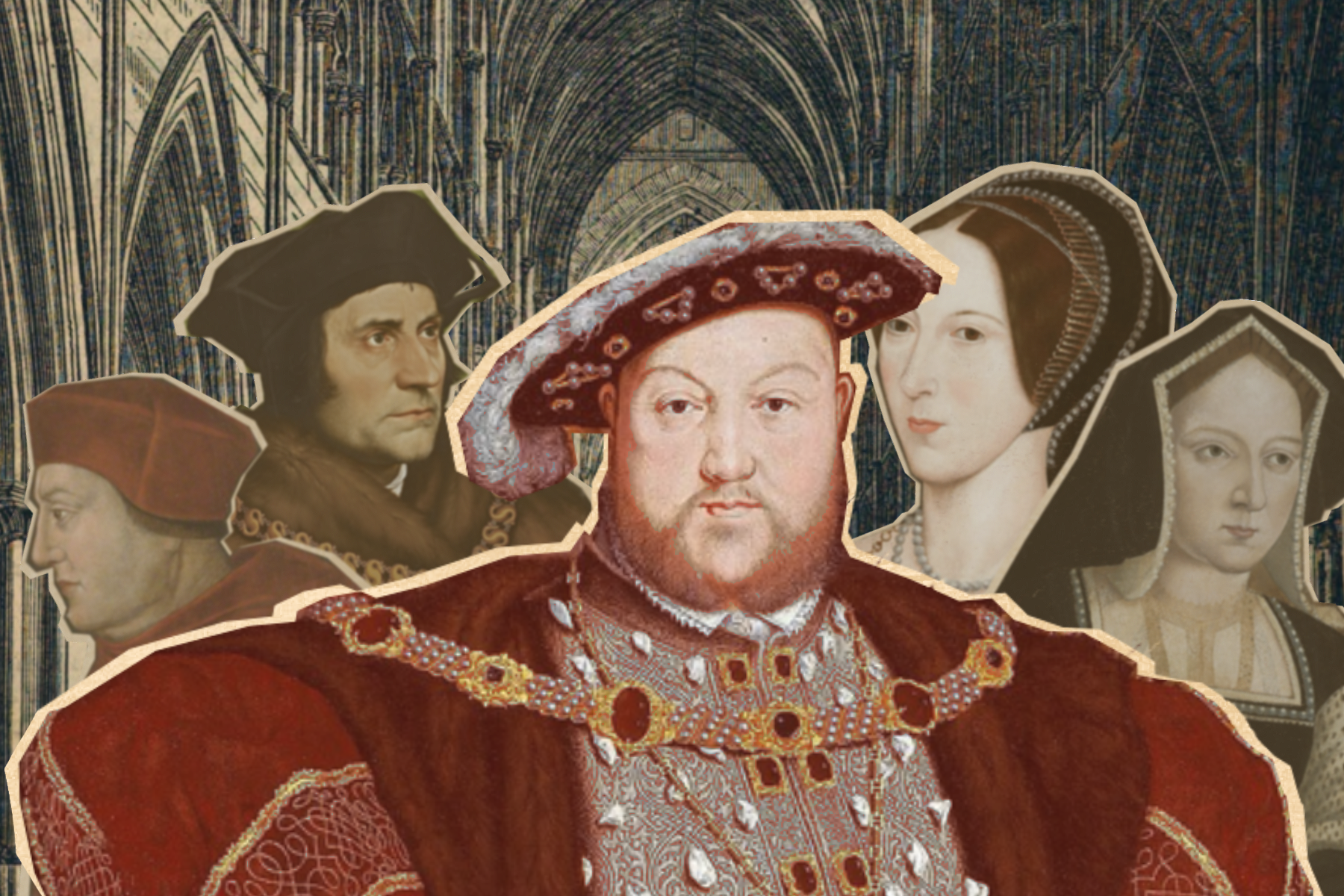
“A Man for All Seasons” (1966) is a historical drama about a man who knows exactly who he is. Directed by Fred Zinnemann, the film follows Thomas More, a renowned Renaissance humanist best known for his sociopolitical satire “Utopia.” It chronicles the events leading up to his execution after he refused to recognize King Henry VIII as Supreme Head of the Church of England. The film makes no mention of “Utopia,” neglecting to include his scholarly side at all. Instead, it focuses on More’s unwavering religious convictions, which ultimately cost him his life. .
“A Man for All Seasons” is a movie now largely forgotten. Upon its release, the film swept major awards ceremonies, earning eight Academy Award nominations and winning six, including Best Picture, Best Director and Best Actor. It is a film radiant in its wisdom and wit while remaining genuine in its convictions — much like the man it portrays.
The actors do a nearly perfect job of delivering their roles, especially Paul Scofield, who plays Thomas More with a quiet, humble dignity. Wendy Hiller’s performance as More’s wife, Alice, brings a refined quality to her character, an uneducated woman in no way her husband’s intellectual equal, but supportive and helpful nonetheless.
The dialogue is in equal measure sharply cunning and emotionally impactful, which allows it to inspire the mind and touch the heart. The film features witty one-liners which cannot fail to amuse, such as More’s chiding remark: “Richard, it profits a man nothing to give his soul for the whole world, but for Wales?” Such scenes of light cleverness only serve to enhance the truly emotional moments.
At Henry VIII’s wedding to Anne Boleyn, he believes he sees More, his former friend and mentor, and races toward him with a look of genuine affection and happiness. When he sees that it isn’t More, the disappointment on his face is poignant, as the weight of his condemnation of More finally dawns on him.
He realizes the validity of his marriage and his own happiness will never be complete without the blessing of More and his conscience. Robert Shaw, who plays Henry VIII, does a fantastic job of portraying this emotional transition, from his desperate, almost childlike desire for More’s approval to his visible deflation upon realizing his mistake.
In a powerful scene at the start of the film, More attempts to teach a valuable lesson to his young acquaintance, Richard Rich. Driven by his desire for wealth and fame, Rich is blind to the consequences of his relentless pursuit of material success. In response, More offers Rich a silver cup that he received as a bribe, then says “But Richard, that’s a little bribe. At court they offer you all sorts of things, home, manor houses, coat of arms. A man should go where he isn’t tempted.”
More instead offers a separate path for Rich: education. He suggests that a better path for Rich is to become a teacher, where he may never be widely recognized for his efforts, but his integrity will remain intact. Rich, however, rejects this plea to his soul and ultimately betrays More in his critical moment of need.
You do not need to be religious to enjoy this film. In fact, what Thomas More believed in as a Catholic is not important at all. Regardless of their religion, convictions or political beliefs, everyone holds the right to keep the little space between their two ears private, and the right to uphold their integrity.
Additionally, the message that More imparts to Rich seems particularly poignant in the current landscape of Stanford. Students here are often pressured to pursue careers considered “prestigious” or prioritize professional success, so how do we grapple with that?
I say More’s answer rings truer to us than ever before: education. We may not all become teachers, but as students, it is our duty to participate sincerely in our own education, which goes beyond the development of practical skills. Stanford is a place where we are tempted, but it is also where we can uncover our personal truths that keep us from selling our integrity for our equivalent of Wales.
Watching “A Man for All Seasons” was a necessary reminder for why I am here: not for fame, not for wealth, but to understand who I am. Only once I have found that can I become someone who stays true to their principles, or “a man for all seasons.”