Editor’s Note: This article is a review and includes subjective thoughts, opinions and critiques.
In 1960, fresh off a highly-publicized obscenity trial, the poet Allen Ginsberg wrote “Magic Psalm,” a feverish and remarkably sensual cry to God. Half a century later, composer Philip Glass would write “Magic Psalm” on a sketch of his Etude No. 17 and tuck the paper into a book of Ginsberg’s poetry. It would stay there for nearly 15 years.
On Friday at Bing Concert Hall, the etude-poetry combination received its world premiere at “Let the Poets Speak: A Celebration of Philip Glass and Allen Ginsberg,” serving as the most highly-anticipated piece of a jumbled program commemorating both Ginsberg’s centennial and Glass’ 90th birthday. In spite of several splendid performances, the evening lacked cohesion and failed to find a balance between its poetic and musical elements.
Ginsberg was the focus of the night despite Glass’ top billing in the event title, and the attention given to the poet often occurred at the expense of the composer. The treatment of “Magic Psalm” exemplified this asymmetry. The combination of the music and text was the novelty, yet the high volume of the poem — an archival recording of Ginsberg was played — obscured pianist Timo Andres’ sensitive interpretation. As a result, the premiere became a lightly-accompanied recitation of an old poem. One can only hope that future performances will present the work more tastefully.
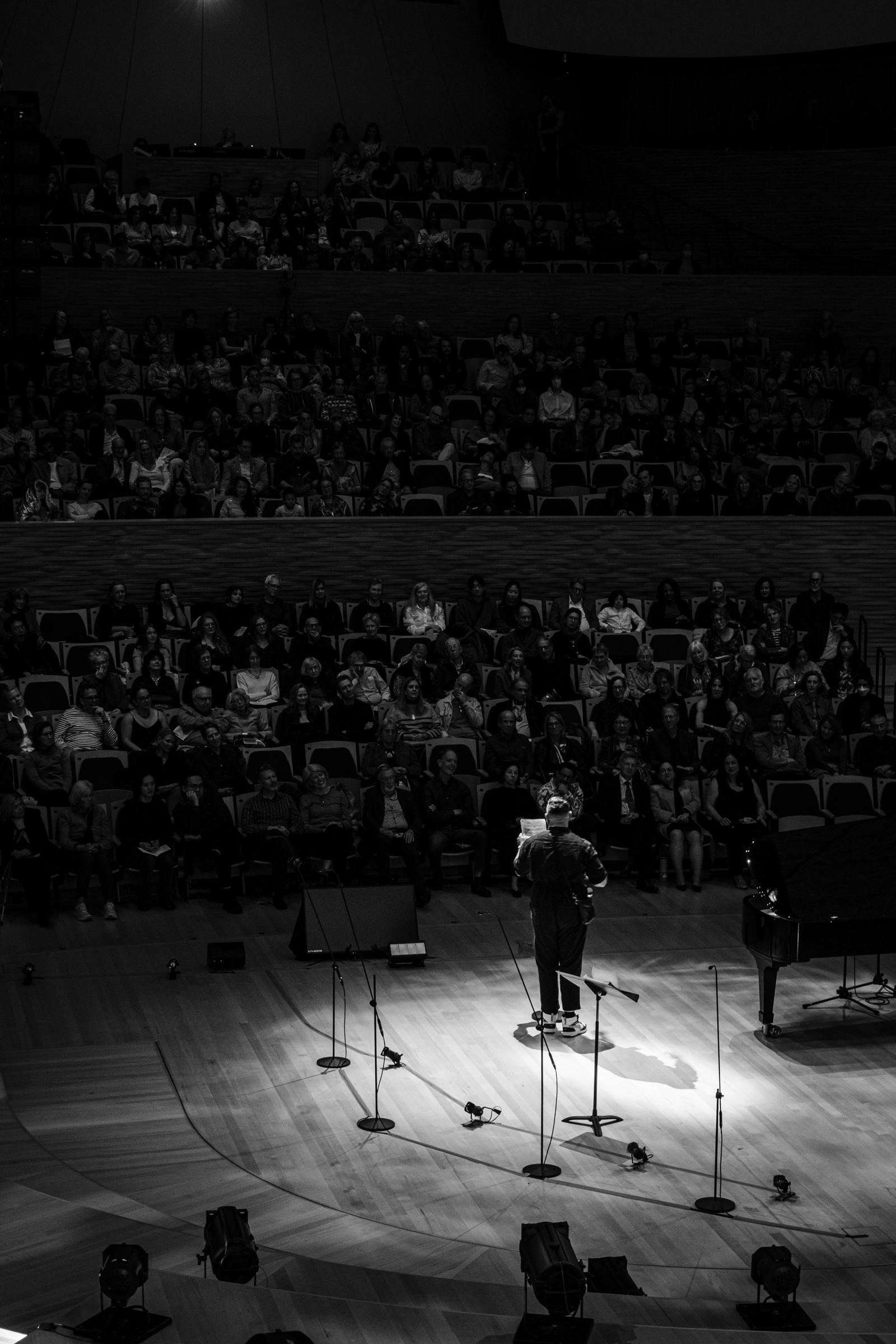
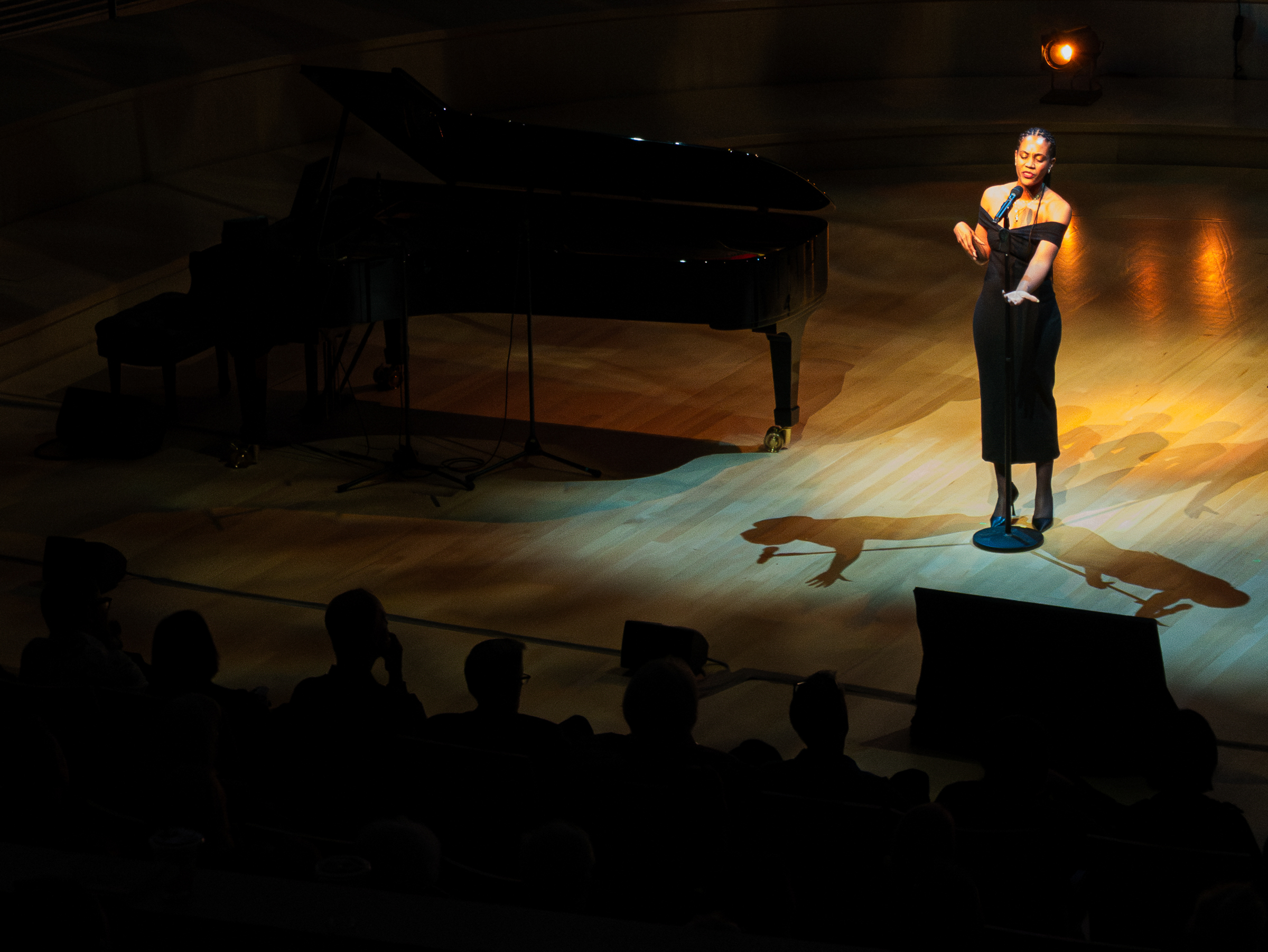
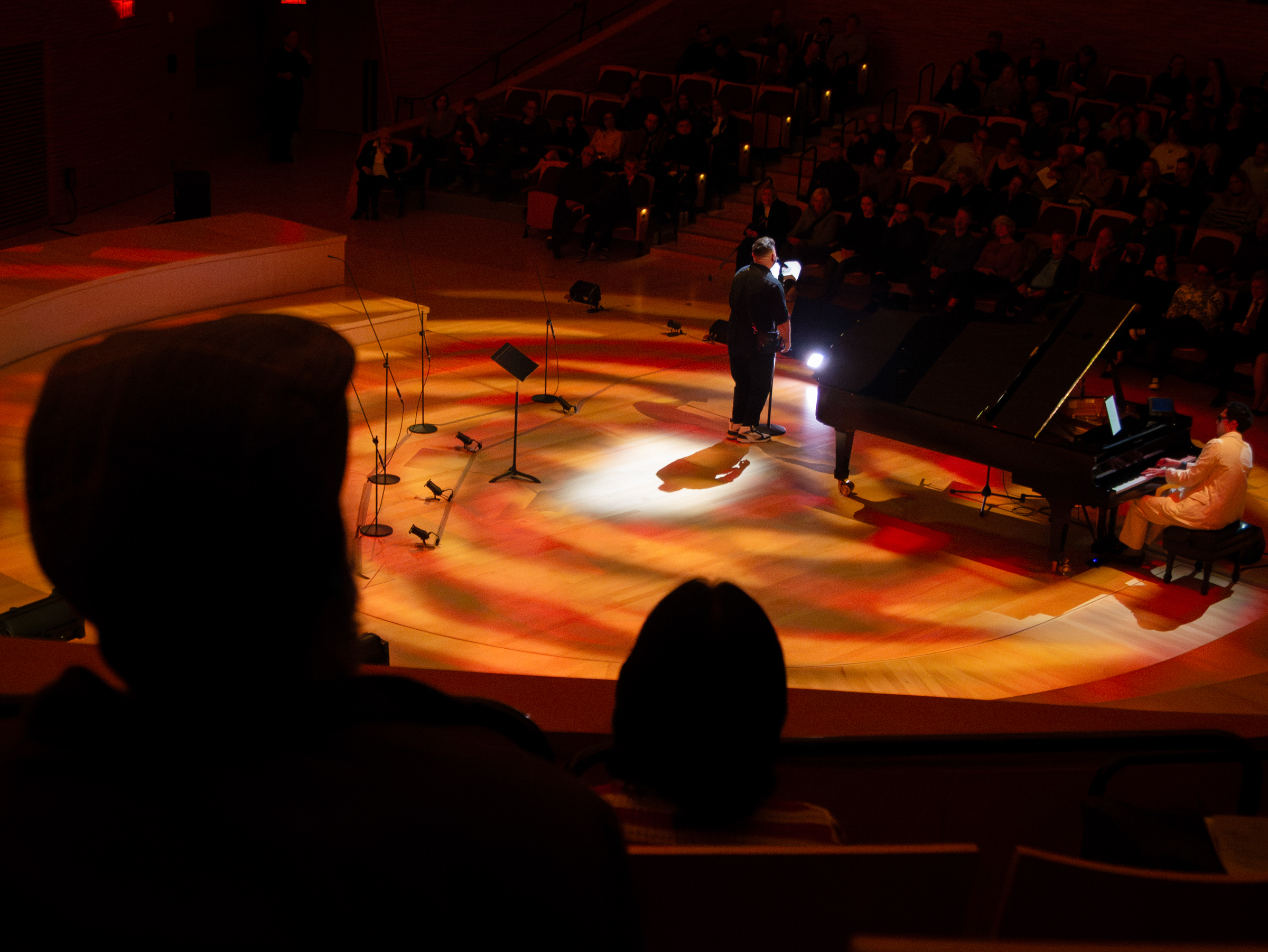
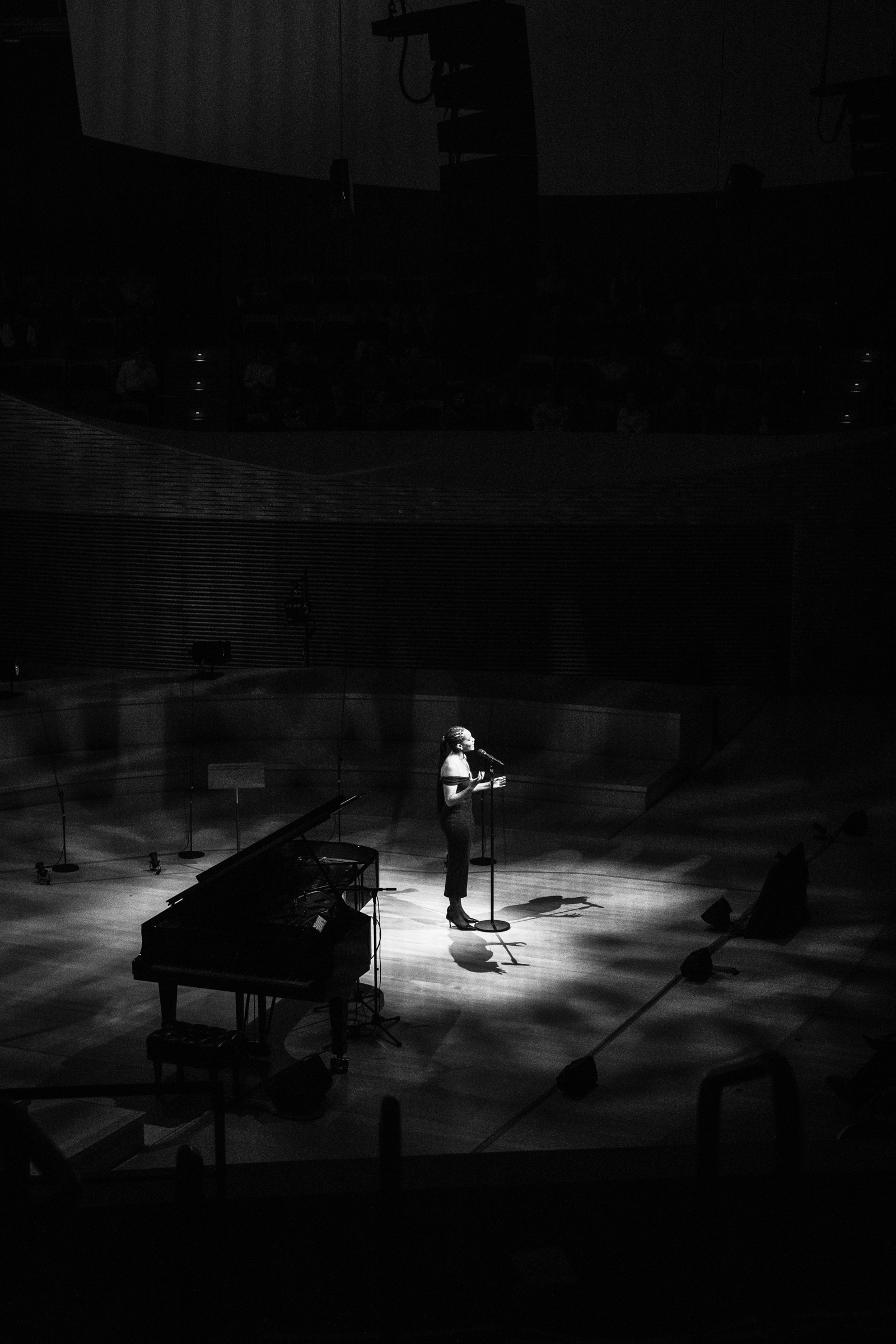
“Magic Psalm” was followed by a recitation of Part One of “Howl,” Ginsberg’s 1956 counterculturalist poem and the subject of the aforementioned obscenity trial. Poet Chinaka Hodge sped through the long lines to highlight the poem’s raw stream of consciousness. It was certainly not how Allen Ginsberg would have read it: His recordings, including the one played immediately before Hodge’s appearance, reveal a far more deliberate pace. Nevertheless, Hodge’s interpretation was impressive not only for its sheer virtuosity but also for its unbridled passion.
Two other Ginsberg poems were carefully and enthusiastically presented. Sam Sax, a poet and lecturer in the Immersion in the Arts, Living in Culture department, read “Footnote to ‘Howl’,” and 2017 Pulitzer Prize finalist Taylor Mac recited “Wichita Vortex Sutra.” Both pieces were superbly enhanced by Andres — the former with improvisation that involved directly plucking the piano strings and the latter with Glass’ composed accompaniment. Refreshingly, neither performance suffered from the imbalance that characterized “Magic Psalm.”
The night also featured two newly-written poems, one by Hodge and one by Sax, to less effect. Billed as replies to Ginsberg, both proved to be little more than attempts to emulate the poet’s style in a discussion of specific issues such as race relations or the modern surveillance state. Sax’s reliance on audience interaction didn’t allow them to break out of Ginsberg’s mold; if anything, it felt forced and unnecessary. On their own, the works were not defective in any significant way, but their position as immediate followups to Ginsberg’s verse revealed the two poets’ inability to match his voice.
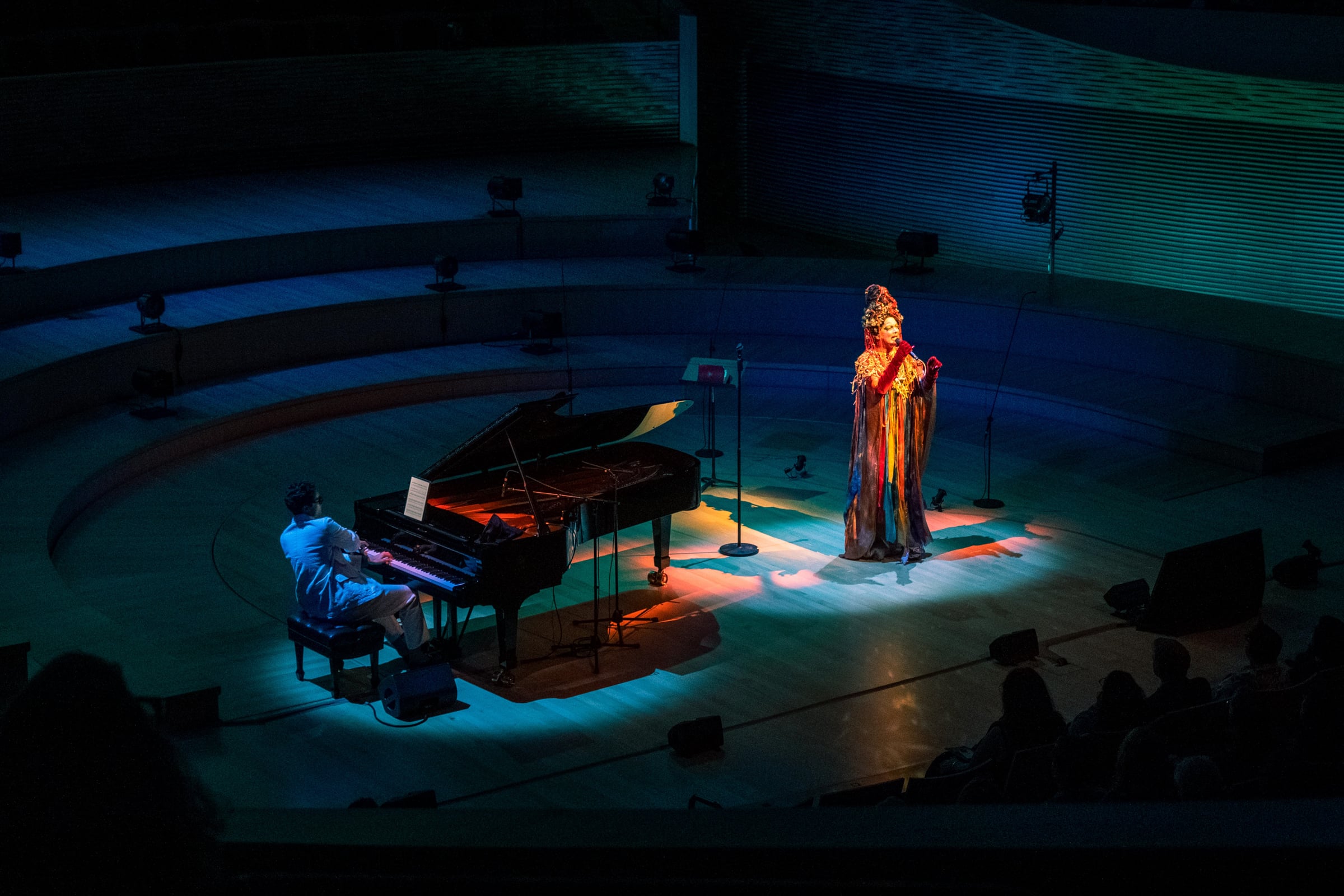
Mac and Andres also performed Bob Dylan’s “Isis” and Glass’ “Like This,” and Sax joined them for the second piece. The numbers were well-handled, and, for the first time in the evening, presented with humor. But the attempted turn towards the positive — reinforced by Mac’s personal anecdote about a theatrical failure and finding solace in everyday life — did not fully succeed in lending the program a cohesive message: It came too late to overcome the serious themes of the preceding items. Furthermore, Glass was once again overshadowed, now not by sheer volume but by distracting theatrics, chief among them Mac’s gaudy, multicolored costume.
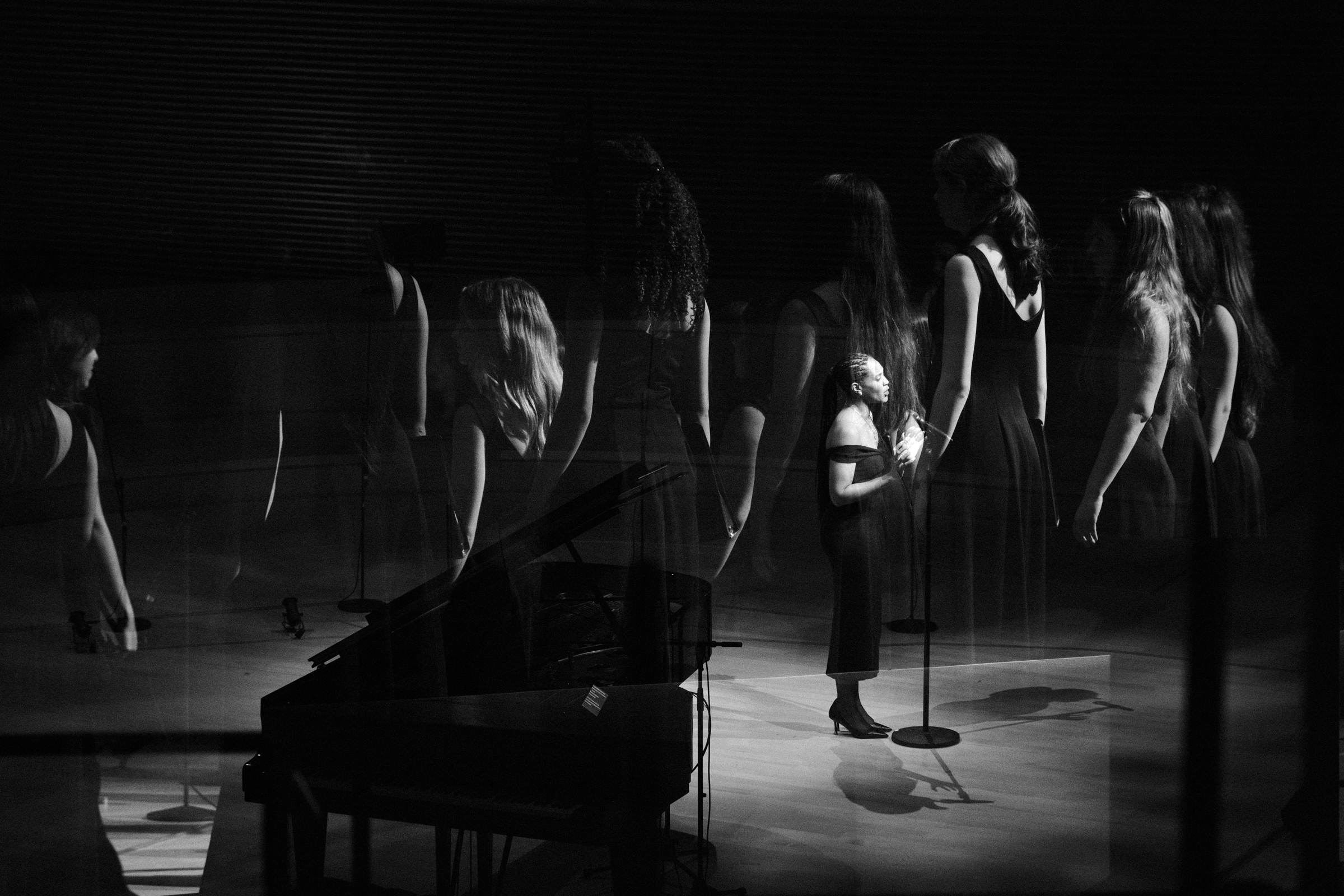
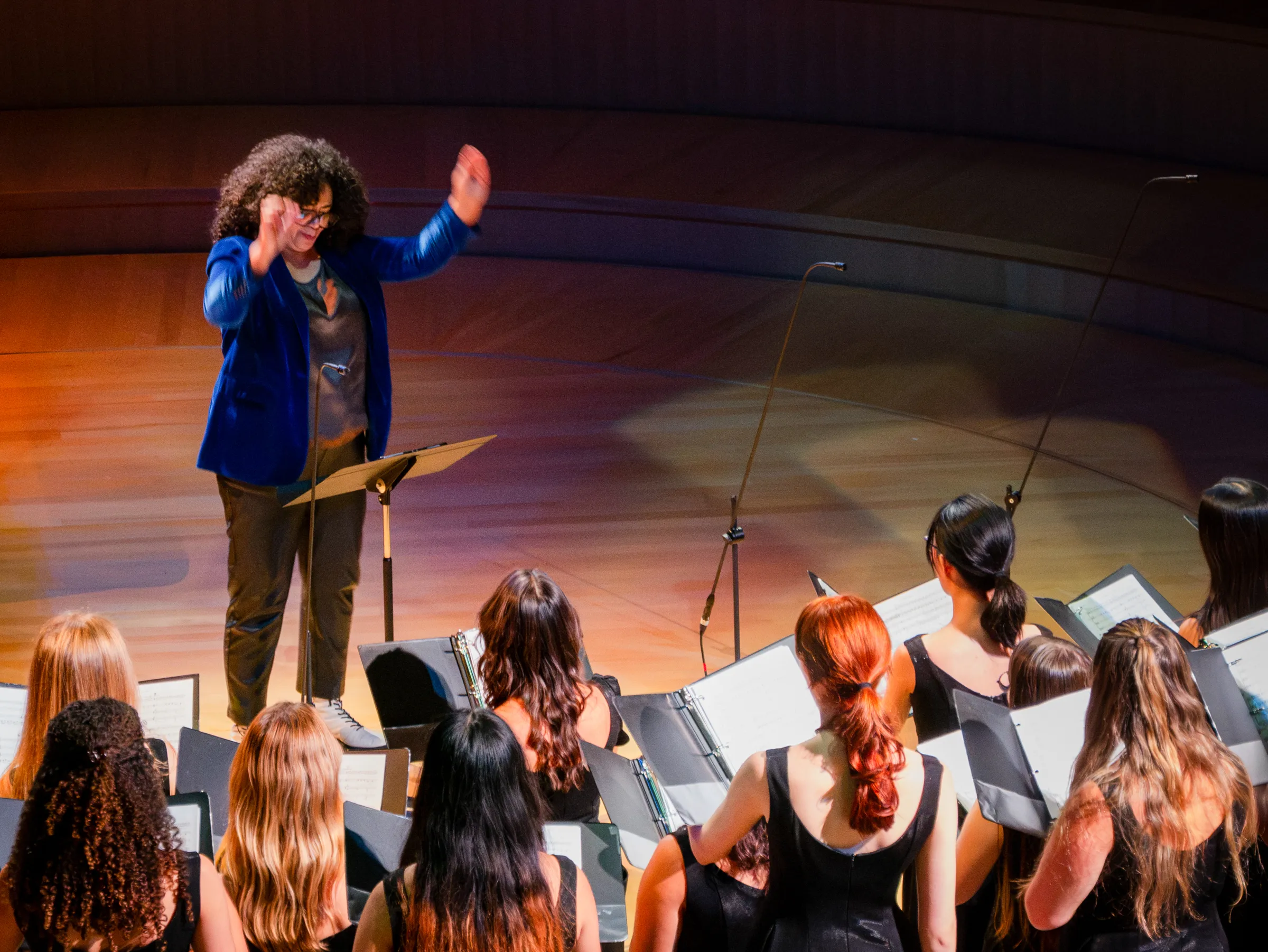
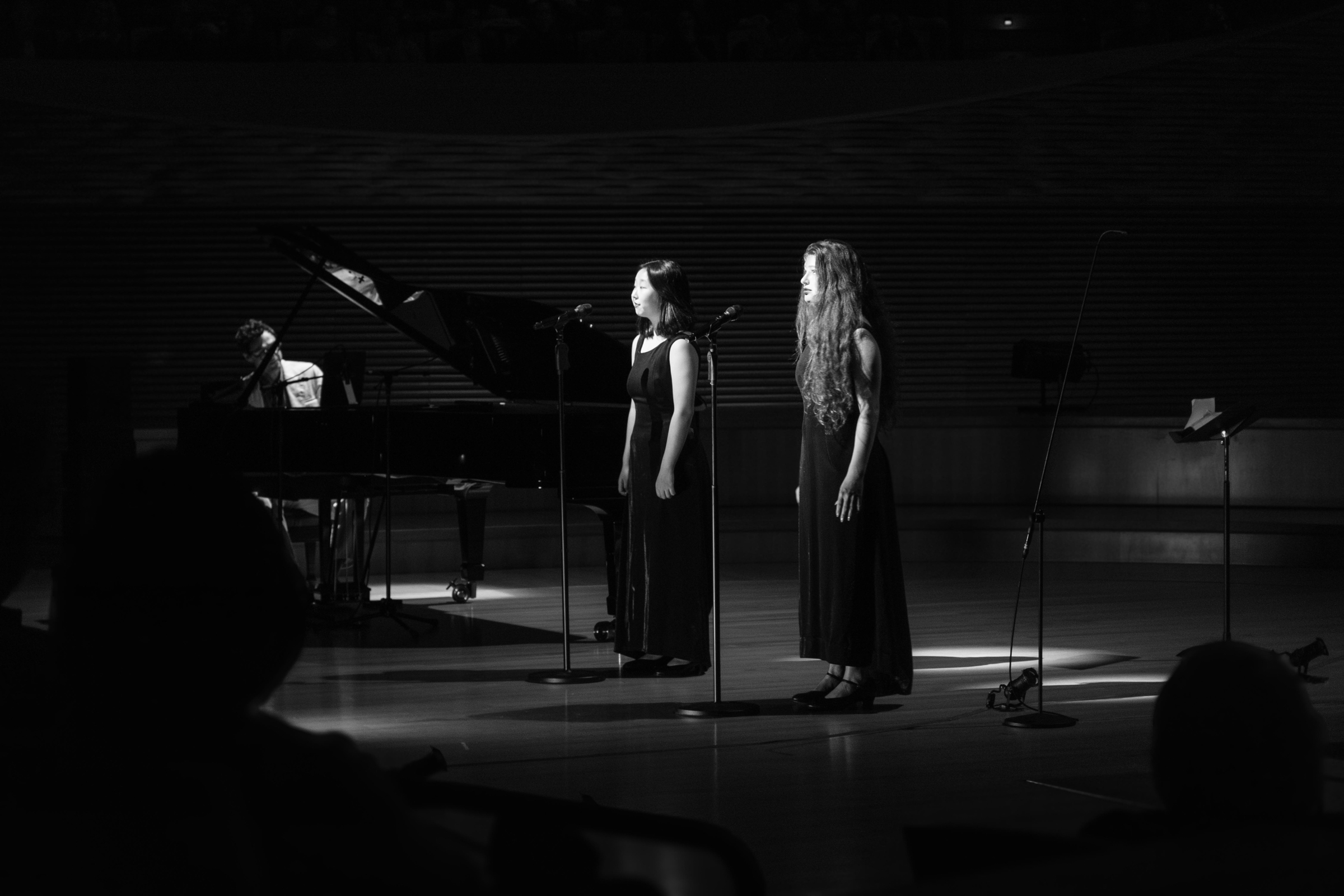
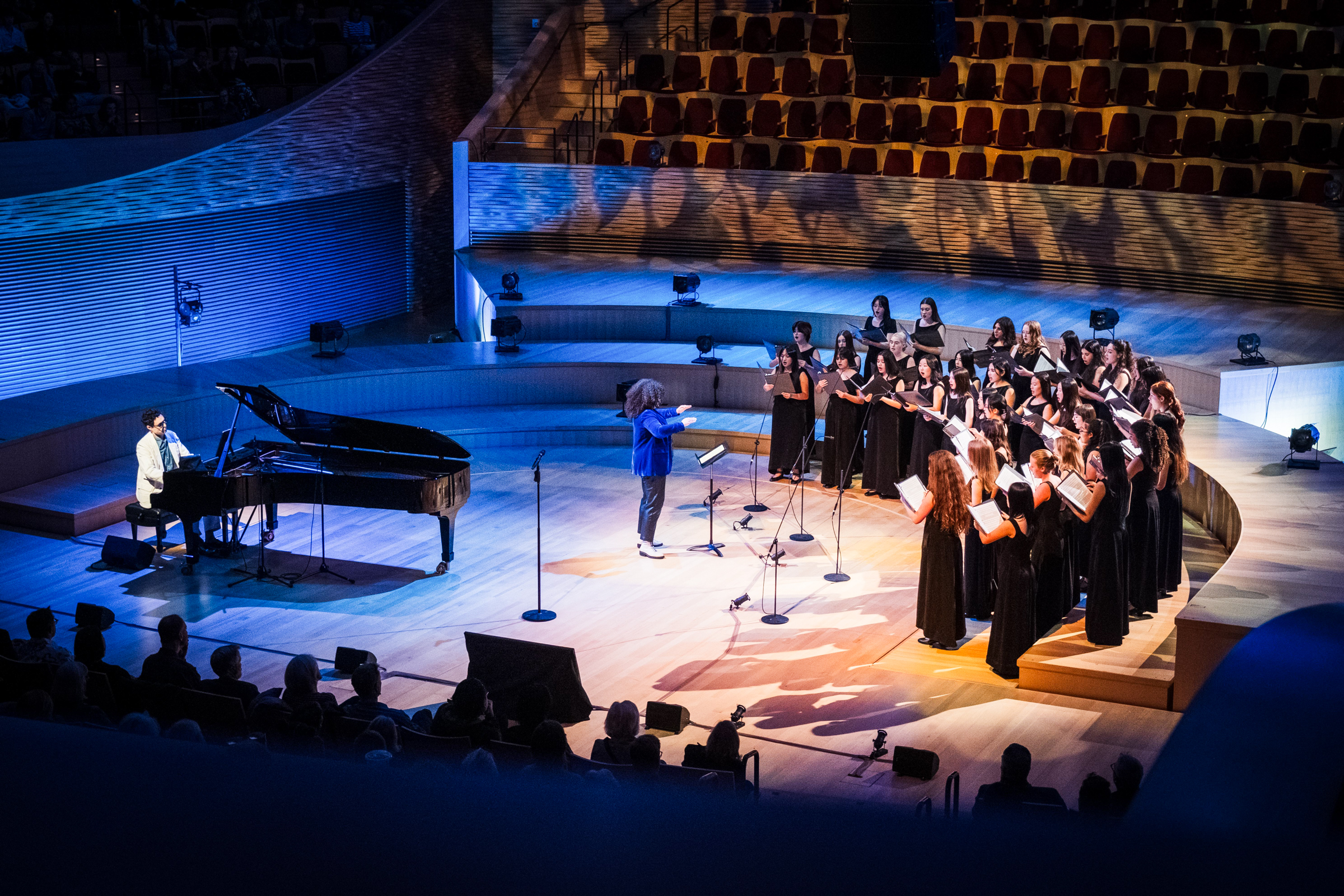
Glass’ relegation to the background would not have been so unfortunate had his music not comprised the finest achievements of the evening. The San Francisco Girls Chorus sang three excerpts from Glass’ longer works remarkably well, and the soloists in “Mother Mother” and “Father Death Blues” distinguished themselves with their delicacy and, for the high sopranos, ethereality. Even so, “Vessels” suffered from overly harsh articulation that occasionally threatened to overwhelm the harmonies and other figures.
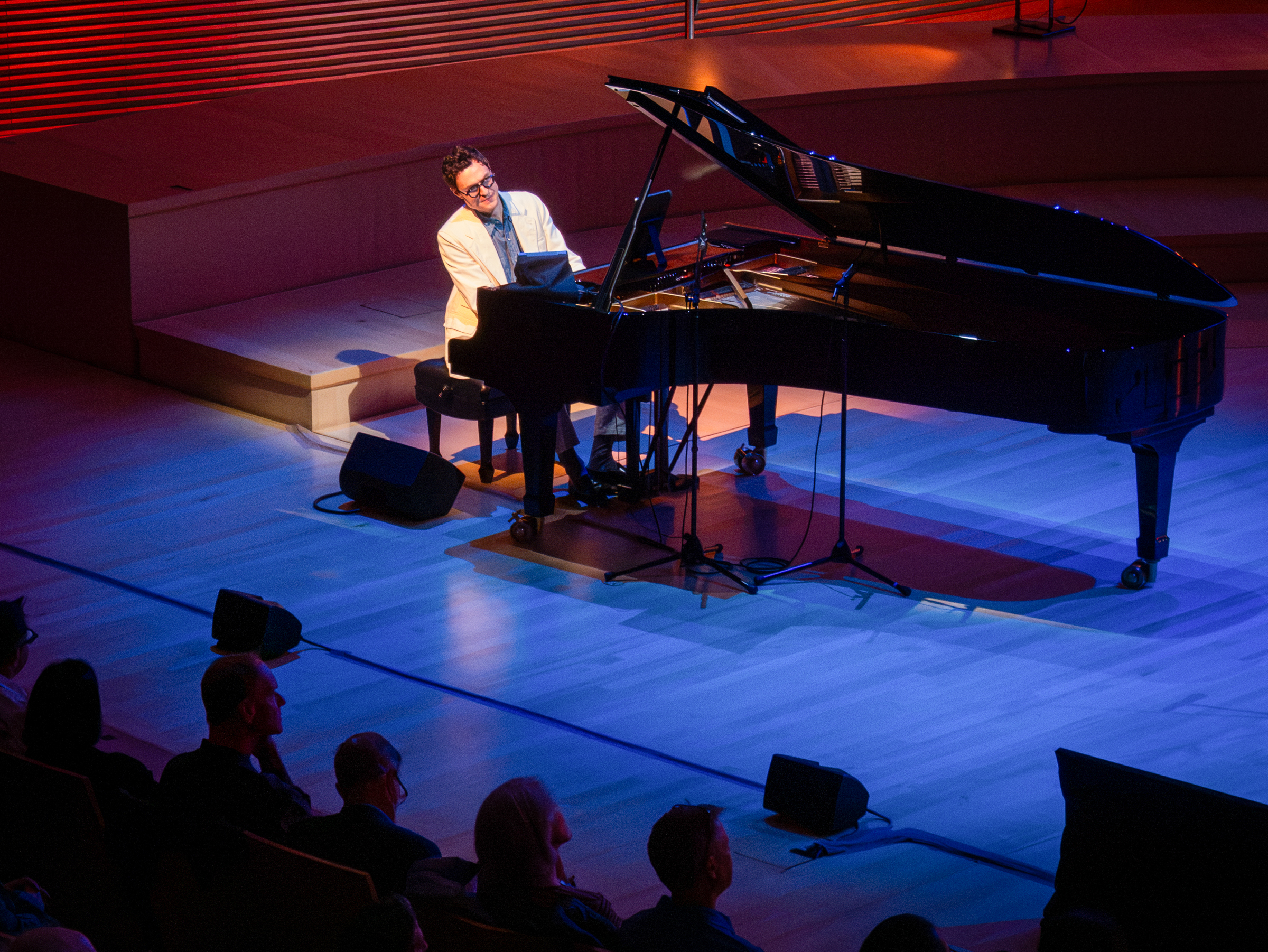
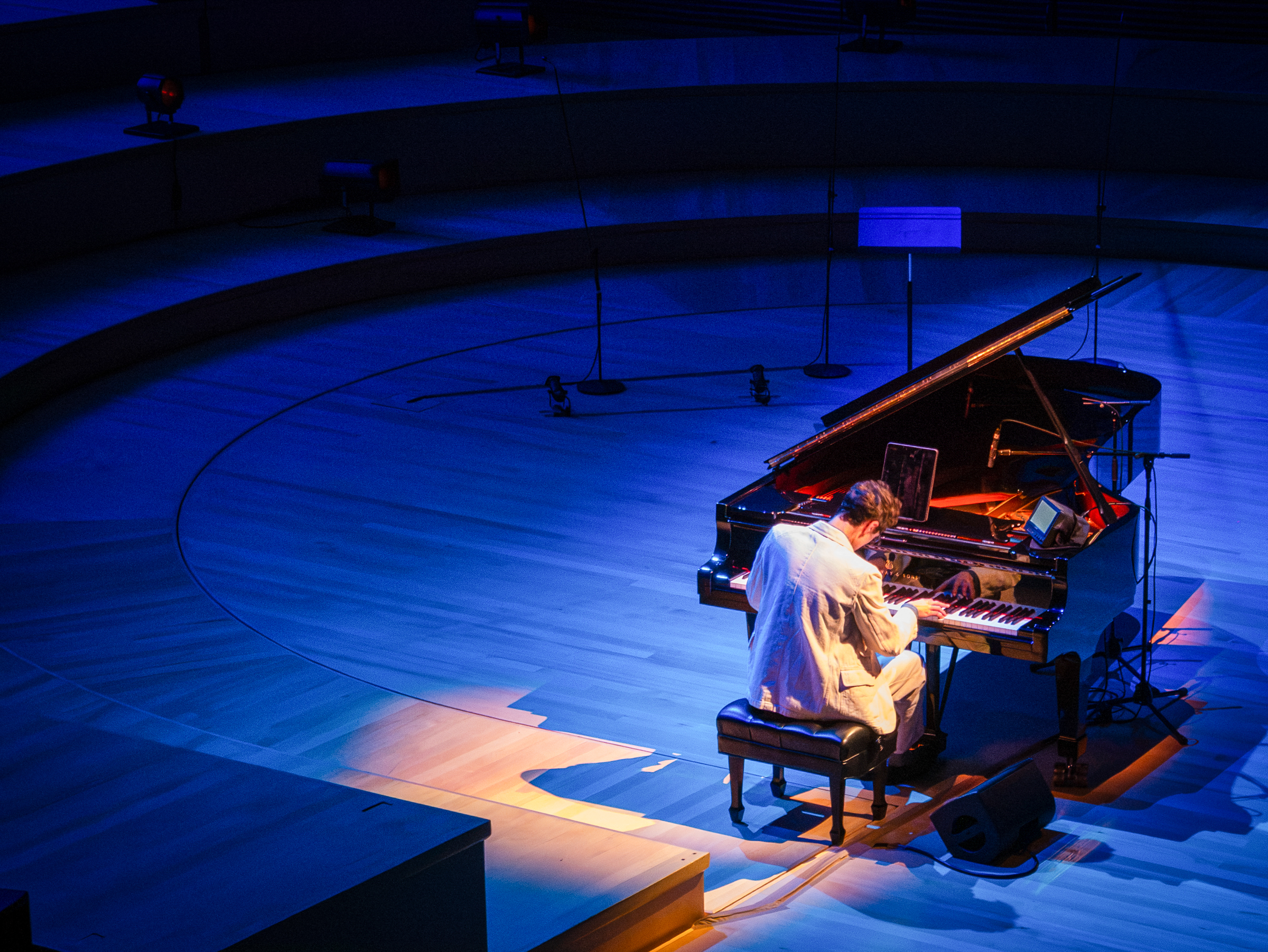
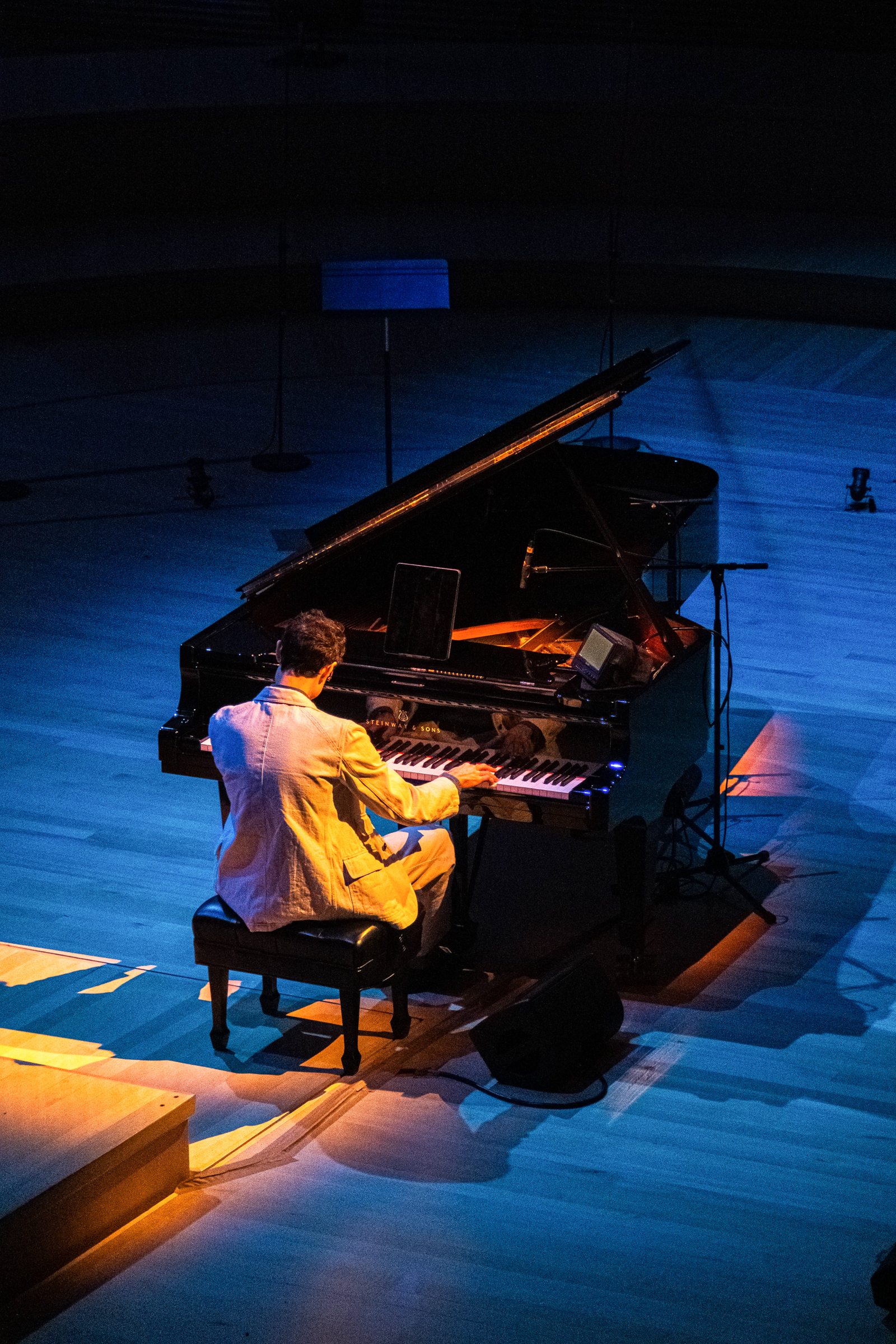
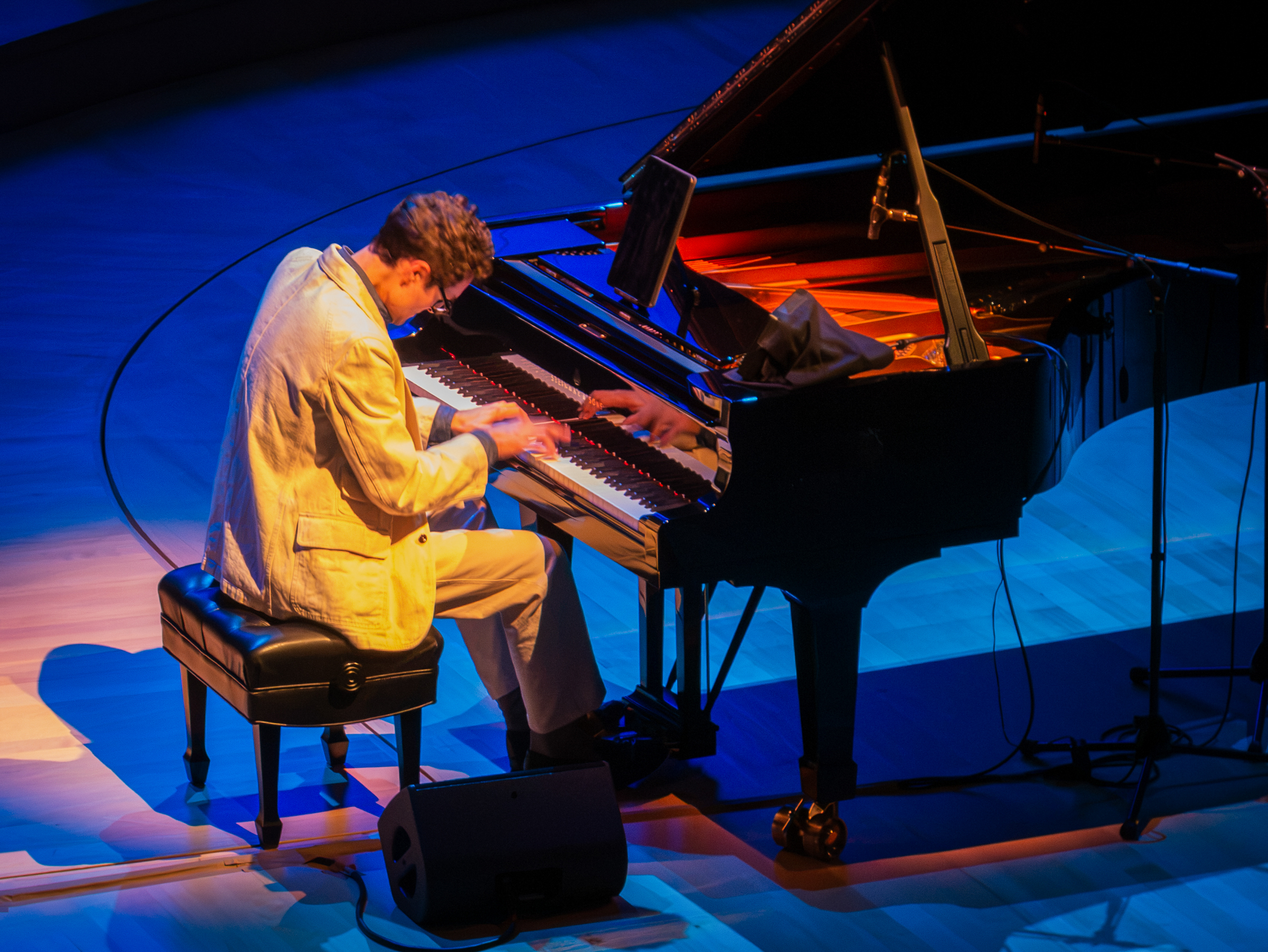
It was Andres, however, who offered the best performances. Glass’ piano works are extraordinarily demanding: beyond the physical agility required to sustain their swift repetitive figures, performers must infuse the music with emotion and contrast without harming its minimalist principles.
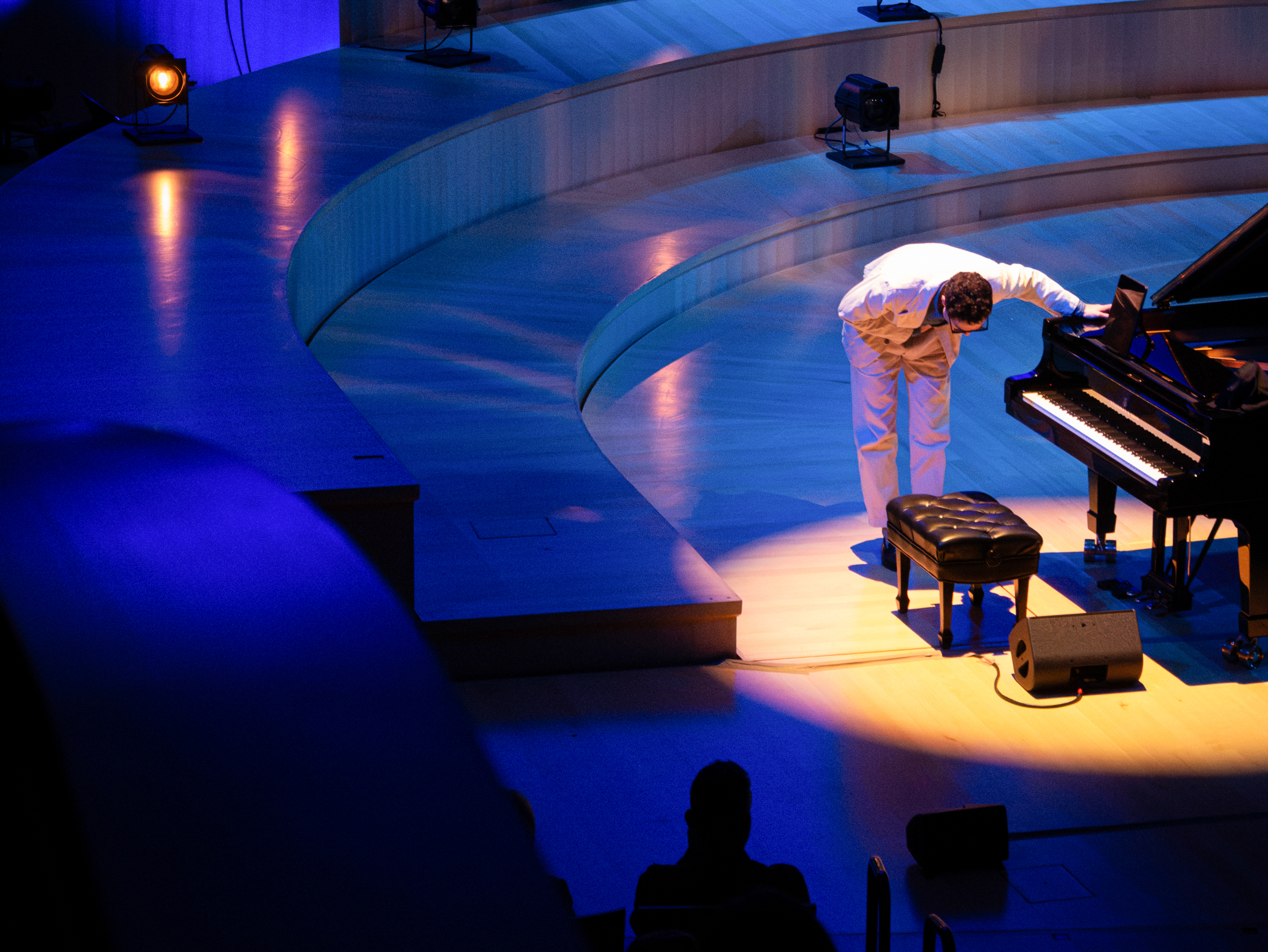
Andres triumphantly managed all of this in his renditions of Etudes 13 and 16. In the first, he maintained a frenetic gallop and effectively bridged the abrupt transitions between light ostinatos and rumbling scales. He also varied his articulation to great effect in Etude 16. The piece’s haunting sentimentality was fully on display, immediately banishing any suggestion that Glass is a “boring” composer.
If only the rest of the program recognized that as well as Andres did and gave him the 90th birthday treatment he deserves.