
In “The Secret Lives of Poets,” April Yu ’30 investigates the absurd habits, wacky relationships and creative practices that past and modern writers use to stay grounded or take flight.
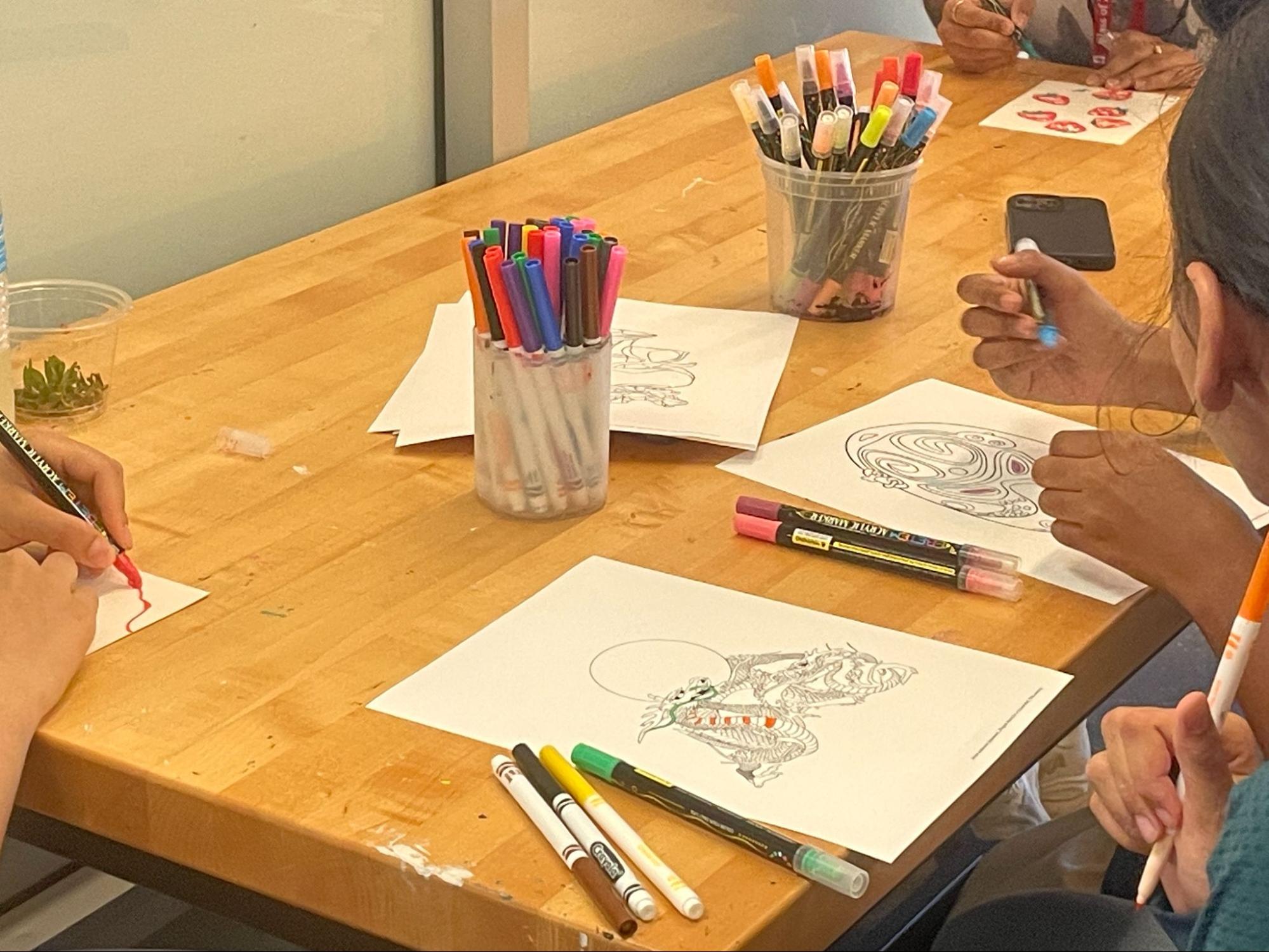
On campus, getting help goes beyond traditional medicine. A partnership between Stanford Arts and SocialRx offers “prescriptions” of arts and culture activities for emotional well-being.
SocialRx, a healthcare delivery platform, works to combat the mental health and loneliness crises by referring individuals to “non-clinical, community-based activities.” Since 2024, the Stanford Arts Prescribing Program has paired Stanford students and postdocs with SocialRx Care Navigators to identify and access creative activities they hope to explore. 150 students and postdocs are currently enrolled in the program.
Whether community members are drawn to poetry talks, glass-fusing workshops or live theater, Care Navigators handle all details involved in attending the event, including ticket costs, RSVPs and accessibility needs. Care Navigators can also “refill” prescriptions once the initial nine doses are completed.
To get involved, interested students can seek a referral through a network of over 40 student-facing campus prescribing partners, including staff members at Well-Being at Stanford and the Institute for Diversity in the Arts.
SocialRx has established similar partnerships at other universities. However, Stanford was the first higher education institution to offer arts prescriptions to its students, according to vice president for the arts Deborah Cullinan, who spearheaded the collaboration. “The connection between the arts and health has been at the heart of my work for many years,” Cullinan wrote to The Daily. “I had long admired SocialRx (then known as Art Pharmacy), and I could see what their model might mean for our students: a way to make the arts part of how we care for one another.”
Sabrina Wilensky, the Prescribing Program’s operations director, called the initial response to the partnership “overwhelming.”
“When we launched, we said ‘maybe 50 students will sign up in the first four months, and that will be great,’” she said. “We ended up getting 50 students in our first month. We had to rapidly scale the program significantly ahead of schedule.”
Since the beginning, the model has emphasized that prescriptions can be made for any eligible student or postdoc, regardless of diagnosis, reason or artistic background. Participants can also bring a friend or partner to events for free.
“Arts prescriptions, and the larger social prescribing movement, tend to parts of us that clinical care can’t fully reach,” wrote Cullinan. “They’re part of a whole-person approach to health, one that recognizes we need connection, wonder and rest as much as treatment.”
According to Wilensky, the goal of the Prescribing Program is to help people truly flourish as a “complete human being.”
“At Stanford, I know it’s hard to cut through the noise because there’s a lot going on at any given point,” Wilensky said. “This program can help people with the decision paralysis that often comes when you have 15 different amazing things to choose from … We’ve heard from a lot of participants that this is their permission to … just prioritize taking a break.”
For students like Jaden Abas ’25, the program offered a chance to explore a new activity, even if it did not become a lifelong interest.
“At first, I felt out of place, I had never been a fan of classical music, but as I pushed through the initial uncomfortability from being in a space I wasn’t familiar with, the rhythm of the music became a form of grounding,” Abas wrote. “No grades, no expectations, no pressure, just art, creativity, connection and people living in the moment doing what they love.”
Arts Prescribing started as a student-only program but last fall, with encouragement from the Office of Postdoctoral Affairs, the Arts Prescribing Program opened its doors to postdocs.
“At a time when people, especially international postdocs, are feeling isolated and all postdocs are feeling anxious about their time here, it’s nice to know that this program is there to support them,” said Denise Livengood, a campus prescribing partner at the Office of Postdoctoral Affairs.
According to Wilensky, Stanford Arts has tracked that program participants improve in their individual well-being scores, and also experience decreased loneliness through continued participation. The quantitative data align with many qualitative accounts of emotional relief.
For the people behind it, the ultimate goal for the program is sustainability, wide impact and for it to to be on the “short list of [emotional care] resources that all students know about,” as Wilensky said.
“In five years, I hope an arts prescription feels as natural as any other form of care at Stanford,” said Cullinan. “I hope a student having a hard week thinks to reach for a concert, a museum visit, or an evening of dance with a friend … What might a campus look like if we all cared for one another this way?”