
In “Mid-college Crisis,” Ryan Li ’28 tackles the before, during and after of his first half of Stanford. From Parisian culture shock to a canon-event career path crashout, he shares his most vulnerable takes and how they shape his approach to his last two years in his reformed path through the Farm.
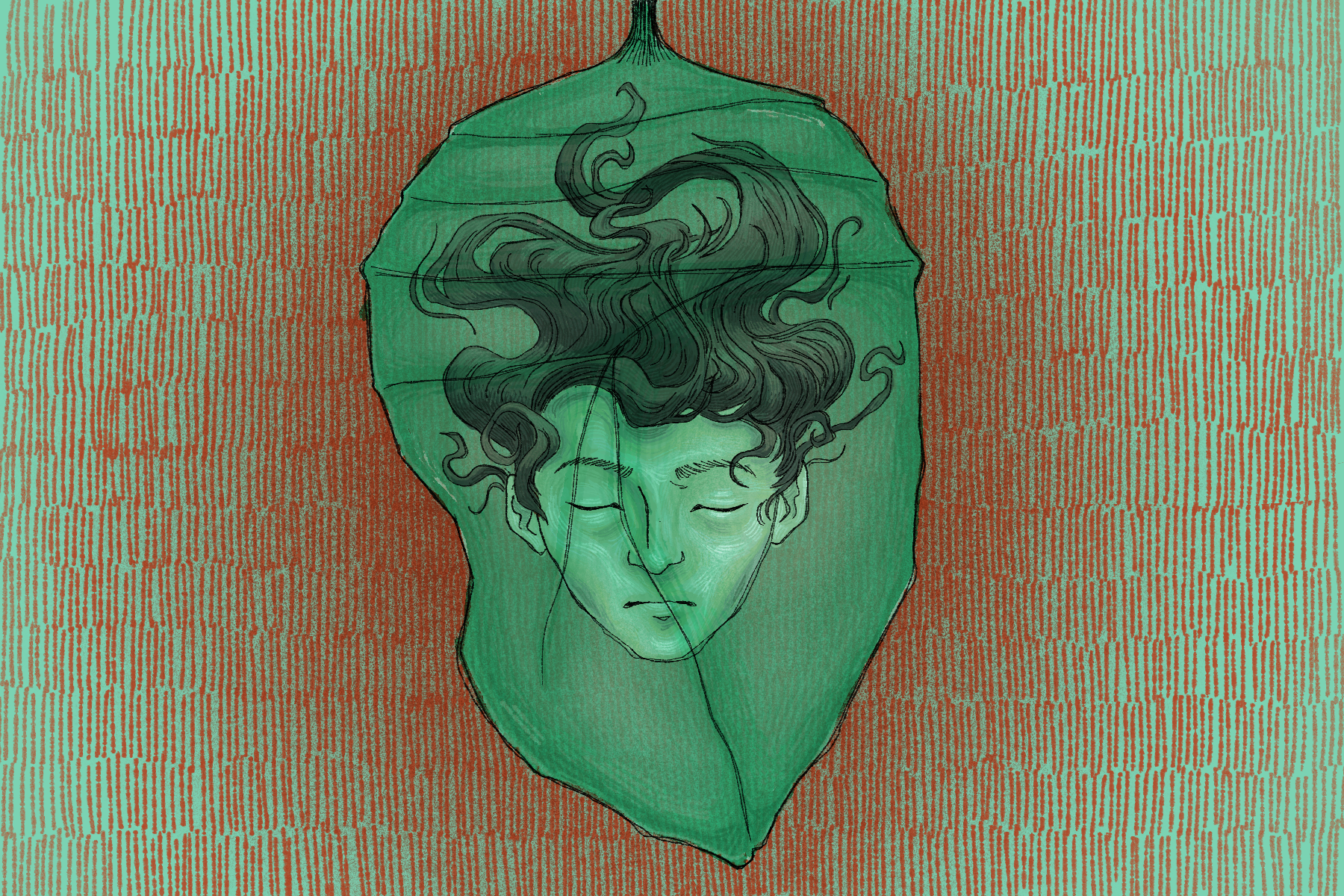
Like when a caterpillar becomes its butterfly, sometimes we have to melt our insides into their constituent guts — marinate in our own nucleic fluid — until we are ready to become something new.
By the end of my sophomore fall, I was freshly out of my first relationship and drained from what it took from me. I had prioritized it over my life at Stanford. I found myself tracing a worn path between my room and the cold morning air of Berkeley; emotional fatigue like a steady stream of unassuming carbon monoxide entering my lungs until I couldn’t breathe anymore.
Paris was my cocoon. I studied abroad in sophomore winter, having made the decision six months beforehand with my friend. After I got off the plane at l’aéroport Charles de Gaulle and greeted my host dad at his place in the 15th arrondissement, I set my luggage down and slumped onto my new bed. Drifting off to sleep, I was confronted with nothing more than regrets, musings and the nostalgic murmur of my own consciousness.
When I woke up, it was five hours later. My lamp was still on. I heard a knock on my door. Opening it, I faced my host dad, who smiled but sternly reminded me to turn off the lamp before I went to bed. This was my first taste of the cultural differences between France and the United States and, particularly, between Paris and Stanford.
There was a strange sense of calm that rested over the city of two million; walking out on the street, the loudest thing you’d hear was the whir of a bicycle wheeling by or the quiet pam-pom of the fire trucks. In the winter, there was a crispness to the air that you just couldn’t get in the Bay, a sweetness that reminded me of my home in Chicago.
At the program orientation, our director made us aware of the culture shocks we would experience during our ten weeks abroad: a general quietness, the tendency to avoid the use of heaters or AC or room lights unless necessary, the proper way to say hello (with a smile, great enthusiasm and an acknowledgement on the time of day — bonjour versus bonsoir). The most surprising thing she listed was the French concept of work-life balance. Most of the population had a strictly bounded nine-to-five workday, with an entire month off in August during les grandes vacances.
This calmness, then, was founded upon the method by which the French carry on their lives. This sort of relaxation, the general abandonment of cortisol and the appreciation of spending time on fleeting things like food or company, was something I would never find in the States, let alone on a campus supported and insulated by grind culture.
No matter where you went in Paris, grind could not catch up to you. If you were trying to lock in, it would be at the local cafe where you were too scared to order in broken French but you were nice enough to get a smile when you tried, where the people around you were never on their laptops but instead engaged in a conversation with their friend. In America, cafes are a quintessential lock-in space; in Paris, you get dirty looks if you so much as pull your laptop out because of the distraction it provides to the ambience.
If you wanted to spend the weekend working on a “personal project,” your Parisian friends would have other plans, and you’d quickly find yourself undulating to French rap at the outskirts of the city or white-girl dancing to ABBA in the basement of a jazz bar. The environment which surrounds you is not one of a constant need to perform and produce, but one that prioritizes leisure and the slowness that life has to offer.
Most of all, if you wanted to work to distract yourself from your thoughts, you’d still be forced to sit in them during the time between those work sessions. On my morning commute from Porte de Versailles to Notre-Dame-des-Champs, I found myself stumbling through the snow, avoiding puddles of rain, picking up a jambon-beurre and racing to the metro before the doors closed, all while my thoughts crescendoed in my head until they became unignorable.
At Stanford, I could ignore my thoughts through work or consuming non-classy amounts of alcohol. In Paris, my daily commute quickly forced me to confront myself: my independence, my inspirations, who I was and why I was in Paris and where I wanted to be.
I flutteringly flipped through my own pages, a fresh sequence cold off the presses, an encyclopedia of transcripts I gathered after hitting autopilot the moment I moved into my frosh dorm during NSO. In these daily ruminations I began feeling the air pass through my lungs again, a hole in the cocoon, as my proteins weaved together in a new pattern and gained some new sense of self.
I fell in love with Paris because it slowed my life down in a way nothing else, and no one else, could. Intentionally placing myself far away from home, I had the opportunity to exist in stasis and truly confront myself while absorbing the low-stress cultural traits that define Paris.
My wings are still unfurling, but I’ve learned that the time spent in silence, swimming in one’s own genetic selfhood, is crucial to the next stage of our lives, to realize the truths that will calibrate our paths forward.