
Stanford University is one of my favorite places in the world. It’s gorgeous and sunny and shining nearly every day. It’s chock-full of opportunity, the smartest people you can imagine, grass on which to lay and trees to gaze up at.
And it’s in the middle of the suburbs.
Don’t get me wrong, there are incredible things about that! I have never been scared to frolic about campus in the dead of night. Jasper Ridge Biological Preserve is a shining gem of nature just down the road. But a lot of what makes Stanford pristine also creates a level of… boredom.
In my freshman year, I heard countless times that there was only one solution to the Stanford bubble: get a car.
But that couldn’t be further from the truth. In my first year, I got away from campus nearly every weekend. I didn’t have a car, and I didn’t break the bank doing it. Here’s how:
The Caltrain and Marguerite
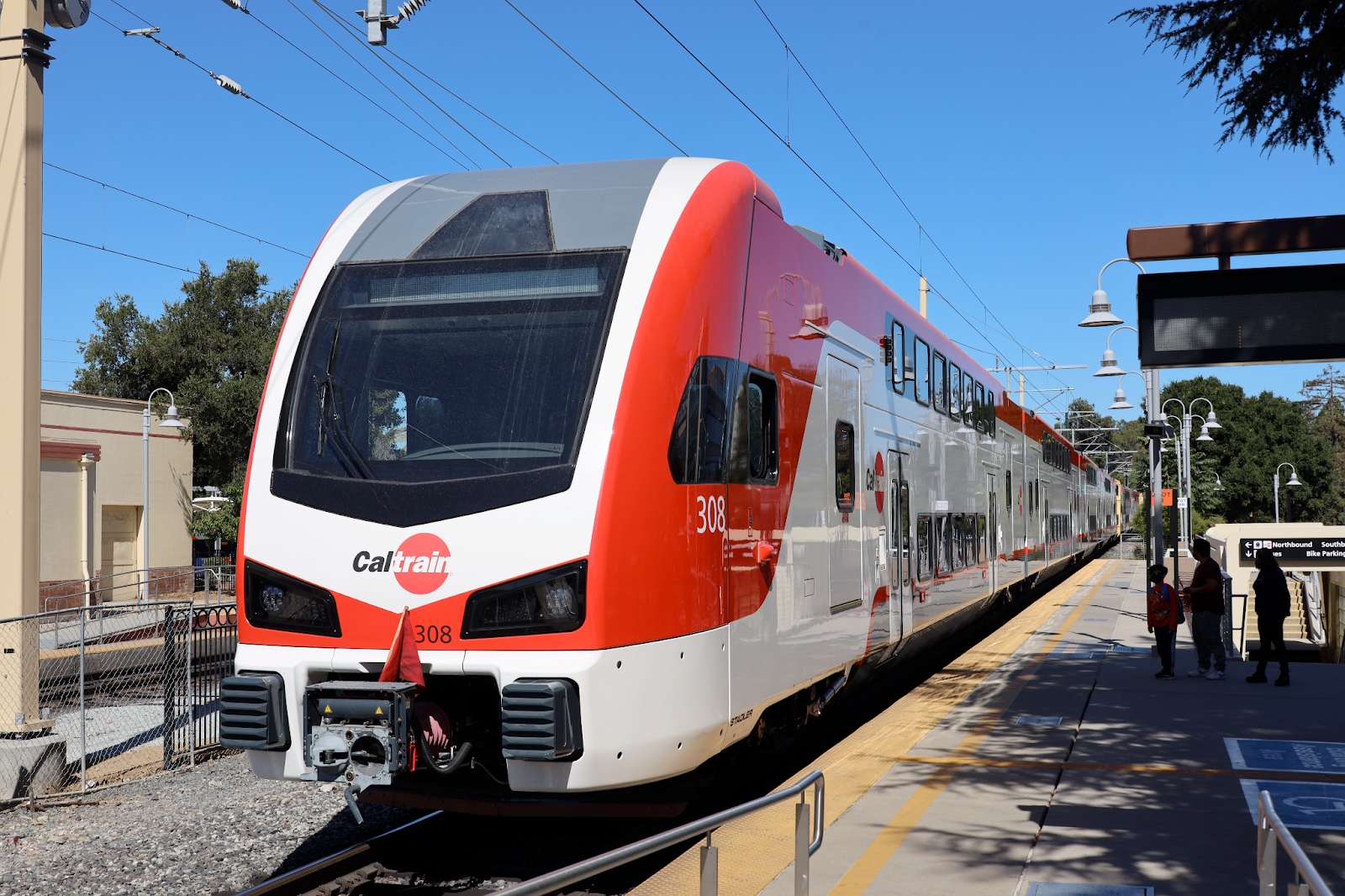
The Caltrain and the Stanford Marguerite are a formidable force when combined. For the uninitiated, the Marguerite is a series of bus lines Stanford affiliates ride for free. They are clean and comfy and, quite frankly, gorgeous by the standards of the American transit system. They run all across campus — and slightly beyond if you want to go to Redwood City, the Stanford Shopping Center or the Palo Alto Caltrain Station. Yes, that’s right! It takes you straight to your gateway to the Bay Area — the Caltrain.
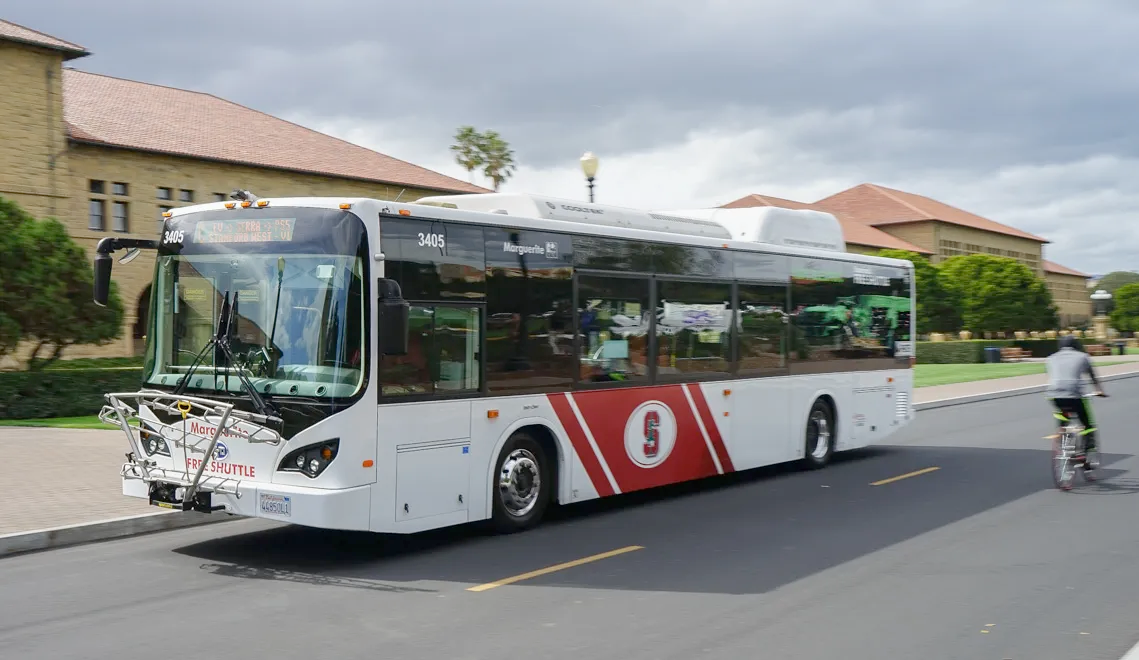
Ever since the Marguerite adjusted its schedule recently, these two systems have worked really well together. You can often move from the Marguerite to the Caltrain or vice versa with very little waiting time.
The Caltrain, too, recently underwent some exciting changes. Since last summer, the train is now fully electrified, meaning the ride is faster, smoother and more frequent. If you miss your train during peak hours, you’ll only have to wait about 15 minutes for the next one. Even at its slowest, the most you’ll have to wait is about half an hour. This change has revitalized Caltrain in one fell swoop, with ridership jumping 76% from June 2024 to June 2025.
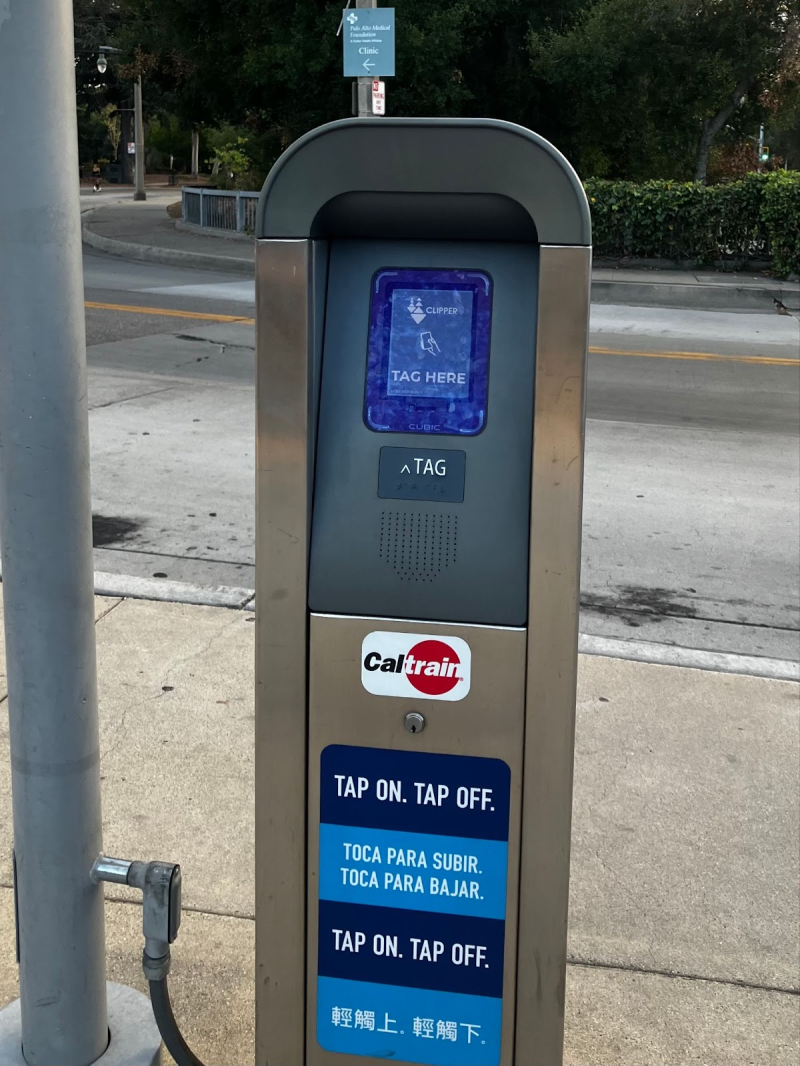
But the Caltrain, unlike the Marguerite, is not free. Before your first trip, you’ll need to download the Clipper app (or purchase a physical card for $3) and load money onto the card 24 hours prior to use (just to be safe). Then, be sure to tap your card or phone at the reader at the station where you board Caltrain and the station where you get off. If you forget to tap off (it’s so very easy to forget, so do be vigilant!), you’ll be charged for the entire length of the Caltrain route, not just the select stops you rode.
For planning purposes, both Caltrain and the Marguerite show up as options when you search for public transit routes on Google and Apple Maps, but if you want to double-check, check out the schedules for Caltrain and the Marguerite (pro tip: driving directions are available on both apps offline if you download the maps for the area, but Apple Maps will show you transit directions offline, too).
Buses and Bay Area Rapid Transit (BART)
I’ve watched many a transit YouTube video, so yes, yes, I know that San Francisco’s public transit system is far from the best in the country. But it’s adequate! And it’s much cheaper than buying a car, so understanding how to navigate the system is incredibly useful.
First, let’s talk buses. Bus lines are certainly most concentrated and reliably operated within San Francisco itself, but there are plenty of buses running around Palo Alto as well. For all these buses, be sure to check the schedule with your favorite map application. Because these run on streets, they run into traffic and are frequently either early or late. You’ll need to request your stop by pulling the yellow cord along the windows of the bus or pressing the button on the standing poles or the bus will continue on to the next stop.
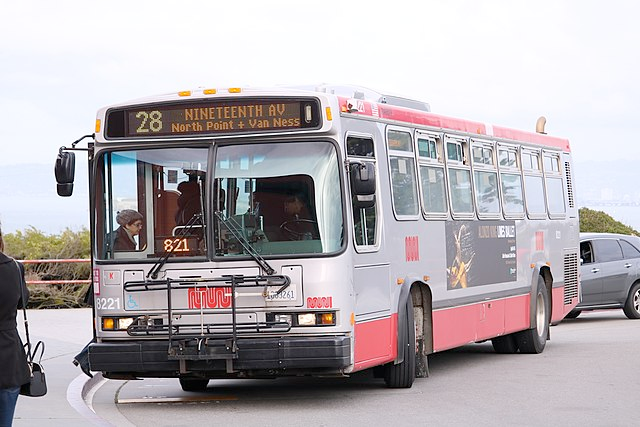
To pay for the bus, it’s a flat fee. Whether you’re riding for two stops or 20, you pay the same amount by tapping your phone or Clipper card to the reader as you enter the bus (no need to do anything as you exit except thank the driver).
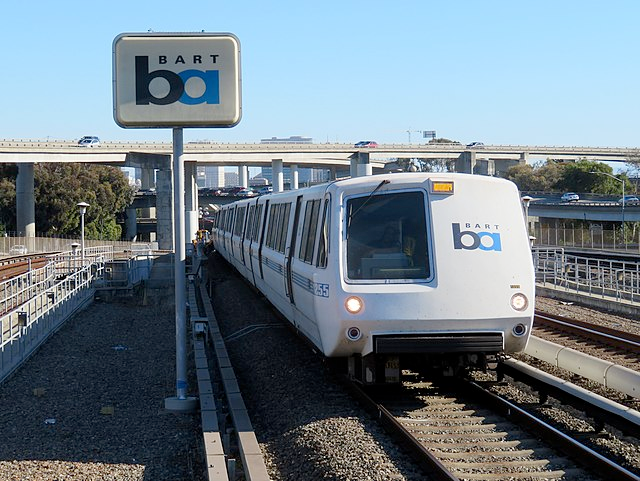
BART, the subway-like system servicing the Bay Area, has a distance-based pricing system. You tap your Clipper card (or any credit/debit card) to enter the station and tap it to exit, meaning you pay per stop you traverse. And unlike buses, BART lines have a preset list of stops to exit on, so there’s no need to request your stop at the right time.
As a more personal aside, Students for Sustainable Stanford (a club I am a team leader in, although I have no involvement in this particular program) runs $5 airport shuttles to SFO and SJC at peak times to help students get to the airport more sustainably and at a lower price than ride shares. When I’ve flown at funky times and there wasn’t an airport shuttle available to me, I’ve also been able to take the Caltrain to the Millbrae station and then BART to the airport — it just takes a lot longer!
Your own two legs
As a self-professed lover of walking, the slower pace always reminds me that beauty abounds on Stanford campus — a breathtaking sunset here, a glimpse of mountains through trees. It’s easy to be moving so fast that you miss out on appreciating it.
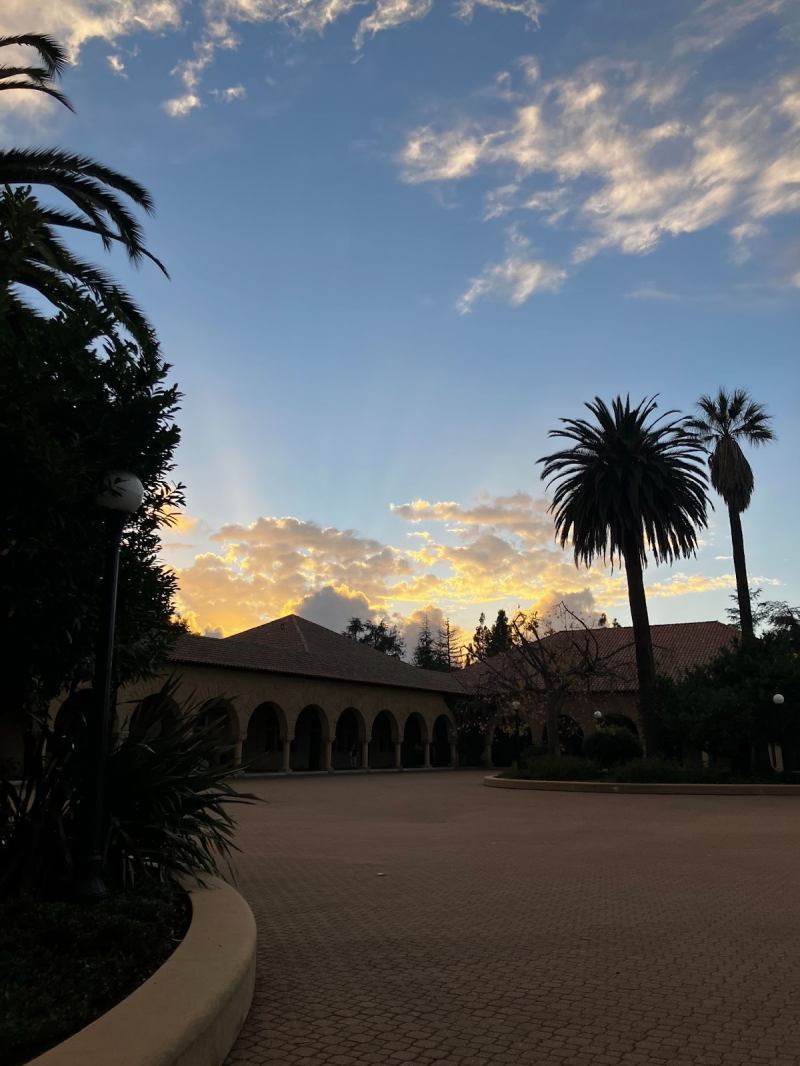
But even I have to admit that it takes incredibly long to walk anywhere fun off campus.
If you have a bike (or a scooter or a skateboard), getting to California Avenue, University Avenue or downtown Menlo Park is a quick and easy trip. But where the potential of transit can truly be unlocked is when you couple biking or walking with buses and trains.
For example, if you load your bike onto the Marguerite then take it on the Caltrain, you can reach much of the Bay Area via bike, even if the area at hand doesn’t have a robust bus system. Similarly, if you’re amenable to a 20-minute walk here or there between bus transfers when exploring San Francisco, virtually every corner of the city becomes accessible to you, no Uber required.
Zipcar and ride shares, oh my!
Now if all of that sounds absurdly complicated and not worth the headache, that’s because sometimes, it is. Even a notorious cheapskate like myself can admit that if the bus ride takes two hours instead of a ten-minute Uber, maybe it’s just not worth the time. I tend to use ride shares like Uber or Lyft sparingly, when it feels impossible to justify the time and complicated logistics or when it saves me worrying about my safety walking around San Francisco alone at night. And when traveling with friends, the cost split three or four ways is typically much more reasonable.
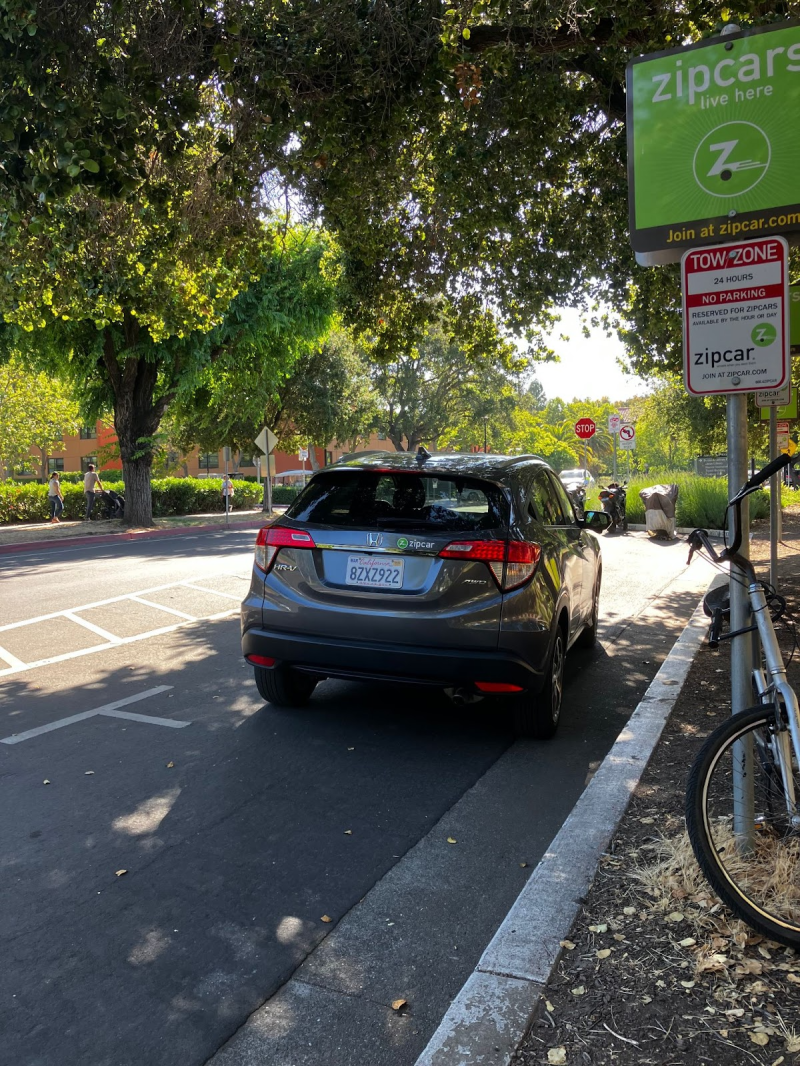
However, if you know you have a bunch of longer trips planned soon where a ride share would be exorbitant and public transit too daunting, consider a Zipcar subscription. You can always cancel it if you never use the service anymore, and it affords students under 25 access to short-term car rentals. There are several Zipcar parking areas on campus, so pickup and return are made far easier than a rental car typically is.
And, while it doesn’t directly serve Stanford campus, the Palo Alto Link is a subsidized rideshare service that can drop you right at the edge of campus for far cheaper than an Uber or Lyft. A regular ride costs only $4. It has a very specialized use case: the Link won’t get you out of Palo Alto, and it only runs weekdays 7 a.m. to 7 p.m., but it’s yet another option to know about just in case the perfect opportunity arises. Maybe you want to easily dash over to Mitchell Park after class for your runs, who knows!
Befriend some car owners (become a respectful leech)
Sometimes, you just can’t get around it. That camping trip you’d like to go on, finally visiting Lake Tahoe or the road trip your friends have been dreaming up for years — you’ll need a car.
For car-less students, that means you’re always going to be leeching off your car-owning friends in these situations. There’s nothing wrong with that, goodness knows the parking situation on campus would not benefit from every single student owning a car, but it is possible to be a respectful leech. The kind of leech your car-owning friends won’t mind taking on more camping trips or helping you move out at the end of the year.
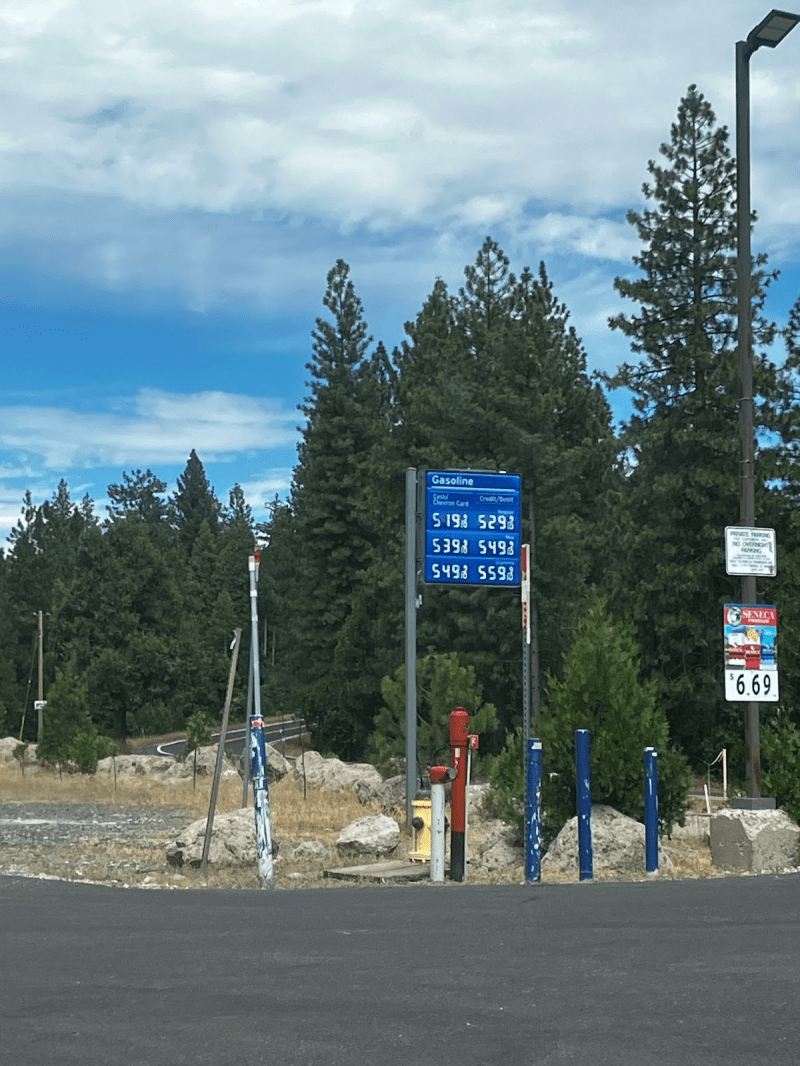
Most importantly, remember that they’re doing you a favor. This costs them time (driving! So tiring!) and money (gas! So expensive!), so treat them in kind. Thank them for driving, and offer to chip in for gas early on so they don’t have to be the one to bring it up. I know it sounds like common courtesy, but it’s these small things that really make a difference in ensuring the driver feels appreciated and is willing to help you out again.
While each of these methods have their shortcomings, frustrations and costs, I hope you can see how planning ahead and knowing your way around these systems can broaden the places you can access. Let’s pop that Stanford bubble.