
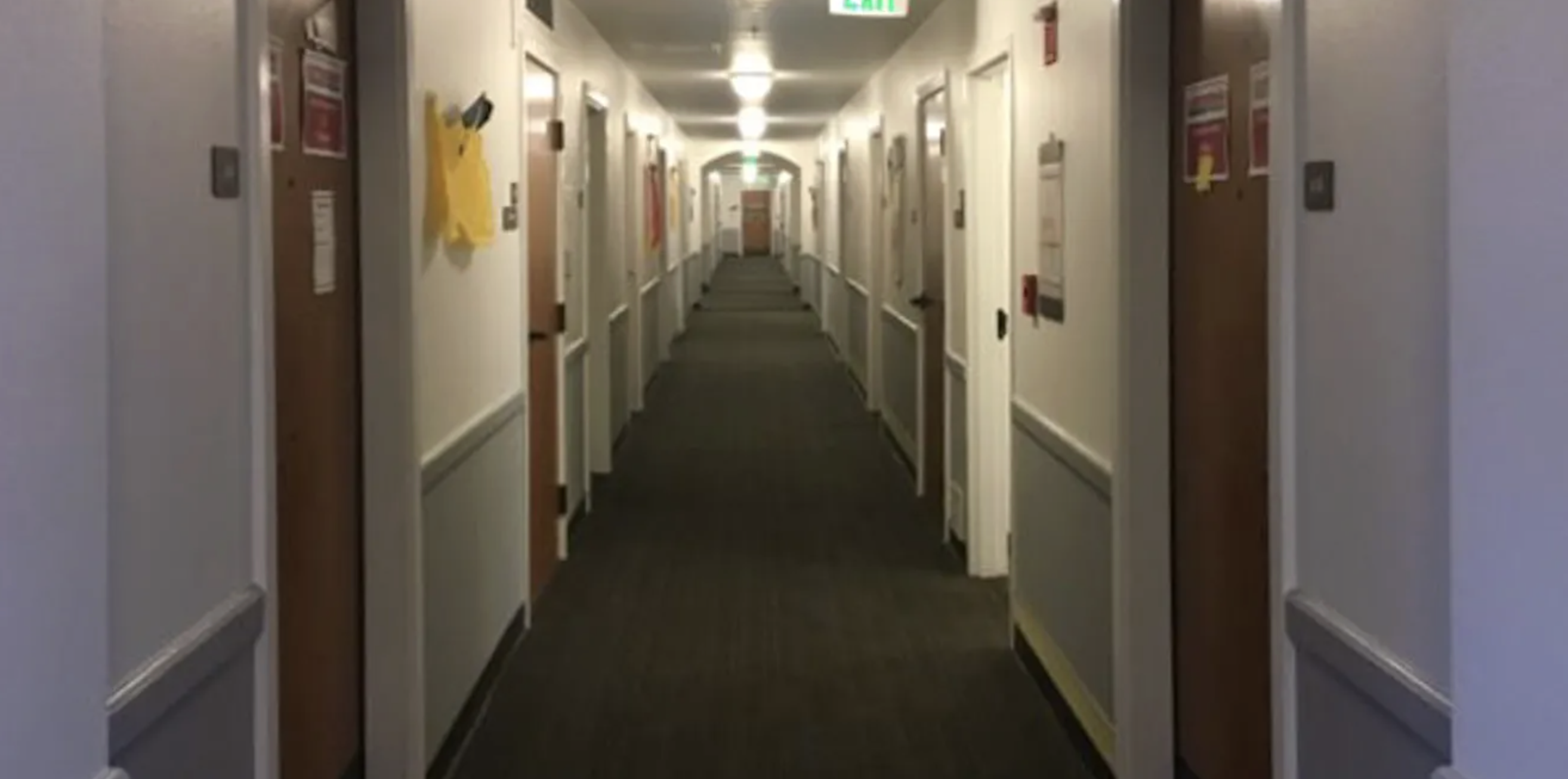
Dorms across campus have been facing higher rates of Residential Assistant (RA) vacancies this year. According to current RAs, Residential Education (ResEd) has neglected to fill the vacancies this year, leading to understaffed dorms and strained student leaders.
“Every single person who is not at their typical staff capacity is struggling,” said Gio Jiang ’26, a current RA and Kitchen Manager for Terra. Terra is currently at six RAs instead of their typical seven, and Jiang is now the sole Kitchen Manager.
According to RAs, the unfilled vacancies have gone unaddressed and somewhat unnoticed despite the fact that they have attempted to communicate their struggles with ResEd upper management. Jiang stated that she has spoken multiple times with the administration, “through multiple mediums” and has not received the adequate support she’s requesting, despite the fact that her Residential Director said she would advocate for her.
The role of an RA varies widely depending on the type of dorm, but always serves as a first point of contact for students and a community builder for the residences. While a cooperative house, or co-op, RA may be focused on kitchen operations, frosh RAs, on the other hand, play an integral role in introducing frosh to Stanford, creating bonds in their dorms and transforming the halls into a place students can call home. They also serve to protect and promote the health and well-being of their residents.
Last Friday, one self-op did receive notice, after submitting a formal complaint, that their vacancy will be filled at the start of the winter quarter by a fully trained staff member. This vacancy has been unfilled since the beginning of the quarter.
Though members of the co-op now know the vacancy will be filled, they say it comes after months of confusion and struggle. Two other RAs claim this is the only understaffed house they know of at this point that has received word from administration of their vacancy being filled.
“I fear that not even all of the ResEd staff is aware,” said an RA from an understaffed frosh dorm, who asked to remain anonymous for fear of retaliation.
“When a student leader is released from their position, this occurs in alignment with the expectations outlined in the Terms of Agreement that student leaders sign upon accepting their appointment. ResEd aims to approach these situations consistently, providing coaching and developmental opportunities whenever possible,” Lisa Caldera, the associate dean for student support in ResEd wrote to The Daily. “Student leaders across ResEd are regularly, and will continue to be, supported by professional staff, RFs, and other peer leaders.”
RAs also say they did not know filling vacancies was going to be an expected aspect of their job.
“I had no idea that the vacancies were going to be a part of our job expectations,” said the community manager of a self-op house with a kitchen, who also requested to remain anonymous for fear of retaliation. The RAs of this self-op communicated that they feel they “are on thin ice” to communicate these opinions because of how “evasive” administration has been.
“Everybody [in administration] is kind of bouncing it back and forth and deferring the responsibility to one another. And so far, we’ve received no support,” Jiang said.
Because of the vacancy in Terra, Jiang was left to struggle to quickly teach the remaining RAs the required kitchen skills. She also stated that she didn’t feel the training for the kitchen job prior to the vacancy was sufficient.
“You have such a huge responsibility to the well being of your residents, in a much more material way. If you don’t do your job, if you’re just tired, and you slack off on one of the days, there may not be groceries [for the co-op] next week,” Jiang said..
Other RAs note how these vacancies have interfered with their ability to function as not only a worker at Stanford, but as a student too.
“Being an RA while being understaffed has taken a toll on my mental and physical health and wellbeing and significantly impacted my ability to succeed and thrive as a student at Stanford,” said another community manager at a co-op, who also requested anonymity for fear of retaliation.
RAs are uncertain as to why ResEd hasn’t been filling vacancies as they have in the past. Some RA’s credit it to what they think are future plans to dramatically cut the number of student staff, including RAs.
Others note the dismantling of the neighborhood system and shifting of leadership as potentially playing a role in this year’s changes. Stanford also underwent budget cuts this summer that resulted in significant layoffs.
“You’re so fearful for retaliation from the University for talking about the fact that you’re tired,” said the RA from the frosh dorm.
Other understaffed dorms, in addition to Terra, include Branner and Rinconada, two all frosh dorms, and ZAP and 586 Mayfield, formerly known as Kairos.
Emmanuel Angel Corona-Moreno ’26 was released from his RA role at ZAP during training over the summer, leaving the house with three RAs instead of the intended four. Administration states that firings this year, like in years past, have been in line with the Terms and Agreements RA signed when hired.
Corona-Moreno said he missed five days of training while he had COVID and one day prior to that, unrelated to COVID. Once he informed ResEd of his absence on Thursday, after having missed the days, he was immediately released from his position. He noted that administration did not reach out to him earlier that week, in response to his prolonged absence.
“I genuinely wish they had done more to work with me, or even to check in on me for having missed so many days,” said Corona-Moreno. “And I will not make any comments on names, but there are people that have missed the entire two weeks [of RA training], nothing happened to them.”
There is currently a petition circulating from students to reinstate Corona-Moreno and begin filling RA vacancies, highlighting the common grievances and fears of RAs.
“I think we’re tired and we’re stressed. In terms of our jobs as a whole, the repercussions people are facing are really unequal. We don’t have equal protection for the same actions, which is scary,” the frosh RA said.
“I definitely think the school has an oversimplified view of really what it takes to be an effective RA because I think the school has an oversimplified view of what it takes to nurture actual community, instead of just polite community… in order to really make a place of residence be a home,” Jiang said.
This article has been updated to clarify the co-op status of two houses.