
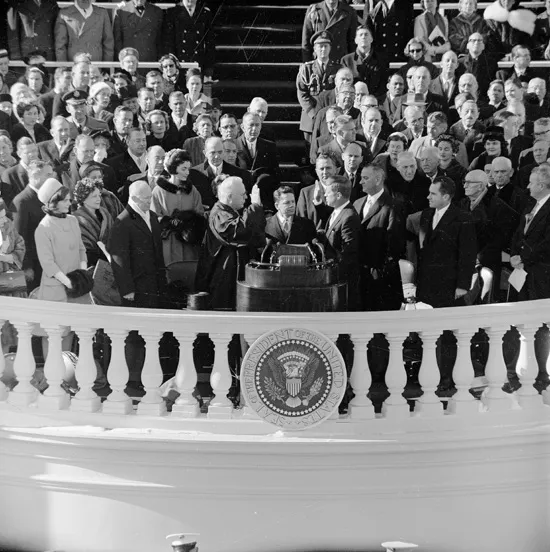
As President John F. Kennedy reminded us at his 1960 presidential inauguration, democracy has never been sustained by comfort. At the heart of every enduring democracy lies a single virtue: civic sacrifice — the willingness to give to your neighbor, the vulnerable and the public good.
Last Tuesday, Stanford held its fifth annual Democracy Day, with events from 10 a.m. to 9 p.m. Arguments around turnout and campus culture aside, the event failed to live up to this virtue of civic sacrifice of putting others before ourselves. What should’ve been a day to call on students to take up causes aligned with their values, to disconnect from their busy lives on campus and answer a higher calling of serving our community, became a day of self-gratification disconnected from this very mission.
A place like Stanford — so often isolated from the rest of the Bay Area, let alone the country — can be isolating and consequently, many students feel as though anything they do here won’t make a difference. But as professor Adam Bonica highlights in his Democracy Day op-ed piece, “In nearly every democratic breakthrough of the past half century, the spark came not from parliaments or boardrooms, but from campus quads, lecture halls and late-night conversations among students who refused to accept the world as it was.” Stanford’s own history of student activism highlights the indispensable role of students in these democratic breakthroughs. Therefore, you’d expect Democracy Day to be a continuation of this storied democratic tradition: Students taking action for the society, causes and institutions that we all care for.
Moreover, at a time when ICE agents are separating parents from their children and half a million Bay Area residents are starving due to the SNAP cuts, Democracy Day should’ve been a call to action. But when I attended the day’s events as a panelist and participant this year, I was shocked to see how disconnected it was from this spirit of action. I kept asking myself, how does a button-making station or narrative workshop speak to the larger issues facing our democracy? Even my own panel, which was on the incredibly important subject of the First Amendment, lacked a call to action. Instead of talking about the First Amendment, I thought, shouldn’t we mobilize to protect the First Amendment rights of international students, who are losing their legal status because of their involvement in peaceful protests and publications? In fact, of the 32 events on the Democracy Day calendar, there was only one service activity: “Assembling Early Literacy Bundles.” The overwhelming majority of the events were panels (10) , workshops (11) and dialogues (8). If Democracy Day is about impact, shouldn’t the events center on service rather than speeches and participation over panels?
Democracy Day deserves not cancellation or defunding, but transformation — one that directs its energy outwards towards a diverse and complicated country, rather than inwards toward an increasingly insular campus community. In other words, for Democracy Day to succeed, we have to get off campus. Concretely, rather than spend tens of thousands of dollars on free t-shirts, food vendors and guest speakers, we ought to use Democracy Day funding to take students to community service initiatives around the Bay and California, or bring those service opportunities to campus. These activities may include volunteering at a food bank (many of which are currently overwhelmed with SNAP dependees) or joining an immigrant advocacy group to inform immigrants of their rights and teach them about American civics.
But there are those who say that we’re asking too much of students. If students aren’t already going to panels with celebrity speakers and free food and drink, why would they spend the day serving the hungry or helping immigrants navigate the legal system? It’s a fair question — full-time students already have enough on their plate. But democracy has never been sustained by comfort. It demands more of us, as Kennedy reminded us a generation ago: “ask not what your country can do for you, but what you can do for a country.” Long before him, another American President, Theodore Roosevelt, inspired that same spirit in journalist William Allen White, who later wrote that Roosevelt “poured into my heart such vision, such ideals, such hopes, such a new attitude toward life and patriotism and the meaning of things, as I had never dreamed men had.” As the next generation of leaders, we must carry that energy and idealism forward into the next chapter of our American experiment.
And to parrot the words of President Kennedy once more, we serve our democracy not because it’s easy — or for the free food and Democracy Day t-shirts — but because it’s hard.