
In his column “Acrademics,” Alexandre Acra ’26 sheds light on the ins and outs of Stanford and Silicon Valley culture.
Dear Acrademics,
The world around us seems to be losing rigor and specificity by the day — after all, with our lives run by probabilistic models, how can we be expected to reason deterministically or precisely?
I urge you, readers, to lean into the vibes instead: with this column, I hope to handwave every week about the general feelings and trends of Stanford and its surroundings, with a vaguely academic flair. This brings us to this column’s name — academics, but off by a bit (and self-indulgent). I hope to leave you with lighthearted food for thought, and hopefully not writing a counter-essay titled “I hate the letter r.”
This week, let’s situate ourselves in Stanford’s cultural moment, with the Acrademic intersection of math and philosophy. Encyclopedia Britannica tells us that “René Descartes […] was a French mathematician, scientist, and philosopher. Because he was one of the first to abandon Scholastic Aristotelianism, because he formulated the first modern version of mind-body dualism, from which stems the mind-body problem, and because he promoted the development of a new science grounded in observation and experiment, he is generally regarded as the founder of modern philosophy.” In this essay, I will…
Sike! — that doesn’t sound like the handwaving I promised. Let’s focus on the fun bits that Descartes left us with instead — the Cartesian plane, and the often misquoted wisdom that “comparison is the donor of joy!” (Encyclopedia Britannica)
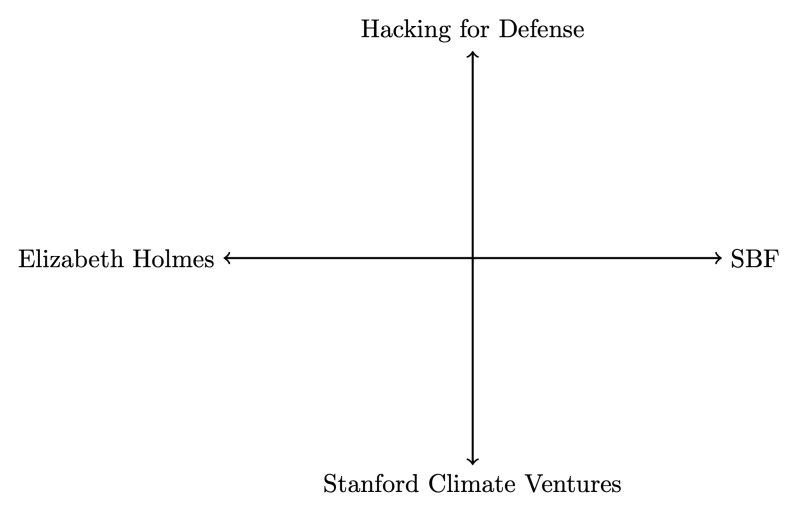
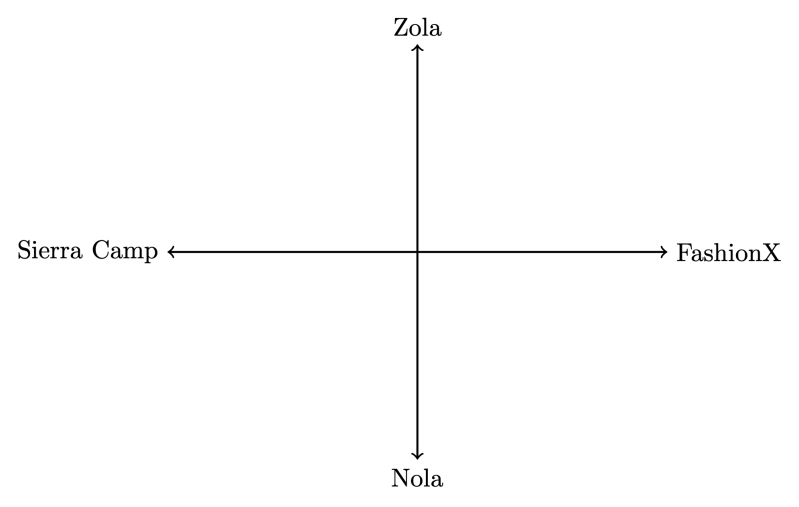
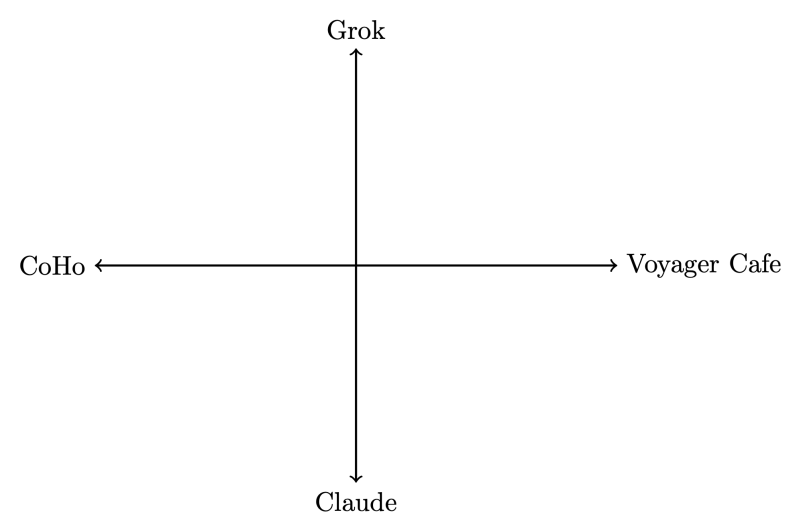
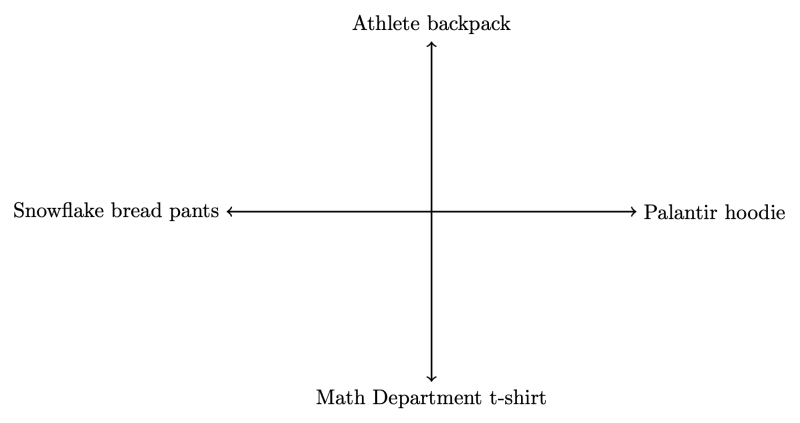
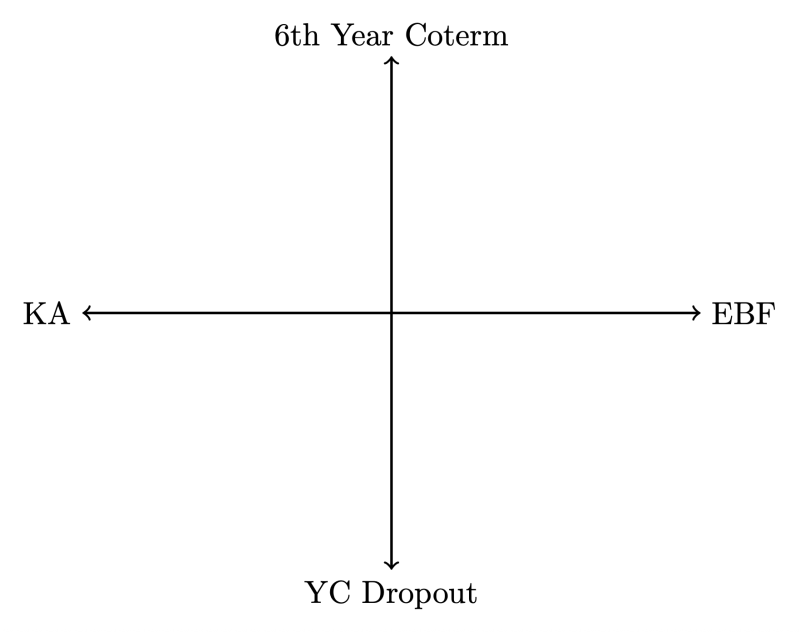
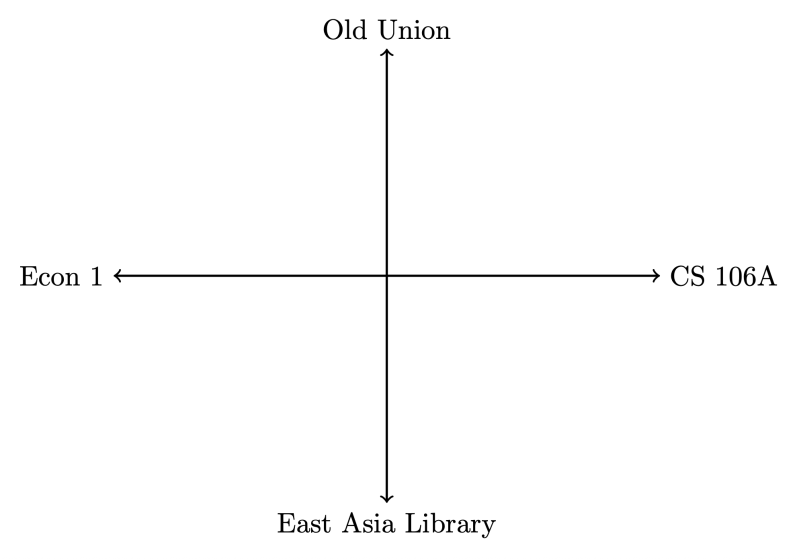
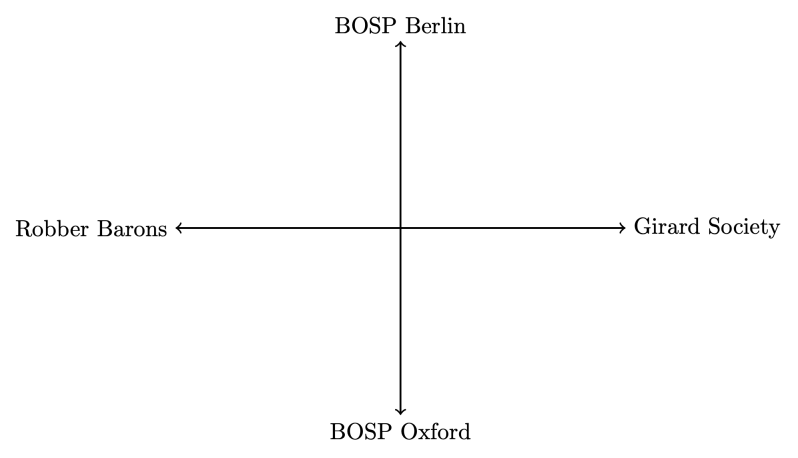
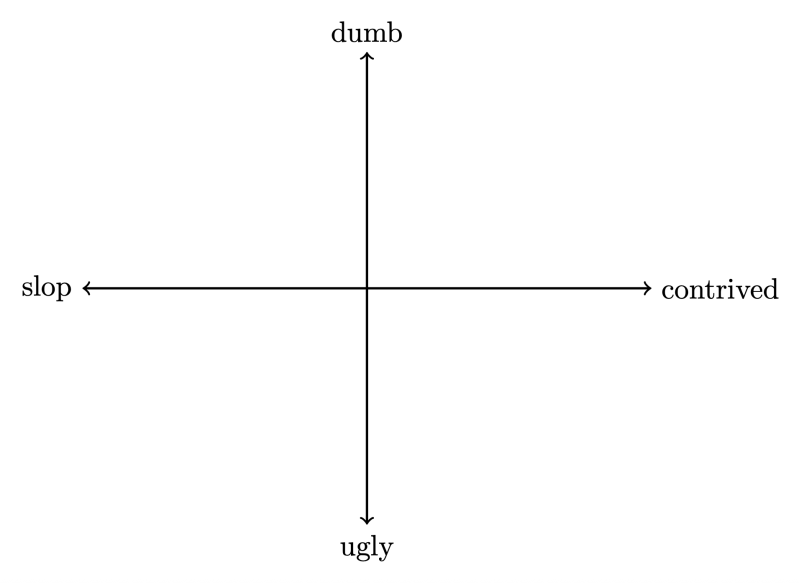
So, I give you this week’s vibe quantification, via Stanford’s favorite dorm whiteboard activity — plot yourselves, your professors, your favorite (campus) celebrities and your enemies on some axes I perceive to define our present cultural moment.
For the founders…
For my friends refusing to read this…
For the AI (Safety or Danger?) Experts…
For the fashion-forward…
For the nepo babies…
For the freshman PSet warriors…
For the performative…
For the reductive…
To those who read this far, thank you, and see you next time for more oversimplification of The Farm.