
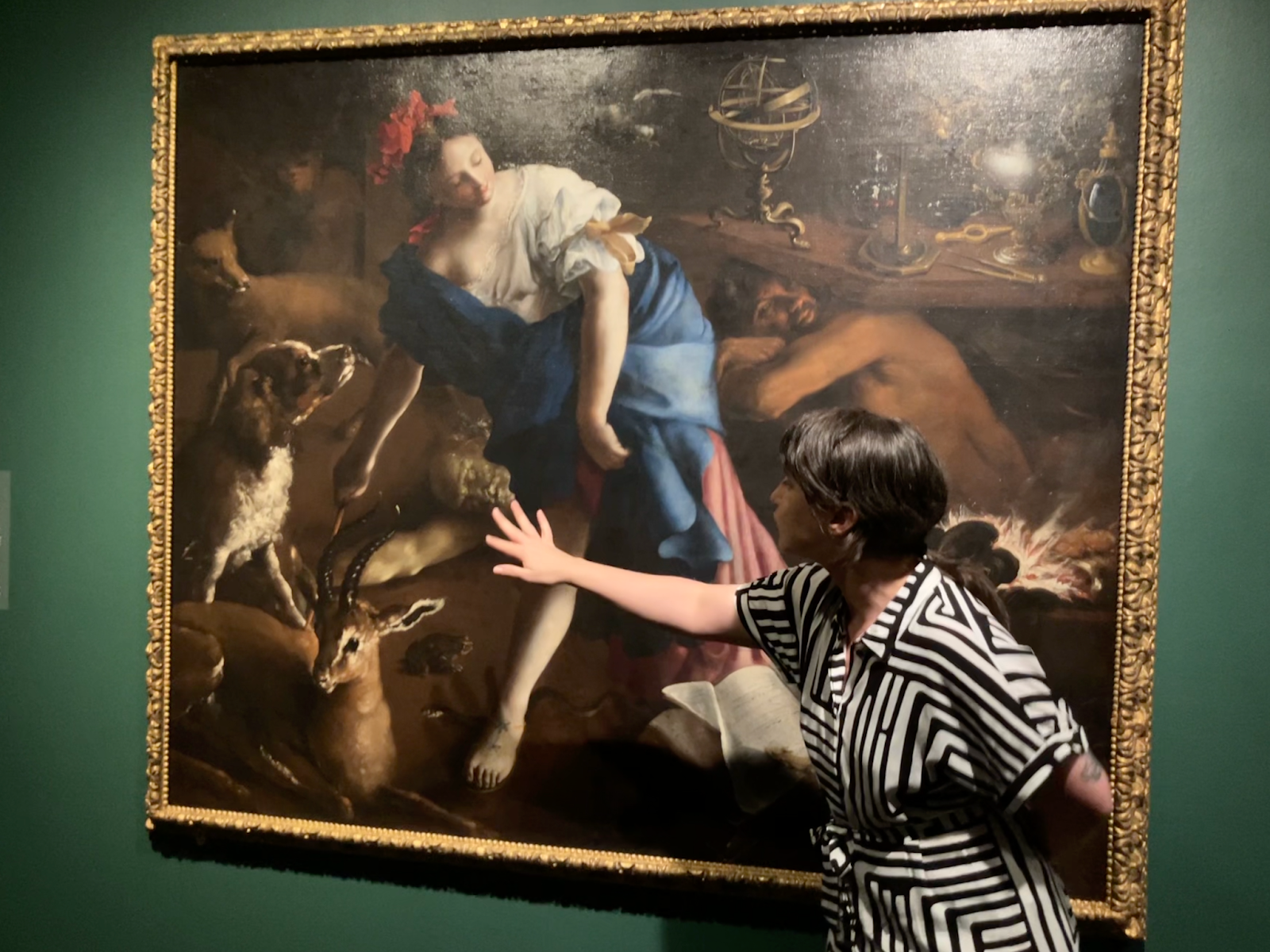
Witches have cast a spell on culture in the past few years. The “Wicked” movies plunged millions of viewers into a world where green skin, pointy hats and broomsticks are everyday wear. “Witch beauty,” characterized by aquiline noses and smoky eyes, briefly took over TikTok and Instagram. And seeking the help of Etsy witches became an acceptable form of revenge for a cheating ex. Clearly, everyone is looking for a bit of magic.
Perhaps this cultural fascination with witches explains why dozens of people flocked to an Oct. 25th curator talk for the “Cunning Folk: Witchcraft, Magic and Occult Knowledge” exhibition at the Cantor Arts Center. Having opened on Oct. 15, “Cunning Folk” will be on view until Feb. 22.
During the curator talk, visitors lined up against bottle-green walls, crowding outside the doors. Sara Lent Frier, curator and specialist in 16th and 17th century Northern European art, stood in the center of the room.
When the Cantor Arts Center tasked Frier with conceptualizing an exhibition that showcased their archival holdings, from paintings to everyday objects, she immediately gravitated towards witchcraft.
“Everybody knows what the word ‘witch’ and the word ‘magic’ means,” Frier said. “I knew for that reason it would speak to lots of people.”
Despite the display’s mass appeal, “Cunning Folk” defies expectations. Historically, most media themed around witches has reduced them to their oppression. The Cantor’s exhibition instead encourages “people to feel curiosity” toward the everyday practice of witchcraft, Frier said.
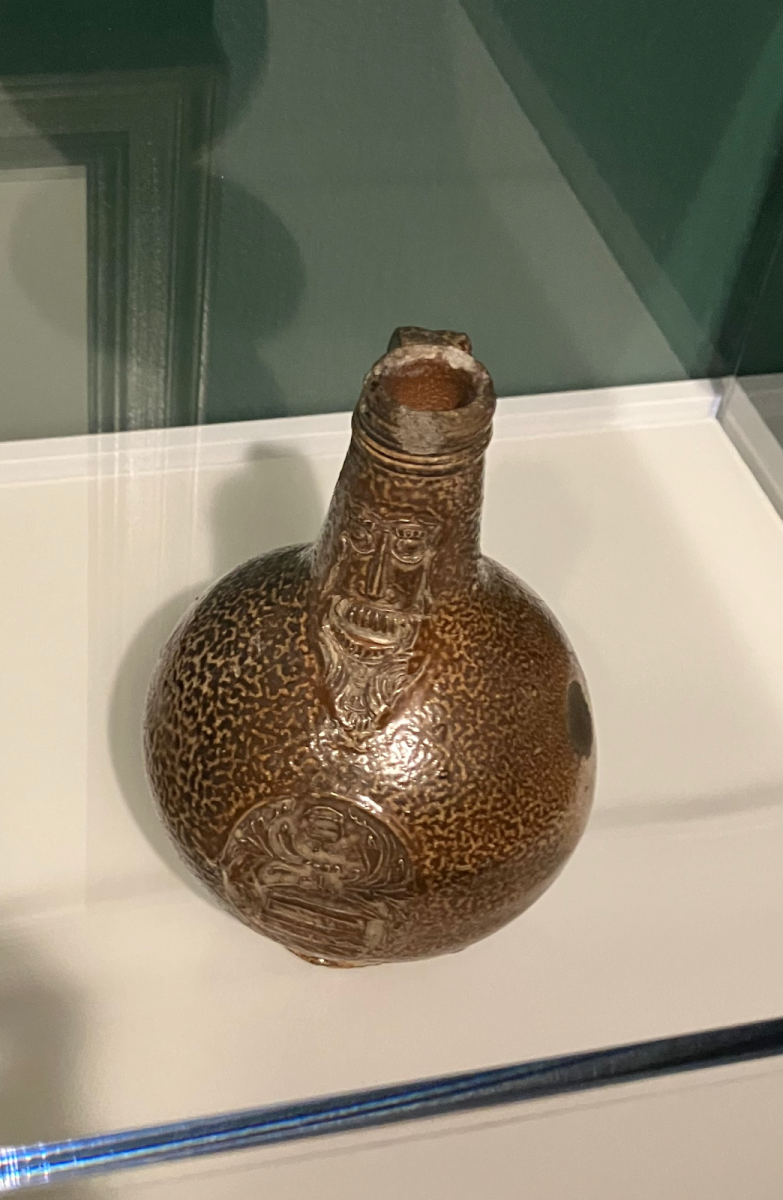
Magical tools like grimoires and “witch bottles” sit alongside placard descriptions of witches as “cunning people” within their local communities. One placard mentions that “people turned to local cunning folk to resurface lost items, heal ailments, promote luck or love, and defend against misfortune or even witchcraft itself.” In some cases, magic crossed paths with science, as “early modern health care depended much on the traditional knowledge of women and cunning folk,” reads the blurb.
The exhibition only explores witch trials through written accounts found in newspapers and witch-hunters’ journals; Frier opted to exclude any graphic images.
“There’s a lot of really violent artworks about this subject, but that’s really hard for some people to look at,” she said. “I didn’t want that violence to overshadow what is also a very positive story as well.”
While attendee Tim Scallon initially felt disappointment at the “historical fear, demonization and superstition” that cunning folk faced, he was also intrigued by the “courage” they showed, he said.
The exhibition broadly celebrates witchcraft’s evolution and reclamation — how witches persevered for centuries amid a hostile society.
Although the last witch trial occurred over 140 years ago, Frier believes that these histories remain relevant. She drew parallels between the persecution of witches and the Trump administration’s recent crackdown on higher education.
“The story of magic is about power in knowledge and power in learning,” Frier said. “[This issue has] never been more pressing than it has been recently, if you’re on a college campus. The policing of different ways of knowing the world and of certain types of individuals who represent that knowledge is very dangerous.”
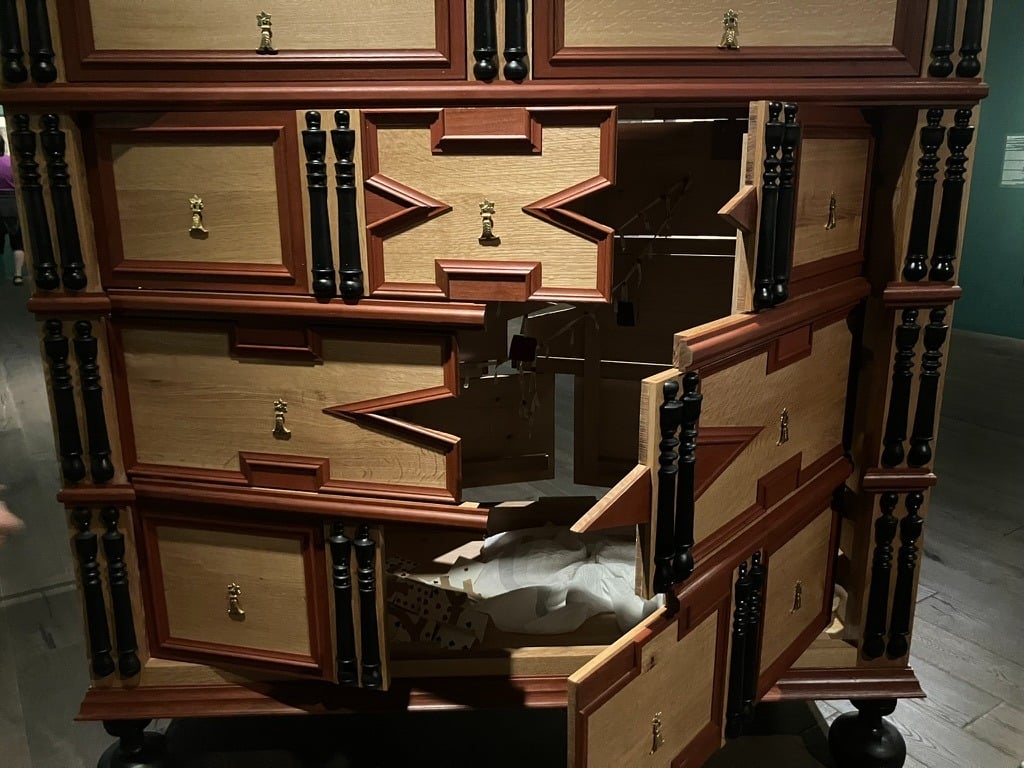
“Cunning Folk” is a historical show with one foot in the modern era. Large-scale works by contemporary artists stand alongside 500-year-old engravings. The centerpiece of the exhibit is an old-fashioned bureau, its bottom drawers gaping open to reveal a web of ritual objects made of wax, twill and iron. This is the work of San Francisco-based artist Sunny A. Smith, whose ancestors participated in the Salem witch trials. The assemblage replicates a Smith family heirloom.
Smith invited a descendant of Elizabeth Howe, who was executed at Salem, to help consecrate the bureau. According to Smith’s artist bio, the piece became a “portal for transformation and speaking with ancestors . . . opening up possibilities for repair in the lineages.” By including contemporary art, Frier “wanted to offer access points [for modern viewers] into an otherwise pretty historically specific show” and ultimately steer away from the portrayal of witches as fictional, exaggerated characters.
The message reached visitors. Attendee Khwaish Billore ’26 enjoyed “the [thoughtful] reclamations of the figure of the witch,” noting that “a lot of fantasy [portrays witches] in a very girlboss way. It’s fun, but it often ignores the actual early modern perceptions.”
While “Cunning Folk” forgoes Elphaba for Circe, Frier isn’t asking exhibition-goers to boycott “Wicked” or leave green paint out of their Halloween costume.
“The pop cultural element is also awesome and great, and I love that stuff too,” she said. “But I wanted to represent the history.”