
In her column, Iman Monnoo ’28 dissects the failures, successes and future direction of animation.
Editor’s Note: This article is a review and includes subjective thoughts, opinions and critiques.
This review contains spoilers.
Like many of us, my childhood was defined by classic Disney movies — “The Princess and the Frog” (2009), “The Lion King” (1994), “Beauty and the Beast” (1991). The list goes on. When the theater lights went down and the iconic theme song began to play, I could feel the audience take a breath: we all knew the film would be magic.
But those days of wonder have long passed. Today, we are seeing some of the biggest box office failures from a studio that once dominated the world of animation. When it comes to original intellectual property (IP), Disney seems to have lost its touch. Just look at “Elio” (2025), Pixar’s latest dip into the pop-culture realm of space, stars and rocketships. The film follows the titular young boy who finds himself beamed up to the Communiverse, a parliament where aliens from different galaxies gather to pool knowledge and negotiate disputes. Once there, he must navigate intergalactic warlords, extraterrestrial friendships and make it back home.
Upon first watch, I was faced with two glaring questions. One, “Why is this 11-year-old in a cosmic United Nations?” And two, “Who asked for this?” The global audience seemed to agree with me. In fact, the film marked the lowest opening weekend in Pixar movie history, grossing around $154 million worldwide from a $20.8 million domestic debut. After such a devastating blow, I wondered if what we were witnessing was truly the death of Disney animation. But what led audiences away from the company that, in many ways, defined an entire generation?
One possible cause could be the oversaturation of sequels, prequels and live action remakes: I’m looking at you, “Snow White” (2025). In an interview with The Hollywood Reporter, Disney CEO Bob Iger confessed that the company does not give “priority” to new IP over existing content. With films like “Lightyear” (2022) the main issue is a lack of attention towards creating a genuine storyline and an overreliance on nostalgia. In a kind of metafiction, “Lightyear” was supposed to be the movie Andy watched in the universe of “Toy Story” (1995) which Buzz the figurine was later based on — try explaining that to your five-year-old.
With a plot so loosely linked to the popular franchise, the promise of Buzz Lightyear on our big screens wasn’t enough to bring back old fans. As one viewer on IMDB said, “not since Cars 2 has a movie with the Pixar label missed this badly.” Likewise, the studio seemed to forget that such content inevitably leads to comparison. If a full-length feature on Buzz Lightyear doesn’t live up to the hype of “Toy Story” (or at the very least, try to), your audience is going to have problems with it.
Now, don’t get me wrong, making a good sequel isn’t impossible. After all, we were all there for the smash hit that was “Zootopia 2” (2025). This is a case study of a sequel done right, with a whopping $1.8 billion box office run that made it the second highest grossing animated film of all time. Yet, what made “Zootopia 2” so endearing was its commitment to real storytelling. The protagonists were both given the space to grow as characters, with Judy having to rein in her controlling nature and Nick learning to be a mature partner. Not only that, but it did so whilst maintaining the core relationship between the two that made the first film so powerful.
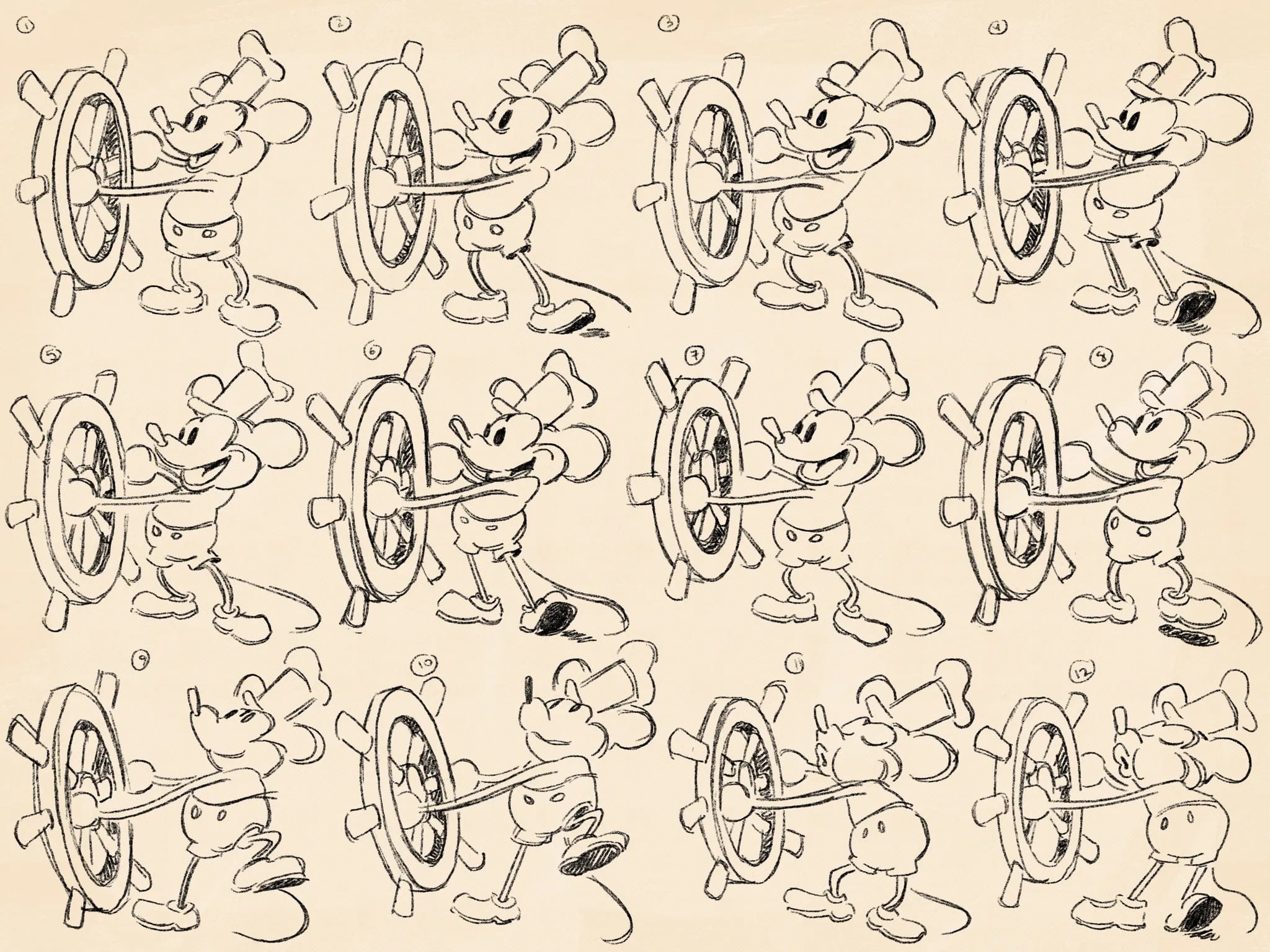
Similarly, Disney’s turn towards live action feels like a dig at its animation roots. At least outwardly, few at Disney seem to value how Walt Disney pioneered technology in the industry by engineering a multiplane camera that would add depth to 2D backgrounds. This revolutionary invention was the start to a burgeoning field that would change the genre of film forever. But now, the company seems to be neglecting animated forms in favor of live action and the reasoning is hard to pin down. If the success of “Zootopia 2” and “K-Pop Demon Hunters” tells us anything, it’s that there is an audience for the genre as a whole. Still, for fans of older Disney films, much of our nostalgia is rooted in the iconic hand-drawn animation. If the company hopes to reclaim some of its lost fanbase, pivoting back to their tried-and-tested 2D style might be the place to start.
When all is said and done, Disney is a studio with the money, audience and IP to make magical films the way it used to. Despite its creative weakness, animated films like “Elio” prove that Disney has the capacity to craft original stories. Now, it’s only a matter of applying their skillset — and I for one am waiting for the next Disney Renaissance.