
Editor’s Note: This article is purely satirical and fictitious. All attributions in this article are not genuine, and this story should be read in the context of pure entertainment only.
Amid staff reductions at the CDC and FDA, the federal agencies have now turned to surveillance tools to contain cyclosporiasis, an “explosive diarrhea parasite” spreading across the country. Cyclosporiasis symptoms only manifest themselves after 1-2 weeks, but researchers have traced the parasites to iceberg lettuce shipments delivered to Taco Bell.
“Parasites… they seduce you, but they really mess with your head,” said HHS Secretary Robert F. Kennedy Jr. “I’ve grown immune through a steady diet of raw bear meat.”
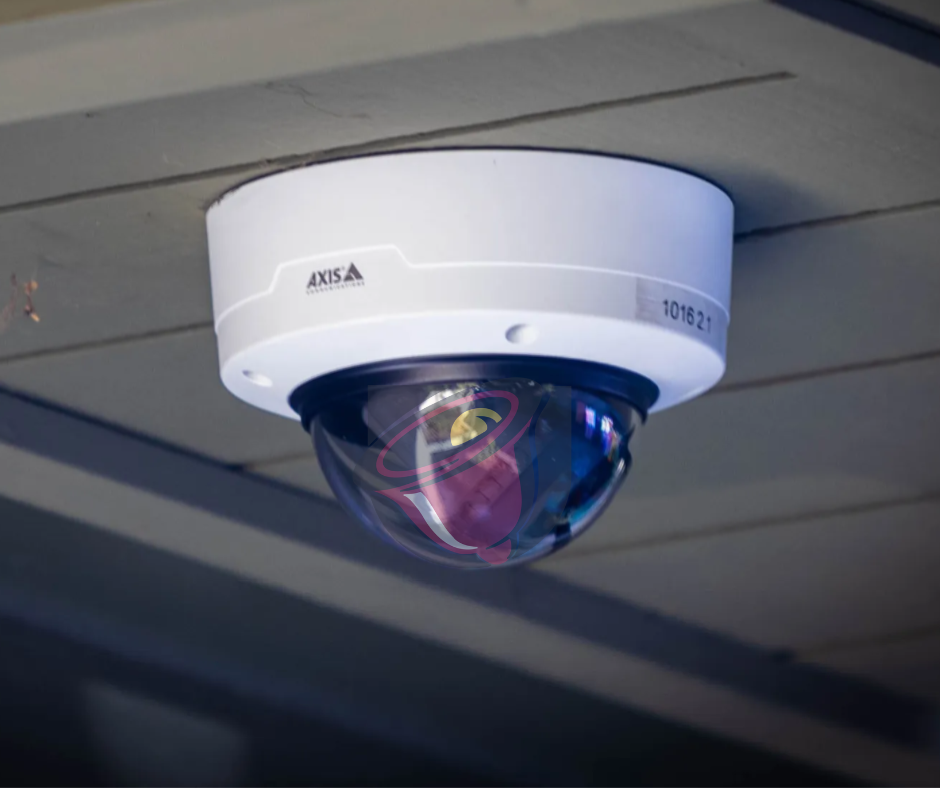
The nation’s health agencies plan to track possible carriers through technologies like automated license plate readers, or ALPRs, the most famous of which are Flock cameras. At the federal level, agents search through state and city Flock databases to track a car’s movement and query the system with searches like “cylcosoprisis,” “e.d. NOT erectile dysfunction!!! explosive diarrhea dammit” or “write an email to my boss asking for one week vacation.”
Herman Gran ‘04, a government analyst describing himself as “basically the guy in the chair… that chair, the porcelain one,” shared details with the Daily about the surveillance process.
“Most cities use Flock to catalog everyone that drives through a select list of restaurants: Taco Bell, Panda Express, Popeyes, Jollibee, Zareen’s… Occasionally an Olive Garden. Some officers use them to monitor the lines at Krispy Kreme, but that’s more about their lunch break than their detective work.”
“Whenever we get a hit, we send vans to collect these suckers for indefinite quarantine,” Gran elaborated. “Sometimes, we catch the infected right as they enter the doctor’s office.”
To keep up with Flock’s incessant alerts of potential cyclosporiasis cases, the CDC, FDA and HHS have undertaken aggressive recruitment pushes, including media campaigns and five-figure signing bonuses. Critics have attacked the agencies’ tactics as compromising American safety.
“They’ve cut down training hours, moving modules online when they should be in-person, arming them with bleach and fitting them for hazmat suits while encouraging them to medicate people even when they’re out-of-network,” said whistleblower Farrah Saide ’11. “Some think the bleach is for their veins, others their eyes… Only 31% know what HIPAA stands for.”
Despite not working for any health agencies, Kash Patel asked for an interview by Daily reporters, adding, “Do you like my hazmat suit? It looks authentic, right?”
Although Stanford has operated Flock cameras across campus for years, reports on the federal use of Flock have led the University to end its contract with the surveillance company. “In English, our motto reads, ‘The winds of freedom blow,’” said President Jon Levin ‘94. “I can’t imagine any interpretation more literal than Chalupa-induced flatulence.”
Although ALPRs have allowed the CDC to track tens more cases, health officials are still demanding more resources to track and record the spread of cyclosporiasis. Federal policymakers have promised a swift and thorough response.
“Effective January 1st, 2028, all bathrooms must operate cameras in every stall,” announced Speaker of the House Mike Johnson. “Gender-neutral bathrooms, 2027.” The Measure for Keen Audio-Visual Analysis Nationwide Assuring Urinary and Gluteal Health, dubbed the KAVANAUGH Act, enjoys broad bipartisan support in Congress.
Before I finished my interviews, Gran tapped my shoulder. “Wait, you’re from Stanford, right? Honda Civic, California plates, 6CBD232? I’m not going to lie, when you went to the 24-Hour Denny’s in Redwood City at 3am last March, it broke my heart. I know you had finals, but you texted your sister in January that you’d try dieting, so that just feels dishonest to me.”
Reporter’s Note: A private audit in Roseville, California found that Flock cameras misread 71% of the license plates it alerted Roseville police to, so take this jackal’s claim with a grain of salt.
Denny’s Waitress’s Note: In this case, however, the camera was correct. At least it provides tips.