
Chuck Schumer infamously said in 2016 that “for every blue-collar Democrat we lose in western Pennsylvania, we will pick up two moderate Republicans in the suburbs in Philadelphia.” This vocalization of the Democrats’ cold, calculating abandonment of rural voters was the prelude to ten years of electoral struggle for the party.
But tonight, Democrats across the country can finally celebrate a blue tsunami. As improbable as it seemed just one year ago, the Senate will be under Democratic control. They have done so on the backs of strong candidates that won rural states like Kansas and Iowa. North Carolina, Ohio and Texas also flipped for the Democrats, three states with some of the highest rural populations in the country. As of early Wednesday morning, even deeply rural Mississippi remains tied.
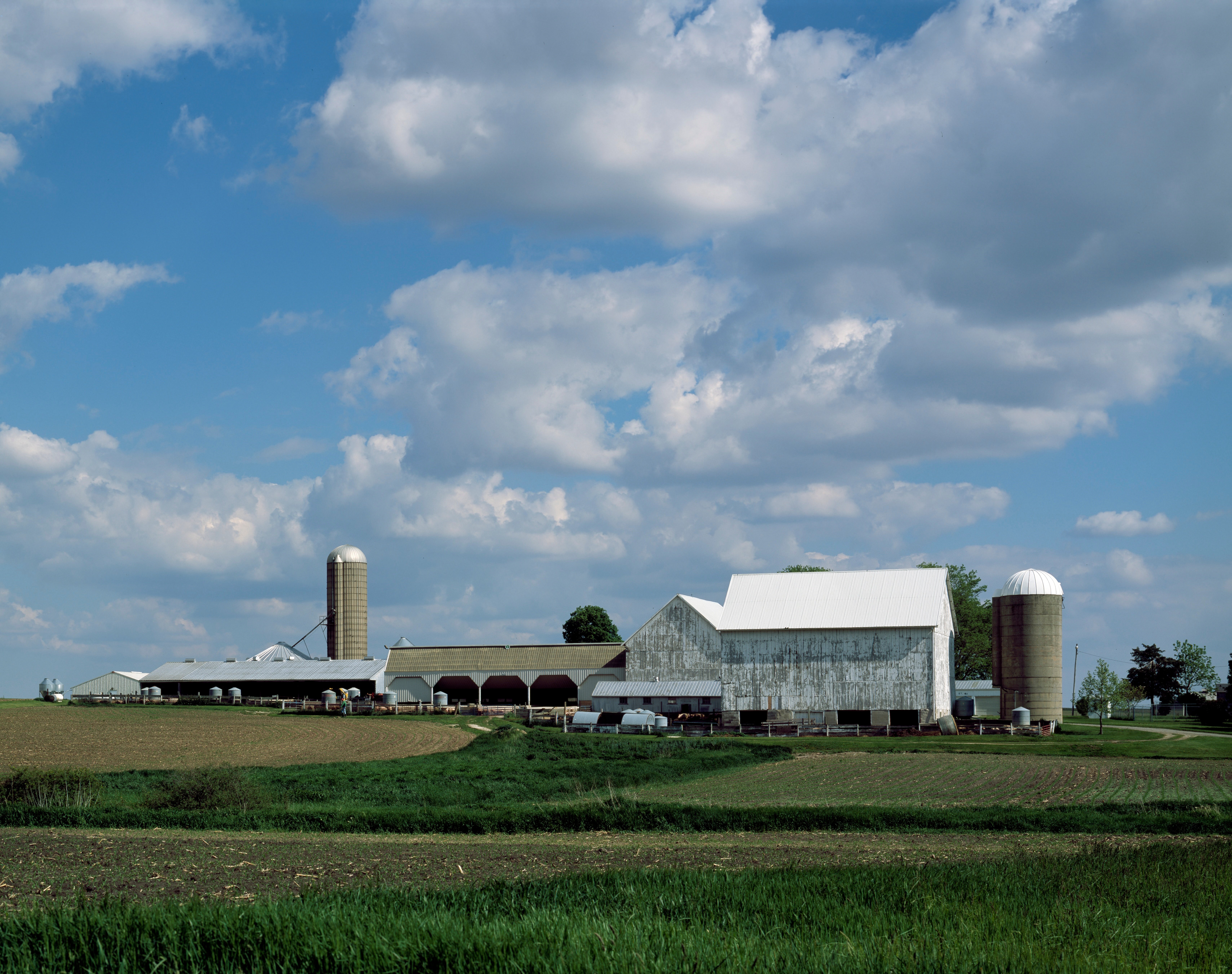
Democratic elation at seizing control of Congress should come alongside realizing a simple fact: the party cannot continue to neglect rural America. This midterm victory needs to be the impetus for Democrats to truly listen to and invest in the heartland as they look toward 2028 and beyond.
One reason is a simple artifact of the U.S. Constitution and the composition of our bicameral legislature. Sparsely populated states still receive two senators, and there are quite literally fewer people that a candidate in Wyoming needs to win over as opposed to a candidate in California.
The Senate has been the bane of progressives’ ambitious policy proposals since health care reform attempts of the early Obama administration. Would they not like to see robust Senate majorities that allow them to pursue their policy proposals? Why do so many call for the elimination of the filibuster as opposed to, perhaps more attainably, achieving a filibuster-proof majority? Whether simply holding the Senate or having a large majority is the goal, the reality is only 19 states have voted for Democrats in every presidential election since 2016. If Democrats hold every single Senate seat those states have to offer, that leaves them still 12 seats short of a majority in the chamber. They simply cannot contend only coastal and urbanized areas and expect to be able to pass legislation.
Built-in representation imbalances also affect the House of Representatives on a smaller scale due to its currently fixed size. Six states also have at-large districts, which are impossible to gerrymander. In a time when the House is so closely contested and most seats have been redistricted to heavily favor one party over another, the rural at-large districts of the Dakotas, Wyoming and Alaska are a boon for the Republicans.
A more important lesson Democrats need to take from their rural success in 2026 begins with why they did so well in those areas in the first place. After all, Kansas, Iowa, Texas and once-swing state Ohio have all been ruby red since 2016.
Some history helps inform why we see these states as solidly Republican today: turn back the clock to Barack Obama’s 2008 electoral romp and Democrats winning rural America would have been no surprise. Montana, South Dakota and West Virginia all sent incumbent Democrats back to the Senate while Mark Begitch flipped Alaska. It was also the last year to date that Democrats won House seats in the Dakotas and Idaho, and the last year they held the majority of House districts in Arkansas, Indiana, Mississippi, Tennessee and Wisconsin.
They then proceeded to squander this goodwill among rural voters. What exactly Democrats did to alienate rural residents is difficult to pin down – after all, policies such as the Affordable Care Act benefit rural areas. Some substantive economic issues, like a continued emphasis on free trade and deregulation over supporting agricultural and manufacturing jobs might have played a role.
Most importantly, perception matters. As someone from North Dakota and with family ties to the rural South, I’m well acquainted with the feeling of people I meet not even knowing exactly where the state is, or dismissing it as flyover country. Rural communities easily become the object of snide remarks about being boring, backwards or universally bigoted and racist.
When Democrats took policy stances on both economic and social issues that seemed to increasingly favor urbanites, rural Americans began to see the party as one of coastal elites. At the same time, the elaborate grassroots organizing framework of Howard Dean’s fifty-state strategy and Obama’s victories was dismantled in favor of Schumer’s favored strategy: win cities and the suburbs, simply outmuscling everyone else. They stopped trying – and rural Americans turned in droves to someone who would listen, who at least pretended to share their values and tend to their concerns.
Flash-forward to 2026. Take one look at two candidates who had massive breakthroughs on Tuesday night: Adam Hamilton, a Methodist pastor, and James Talarico, a career teacher. I see the common thread between them as community: for both, through churches, and for Talarico, through the community-focused role that schoolteachers often play.
Two other candidates who won on Tuesday show the importance of targeted economic messages. In Maine, Troy Jackson is a former logger and a longtime political champion of rural labor interests. Sherrod Brown, in his previous Senate tenure, was one of just a few Democrats who spoke out against free trade and fought for blue-collar economic interests.
With rural voters putting their trust back in Democratic candidates this midterm cycle, it’s up to the party to follow these blueprints of community and honest attention to economic issues going forward, lest they repeat the same electorally disastrous mistake of the 2010s.