
Waleed Haider ‘29 is the Co-President of Stanford Democrats.
Michigan on the precipice of Election Day felt like the eye of a hurricane. As a monsoon of midterm media noise crashed over the state, I campaigned for Dr. Abdul El-Sayed alongside a group of Stanford Democrats in Central Michigan. But the last-minute storm supposedly raging against him was nowhere to be seen.
As our Uber driver deftly navigated us to Lansing’s best shrimp spot, he told us that he was a government employee — serving the public by day, but driving Uber by night to make ends meet. He worried for the health of our government and was concerned about affordability, but the people in power seemed to care little about either of those things.
Not anymore.
The slew of Democratic victories in last week’s historic midterms are already being heralded merely as an inflation-induced “Blue Wave.” Undoubtedly, economic strife contributed to Democratic successes at the ballot box. But this narrative misses a broader shift that has taken place within the Democratic Party and the country writ large.
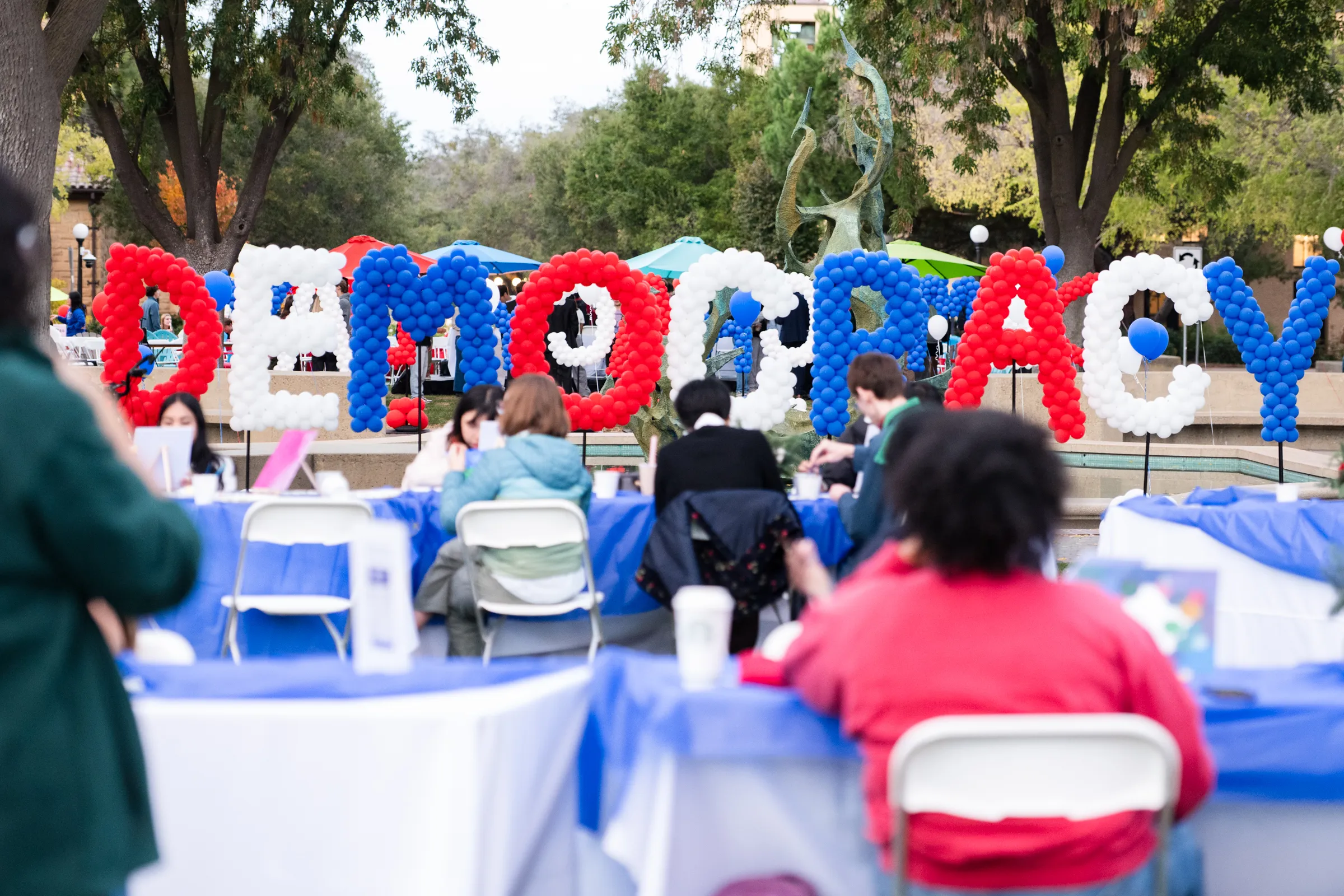
This shift saw Democrats win by building broad coalitions, learning how to fight back and tirelessly building a positive vision of government which lives up to American values: A red, white, and blue wave.
Democrats began by building a big tent. There were differences in the final vote tallies between Democratic candidates running for the same statewide offices, which some point to as evidence that some types of candidates are more “electable” than others. But the differences between candidates helped each of them in their respective races.
In Texas, Governor-elect Gina Hinojosa ran slightly behind Senator-elect James Talarico, but she played a pivotal role in turning out the Latino vote and targeting suburban voters who boosted both candidates. And in Michigan, Senator-elect El-Sayed won by seven points but fell slightly behind Governor-elect Jocelyn Benson; yet he drove record turnout for Michigan’s entire Democratic ticket in Michigan’s Arab-American community.
This same pattern played out in numerous other races. Americans have similar priorities, but they don’t think monolithically. Neither should Democrats.
Coalitions alone don’t win elections. They need to reach and inspire supporters. What I find most striking about these midterm victories is that they stemmed from unprecedented grassroots action. This groundswell began forming amid a bitter winter, when thousands of U.S. Immigration and Custom Enforcement (ICE) agents descended on Minneapolis in a national immigration crackdown. These agents weren’t there to keep the peace: they targeted citizens based on their ethnicity, tear-gassed protestors, and wreaked havoc on small businesses, all while wearing masks to instill fear and evade accountability.
But Americans fought back.
Far from featuring sunshine patriots whose advocacy only reached Instagram stories or CNN interviews, the depths of winter saw tenacious defenders of American liberties like Renee Good and Alex Pretti step up. Both were killed by immigration enforcement agents while nonviolently exercising their First Amendment rights. Those deaths mobilized Americans from the streets of Minneapolis to White Plaza here on Stanford’s campus to defend life and liberty as the foundations of our nation. What followed were the largest single-day protests in American history.
Anger at the Trump administration funneled into constructive efforts to put better people in power. At Stanford — a campus sometimes perceived as having a culture of political apathy — the Stanford Democrats saw an unprecedented surge in activity. At the New Student Orientation Service Fair, more frosh ecstatically joined the club than ever before. Every weekend this quarter, we packed vans and filled flights beyond capacity with students determined to make a positive change in communities across our country.
Making phone calls and hitting the campaign trail gave us perspective: voters were worried about their bills, and frustrated that their tax dollars were funding foreign wars and sponsoring ICE abuses rather than giving relief to working people. This civic spirit persisted across the country: turnout reached near-record levels, eclipsing the 2022 midterm elections.
This historic Democratic coalition faced resistance. In the closing days of the campaign, extremist Republicans and their billionaire backers tried to use offense as defense. Trump described Dr. El-Sayed as a “Jihadist”, and Dr. El-Sayed’s opponent, Mike Rogers, peddled false allegations that he supported the Muslim Brotherhood. In Texas, Attorney General and Republican U.S. Senate candidate Ken Paxton spammed out AI ads and transphobic mailers against James Talarico.
These candidates thought that spotlighting social differences would distract from an unpopular war and an economy that is failing for working Americans. Nobody cared! Americans of all stripes want to build a better government.
Now that work begins. When Robert Liu ‘28 and I became co-presidents of the Stanford Democrats, we wanted to remain active after election season. We’re giving students an inside track to governance by connecting them with mayors, legislators, and changemakers to help elected Democrats deliver on the mandate they’ve been given.
We’re also working on foundational skills: bringing in former candidates, campaign staffers and policy advisors to connect with students and offer meaningful insight from their careers in public service. My vision for the Stanford Democrats is an institution which supports students who want to build power way before and long after elections happen.
This wave of red, white and blue is not something I want to wash away. From state legislatures to governors’ mansions to Capitol Hill, I believe that this new brand of Democrats can and must make quick, tangible progress toward addressing the urgent needs of the people who elected them. Every American — from Uber drivers in Lansing to college kids in California — will benefit from an active, ambitious, and accountable government.
Rather than a hurricane gusting drama and chaos, I feel something else in the air: winds of change.