
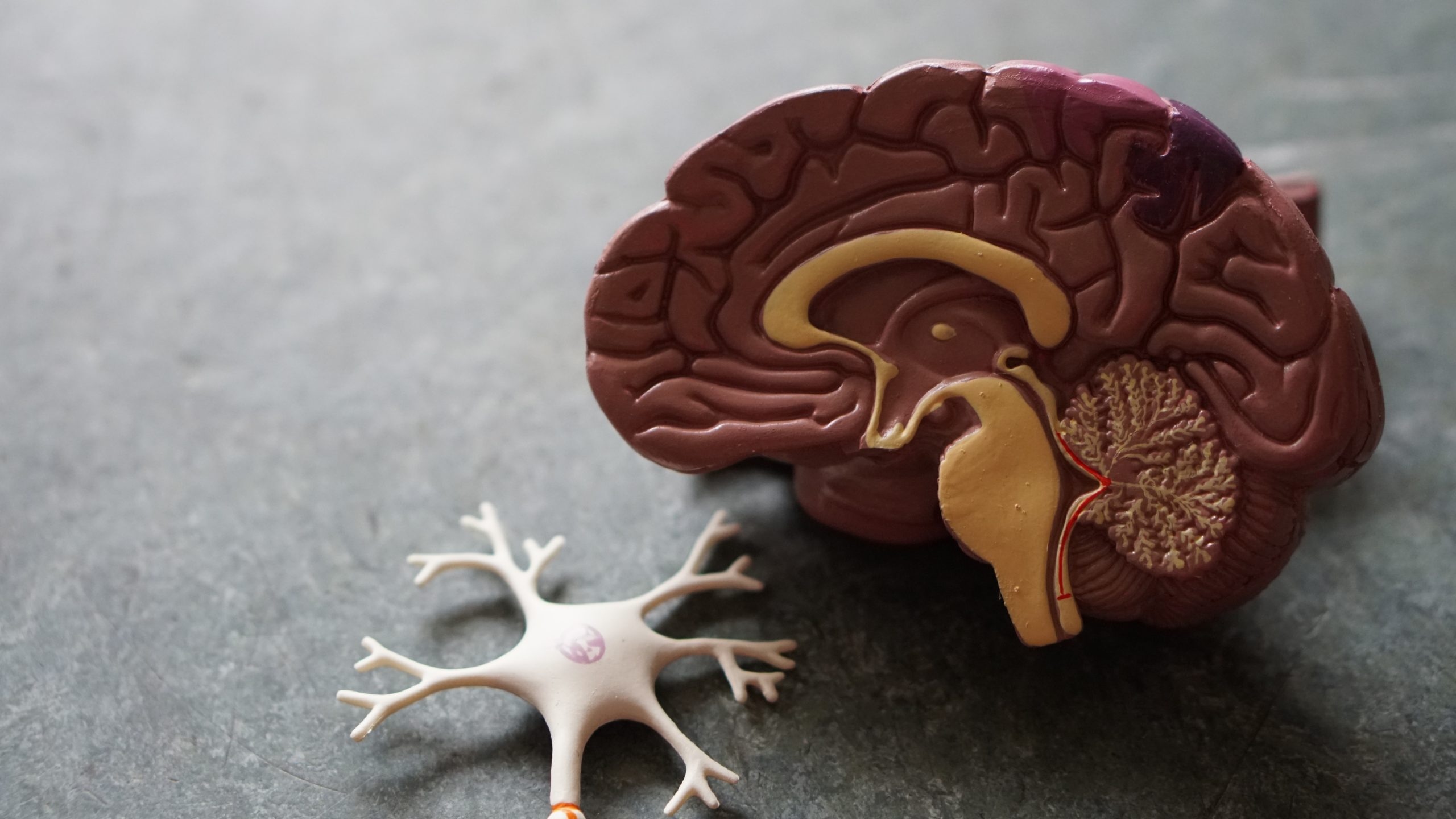
We live in an era where “mental health” is the new buzzword. It’s everywhere — from constant TikTok self-care ads to statements from politicians who suddenly remember their constituents’ pain, yet routinely vote against the very policies that would ease it. But for all the talk of “wellness” and “resilience,” we’re missing something. What if real answers aren’t found in motivational posters or mindfulness apps, but in the messy, microscopic data that tells us how the brain actually works? Neuroscience helps us understand what’s really happening in the brain. If we use that knowledge, we can build mental health care that’s not just more accurate, but more human.
Take the evolution of transcranial magnetic stimulation (TMS): a cutting-edge form of brain stimulation. A 2023 study from Stanford Medicine showed that accelerated TMS — delivered ten times daily over five days — rescued about 80% of patients from treatment-resistant depression. The treatment reversed abnormal flow of neural signals between the anterior cingulate and insula, two regions that work together to help us process emotions, monitor internal states and respond to stress, essentially forming part of the brain’s emotional regulation system. By targeting those circuits, treatment restored emotional balance almost immediately. This technique, known as Stanford Accelerated Intelligent Neuromodulation Therapy (SAINT), isn’t a distant hope; it’s real, with nearly 90% remission rates in early studies .
Meanwhile, biomarker research is catching up to the crisis of suicidal ideation. A recent Nature review synthesized years of work identifying blood-based markers such as serotonin transporter gene expression and inflammation indicators that correlate with imminent suicide risk and psychiatric hospitalization. These findings are actionable: they allow us to anticipate a crisis, not just treat it after it’s too late. And in a country where suicide rates keep rising and public responses too often end at thoughts and prayers, investing in this kind of science could pave the way for real, preventative policy that saves lives.
Eye-tracking and machine learning are building new, low-cost pathways for early, objective screening and identification of depression and suicidal ideation. An April 2025 arXiv study showed that by analyzing eye movement patterns while participants read emotionally charged sentences — a research method known as “emotional reading” — these conditions could be flagged with up to 83% accuracy. With all these developments, diagnostic tools found in everyday tech can discreetly intervene before mental pain becomes unbearable.
Despite these life-saving advances, everyday mental health care lags far behind, with these findings barely making it past short-lived headlines constrained to medical communities. Insurance doesn’t cover SAINT access in most states. Emergency crisis centers don’t deploy biomarker-equipped screenings. Waiting-room triage rarely considers brain circuits or blood analyses. And our schools still approach mental health as a one-size-fits-all seminar, with too many young people being told to breathe through it when what they need is structural care, clinical support and someone who’s paying attention to the data. Our systems still wait for someone to break before taking action.
Worse, we’re failing to provide equity: neuroscience reveals that systemic stress, poverty, racism and chronic stressors alter neurobiology. Inflammatory and neural circuit changes are not random; they reflect lived experience often caused or made worse by inequities. And yet, those most impacted are often last in line for innovation. We must redirect the science to those who need it most, not just the privileged few with private care. In the United States, for example, only about 53.7% of the population has private, employer-sponsored health insurance, while many rely on public programs or remain uninsured altogether.
There’s this dangerous, often unspoken myth that because mental illness is not always obvious, it’s less real. It’s a matter of character, not circuitry. But neuroscience tells us otherwise. Depression isn’t laziness; it’s altered activity in the dorsolateral prefrontal cortex. PTSD isn’t “dwelling on the past;” it’s the amygdala firing like a smoke alarm on overdrive. And anxiety disorders aren’t just “overthinking;” they involve hyperactive connectivity between fear circuits and decision-making centers. These conditions live in the folds and sparks of the brain, not in weakness and not in choice.
This is especially urgent now, as the world grows heavier and safety nets grow thinner. Young people are carrying unprecedented burdens: climate anxiety, digital overload, displacement and a global sense of instability. According to a 2023 CDC report, nearly three in five teenage girls felt persistently sad or hopeless, the highest level ever recorded. Suicide remains the second leading cause of death among youth. And yet the public conversation often lags behind the science, treating mental health as a moral failing, a motivational issue or, worst of all, a trend.
But here’s what gives me hope. Neuroscience doesn’t just diagnose what’s wrong — it reveals what can change. Studies show that brains can rewire. That early intervention, especially during adolescence, can reverse trauma’s biological imprint. That neural pathways damaged by addiction can heal. That interventions like cognitive behavioral therapy or EMDR don’t just make people feel better; they change how their brains process the world. We are not fixed in our suffering.
Yes, the science is complex. Yes, not every finding is ready for rollout. But the question isn’t whether the evidence is imperfect; it’s whether we will let imperfection stall progress. We’ve already accepted imperfect technology in heart attacks, diabetes and cancer. Why not in mental health?
If we’re serious about saving lives, we must bring brain science to the frontlines globally (or nationally) as institutions like Stanford have begun to do. That means training more clinicians in neuroscience literacy. It means investing in neuroimaging, not just in elite research hospitals, but in community mental health clinics. It means building systems that don’t just react to crises but anticipate them using data, technology and neurobiology to guide support before the breakdown happens. It means treating the brain like the organ it is, with the same precision and urgency we’d demand for any other.
We need policies that keep up with science. We need a cultural shift that stops pathologizing pain and starts understanding it. And we need to remember that behind every brain scan is a human being, someone who wants to live, to love, to feel whole again.
Mental health isn’t just about fixing people. It’s about believing they’re worth healing in the first place.
Abhinav Anne is a researcher at Stanford University School of Medicine’s SRITA Institute, where he studies youth-targeted addiction marketing and its impact on shaping adolescent behavior. As the youngest U.S. representative in history on the World Health Organization’s Youth Council, he advises on children’s welfare, mental health and climate-related health disparities. He collaborates with UN agencies and U.S. lawmakers to advance inclusive, trauma-informed policy for global health.