
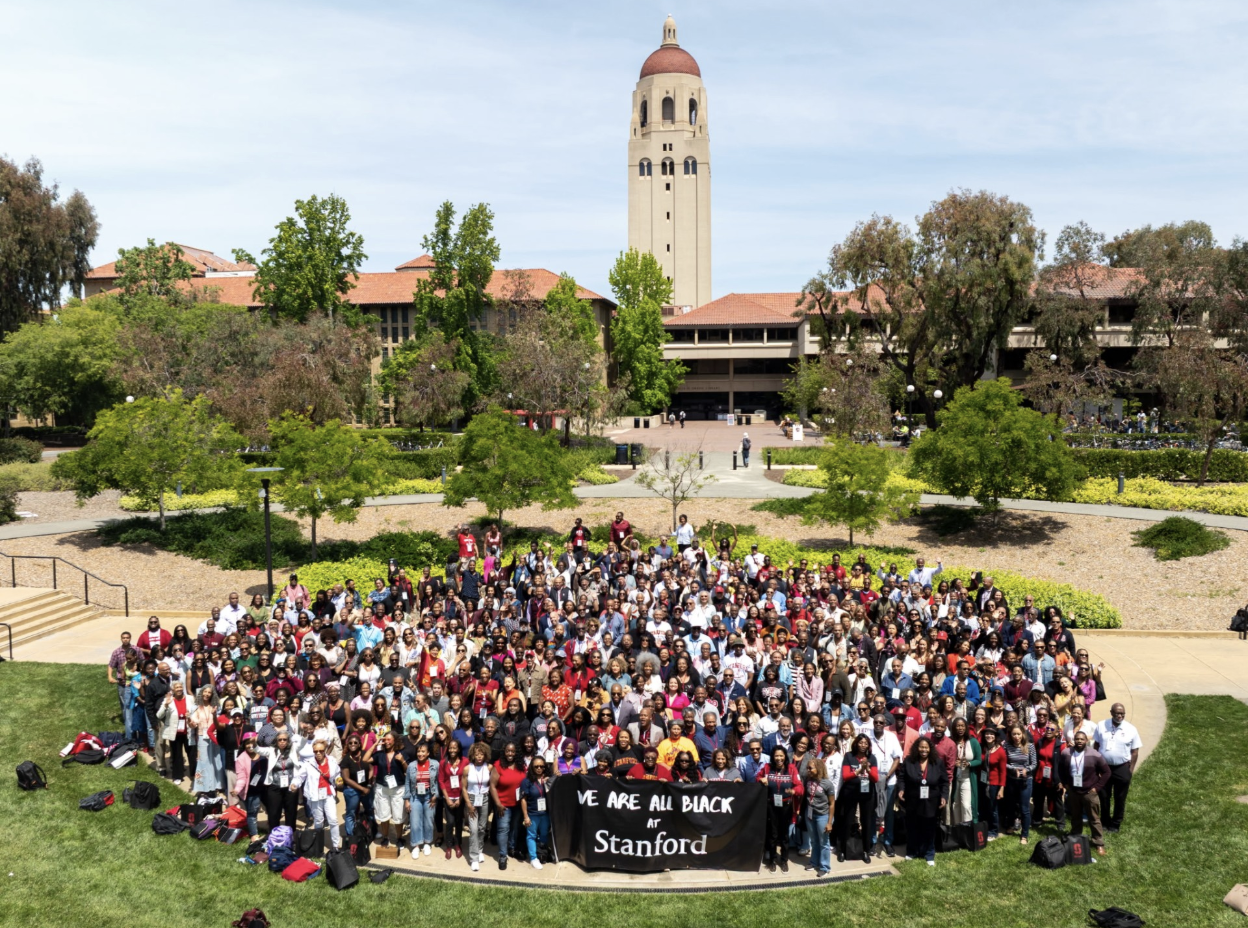
The Stanford Black Alumni Summit — hosted every other year by the Stanford National Black Alumni Association (SNBAA) — brought over 700 alumni, faculty and students together for a weekend of connection.
The theme of this year’s summit was “Together We Rise” and coincided with the 40th anniversary of the founding of the SNBAA. Co-chairs Miles Menafee ’21, Erica Dennings ’85 and Les Woods ’97 said they hoped to “emphasize the importance of unity for our community both at Stanford and beyond.”
The summit first began in 2013 in New York City, and originally focused on bringing Black alumni of all class years, backgrounds and ages together. Since then, the summit has been held in cities including Washington D.C., New Orleans, Chicago, Atlanta and Los Angeles. This year’s co-chairs brought the summit to campus to connect alumni with students and faculty.
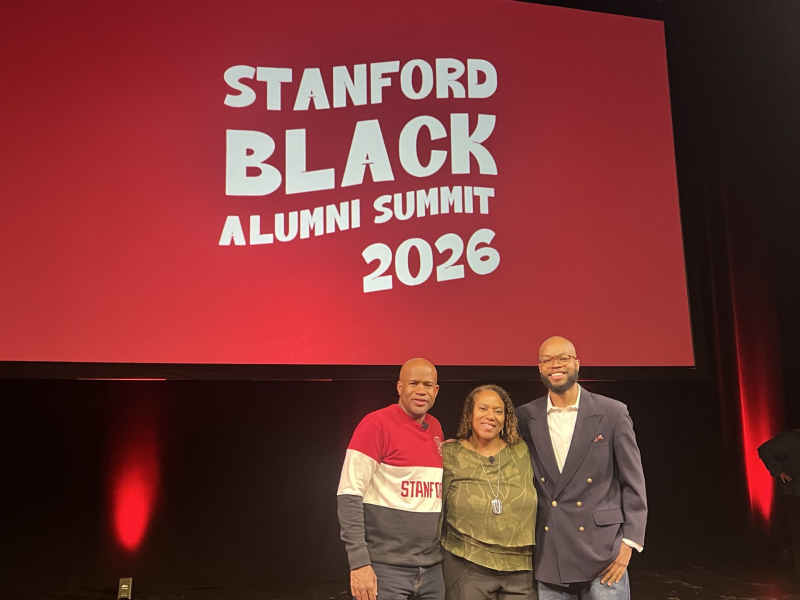
“Hosting the Summit on campus allowed us to reconnect with a place integral to our lives and engage with students, faculty and the broader Stanford community in an unprecedented way,” Dennings said.
Amid a recent decline in Black undergraduate enrollment, the co-chairs also saw it as vital for alumni to support current Black students.
“We were having some real concerns and conversations as Black alumni about Black student enrollment on campus, and felt that this was the right time for us to show up for the Black community on campus,” Menafee said.
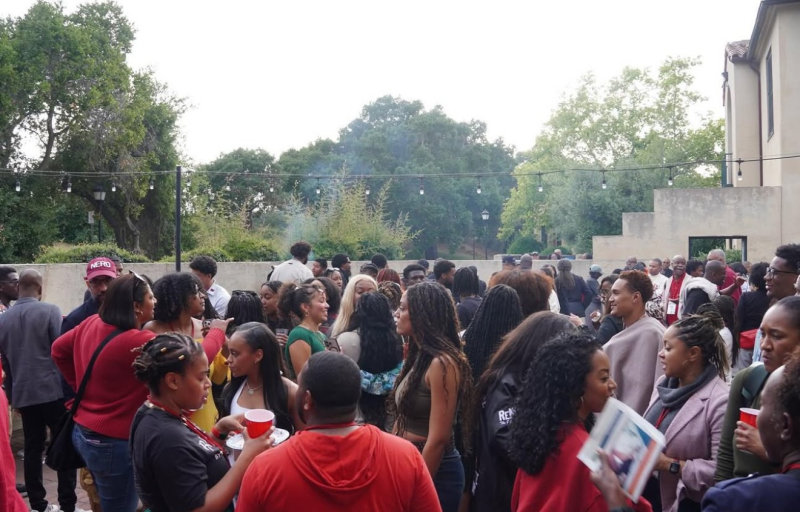
The summit included programming and events throughout the weekend focused on celebrating Black brilliance and community, including events on civil rights, mental health and wealth-building, alongside the Stanford Alphas’ annual fish fry — a community tradition for over 20 years.
Last Thursday marked the first day of the summit, with events including a golf outing, campus tours and an archives event. Members of the community explored posters and photographs portraying the history of the Black community and Black activism at Stanford.
Friday’s programming included various alumni receptions, including for the Graduate School of Education (GSE), School of Engineering, Law School, Black Greek alumni and a Student Alumni Networking Meet-Up.
The next day featured talks from members of the Stanford Black community, with panelists including Michele Elam, senior associate vice provost for undergraduate education and professor of English, actor Sterling K. Brown ’98, DMA Anderson ’86, founder and CEO of Korgi, Olympian Juliette Whittaker ’26 and Anna Malaika Tubbs ’14, a New York Times best-selling author and sociologist.
Kim Mitchell ’89 attended the “Past, Present and Future of the Civil Rights Movement” talk featuring Tubbs, author of “The Three Mothers: How the Mothers of Martin Luther King, Jr., Malcolm X and James Baldwin Shaped a Nation.” Mitchell said that “it was very moving and inspiring to hear her book about the mothers of key Civil Rights figures and how their legacy of activism translated to their sons.”
“The mothers of the Civil Rights Movement are very much like the ‘hidden figures’ we learned about in the famous movie,” Mitchell said.
After a day of programming, alumni celebrated at the Li Ka Shing Center, with cross-generational line dancing and tunes from the 70s, 80s and 90s.
“There’s a true joy that we all experience when we are together in community,” Mitchell said.
The summit ended with a community brunch, tours of the new Department of African and African American Studies (DAAAS), a Black Church service at Memorial Church and Blackfest.
“DAAAS was beautiful. It made me feel proud. I thought if I was a current student, I would love to spend my time there studying and learning,” Mitchell said.
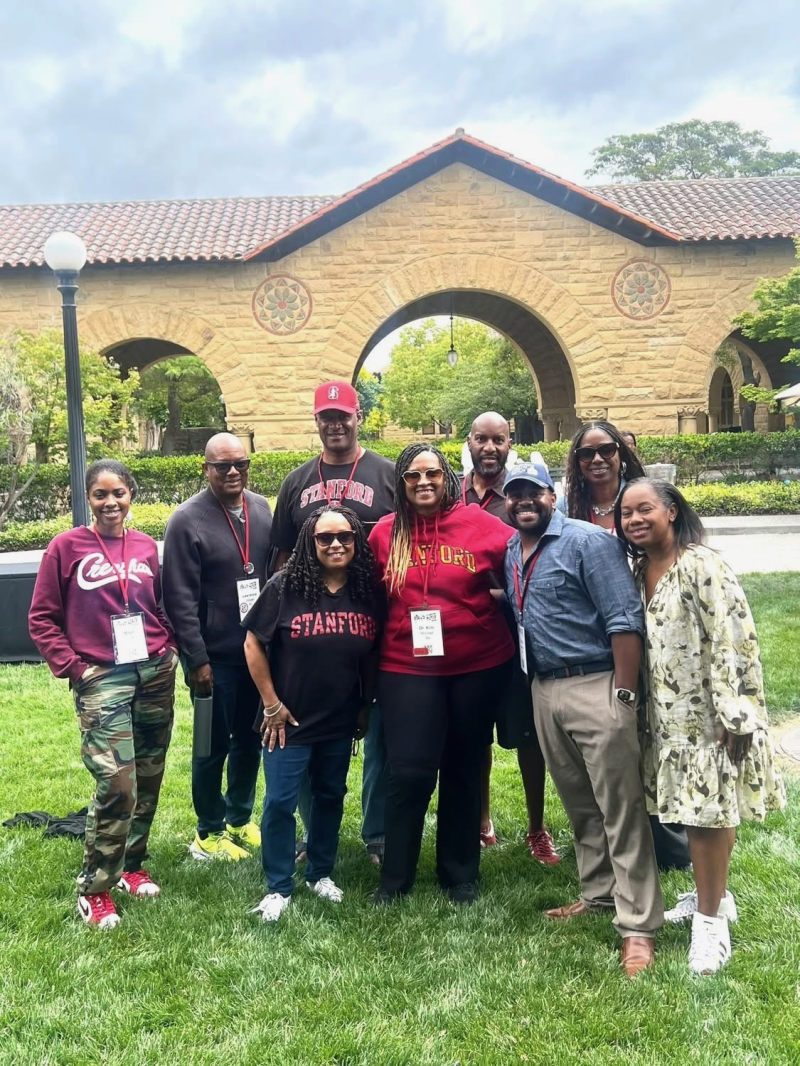
Menafee has a lasting message that he hopes Black community members who attended the summit will take away: “The best time to plant a tree is always today. The earlier you start showing up and participating in the Black alumni community the more you will grow and make connections that will grow with you.”
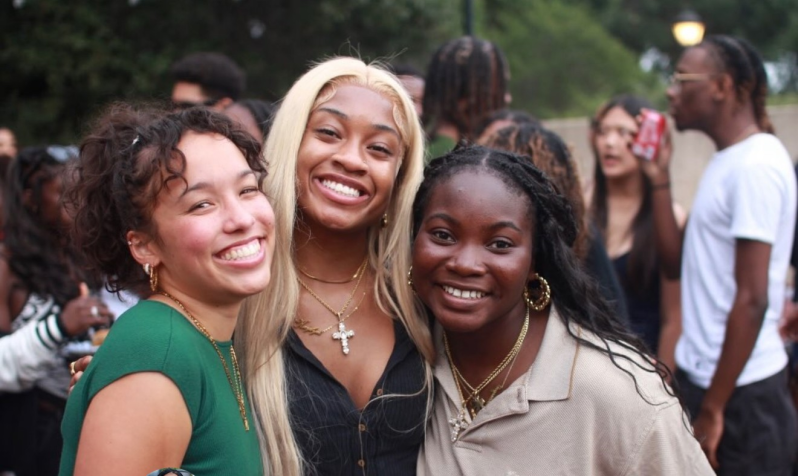
Community members’ “presence, energy and ideas,” are crucial, he added. “Being a part of Black at Stanford is being part of an impactful legacy and something bigger than yourself.”
Correction: A previous version of this article stated that the summit occurs annually. The summit actually occurs every other year. The Daily regrets this error.