
Brian Zhang is a first-year medical student at Stanford.
On the day of your Stanford white coat ceremony, you will take the Hippocratic Oath and find a new family in your 118 medical doctor (MD) and physician assistant (PA) classmates. The years ahead feel wide open, and you are swimming in potential energy. You will look out into a sea of proud parents and siblings, scanning for the one face that has anchored every milestone before this one.
But my anchor is not here. My undocumented mother always told me that if she had the chance to continue her education, she would have become a PA. There were many moments when I let myself imagine another dimension, one where circumstance did not narrow her options and there was a real possibility we might have been colleagues instead of mother and son. I also think about, if we had worked together, how she would have been treated in the medical field.
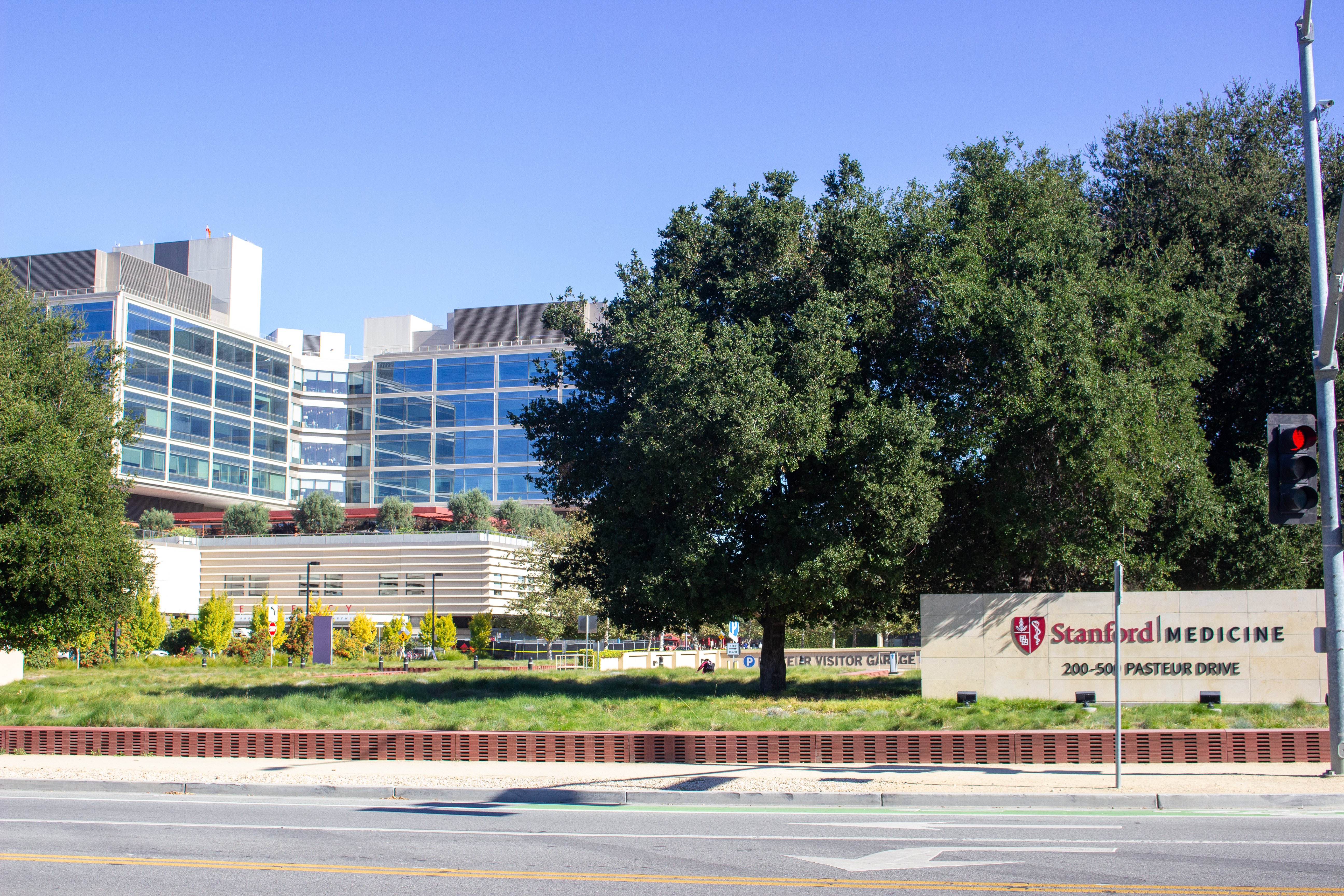
Stanford’s deliberate overlap between PA and MD training was a significant draw for me. It is one of two American medical schools where the cohorts train together for an extended period. Coming from an Ivy League university, I am deeply grateful for the breadth of opportunities I was afforded. At the same time, I became aware of how certain clinical careers — nursing, PA and social work — were discussed with less visibility or prestige, if at all. I knew I wanted an inclusive curriculum where collaboration reigns supreme, where diversity in aspiration and background translates to the best possible care for patients in the healthcare system.
Today, that same system is strained. The Association of American Medical Colleges (AAMC) projects a physician deficit of 86,000 within the next ten years. A Stanford-led study reported that nearly half of the U.S. physician workforce experienced at least one symptom of burnout. When asking my MD peers “why medicine,” nearly all mention the human-interfacing nature of our profession. That reality may be diminishing. In 2018, 70% of physicians noted spending 10 or more hours a week on administrative tasks, up from a third of doctors in 2014. The Commonwealth Fund reports that in every country, less than a third of primary care physicians were satisfied with the amount of time they spent with each patient.
An expanding workforce of non-physician clinicians is one response to these challenges. Between 2013 and 2019, the proportion of U.S. healthcare visits provided by PAs and nurse practitioners (NPs) nearly doubled, rising from 14% to 26%. However, despite evidence showing negligible differences in patient satisfaction between PA and MD-delivered care, comparable clinical reasoning styles among PA and MD students and increased PA propensity to serve rural and underserved communities, stigma toward PAs and PA students certainly persists.
Stanford has emerged as a leader in narrowing these divides, advancing a model of training that merits broader emulation. PA and MD students share a campus, complete similar service requirements through the university vaccination crew and free clinics and run for leadership positions within overwhelmingly the same student organizations.
There is a misconception that PA school is a fallback to medical school. In reality, these are distinct pathways, shaped by lived experience and professional interests that deserve inter-cohort learning.
The average PA student matriculates with 2,500 to 4,000 clinical hours. Unlike MD students, they are also often required to complete coursework in anatomy. In my experience, PAs demonstrate greater ease in early clinical sessions such as drawing blood and administering vaccines. More than once, I have turned to them for anatomy tutoring. MD students, by contrast, generally enter with fewer clinical hours and more research experience; I have supported PA colleagues in identifying research mentors and involved them in my own research. Stanford PA trainees are also paired with leaders in their field, while MD students are matched with physician advisors. Intentional pairing signals institutional recognition of each profession’s distinct training needs.
That said, building bridges, even at Stanford, remains a work in progress.
Some barriers are internal. PA students are guaranteed on-campus housing for one year, even though their program runs 2.5 years, while MD students are guaranteed housing for four years.
Beyond campus, federal policy is reshaping both pathways. Beginning this July, the Big Beautiful Bill will eliminate Grad PLUS loans, capping federal borrowing for most PA students at roughly $20,500 per year, or $100,000 total. Since PA programs are no longer classified as “professional degrees,” these limits fall far below the cost of attendance, pushing many toward private loans. The same legislation also imposes new federal loan caps for MD students: $200,000. That amount, while higher than for PAs, still grossly misses the median cost of medical school given that MD training usually spans four years, with students increasingly taking additional research years to be competitive for residency.
MDs and PAs must be more vocal, not only about the challenges facing our shared profession, but also about those that fall disproportionately on each other. Too often, medical culture is entrenched in corrosive pride. How can we claim, as future providers, to want healing for others if we normalize division and silence in ourselves and our colleagues?
Due to her legal status, my mother will probably never come to the Bay. She will never sit with me in a lecture hall or even watch me graduate. Medicine, however, is more than those things. The most meaningful way to honor her is not to dwell on the life she might have had, but to practice gratitude for the reality I do have: that I am here, studying my calling.
With gratitude also comes responsibility. Now more than ever, I call on myself to defend the calling of others with the same ferocity as my own, regardless of whether that person shares my walk of life. I urge us all to advocate for a future in healthcare where collaboration is the norm, not the exception. In this future, bureaucracy does not stand in the way of those who are ready to serve.