
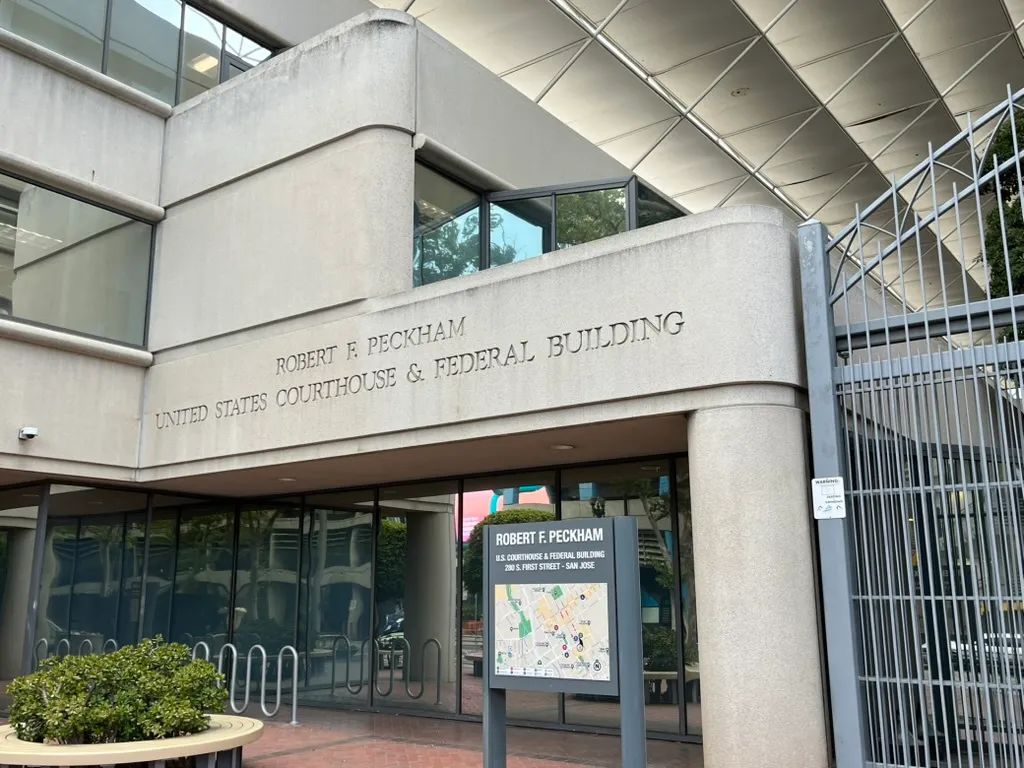
U.S. District Judge Noël Wise requested more information in The Stanford Daily’s federal lawsuit at the end of a Wednesday hearing — which saw constitutional legal arguments over the government’s alleged use of immigration provisions to deport individuals based on their speech — delaying a ruling in the case.
The lawsuit, filed on Aug. 6, challenges provisions of immigration law that the government claims it can use to revoke visas for protected speech, including published articles. Notably, Tufts University student Rümeysa Öztürk was detained by immigration officers and deported in retaliation for a pro-Palestine op-ed she wrote in The Tufts Daily. The suit alleges that the application of these statutes to deport students like Öztürk has chilled speech and created a climate of fear on college campuses.
After Wednesday’s bench trial “on the papers” in The Stanford Daily Publishing Corporation et al. v. Marco Rubio, Kristi Noem, Wise ordered both parties to propose their “ideal” legal orders for her and supplemental briefings by June 26. Another hearing is scheduled for July 28.
The hearing began at 9 a.m. and concluded by nearly 5 p.m at a U.S. courthouse in San Jose. Wise acknowledged that the arguments involved in the suit were lengthy and complex, but maintained they were necessary given the case’s significance. “It’s not lost on me the effort put forth from both parties,” she said.
The plaintiffs, represented pro bono by The Foundation for Individual Rights and Expression (FIRE), include The Daily and two anonymous university students who are not affiliated with Stanford. The defendants are Secretary of State Marco Rubio and former Secretary of Homeland Security Kristi Noem. Wednesday’s arguments followed a January hearing in which Wise denied the government’s motion to dismiss the lawsuit.
The Daily has seen a change in leadership since then. In February, incoming editor-in-chief George Porteous ’27 and executive editors Amina Wase ’26 and Anna Yang ’27 vowed to continue the suit. “We maintain that the government’s enforcement of immigration law has negatively affected international students’ ability to participate in Daily reporting,” they wrote. “When student journalists fear retaliation for doing their jobs, democracy suffers as a whole.”
Wise opened Wednesday’s hearing addressing the underlying facts of the case, pushing both sides on their decision to conduct a “trial on the papers.” Lawyers for the plaintiffs and defendant said they agreed on the facts, having submitted a joint statement to the court. They asked for the case to be decided based on statutory and constitutional arguments.
“We disagree on the legal ramifications, but we don’t disagree on what happened here,” said FIRE attorney Conor Fitzpatrick.
Fitzpatrick said that he and other attorneys for the plaintiffs were pursuing the case facially instead of “as applied,” arguing the government’s laws were broadly unconstitutional. The plaintiffs also seek declarative and injunctive relief from the government’s alleged unlawful deportation and revocation laws, urging the court to provide protection for non-citizens.
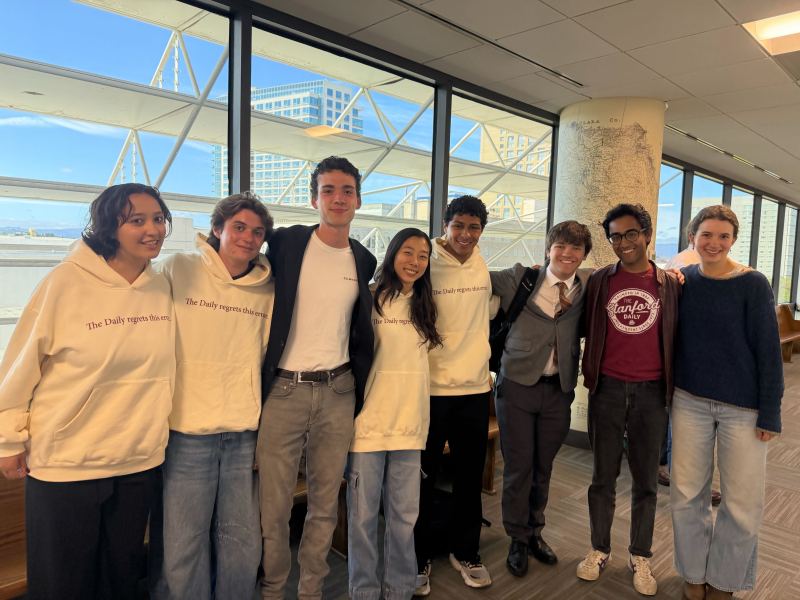
A group of Stanford Daily staffers sat watching the proceedings inside the courtroom, many wearing Stanford Daily merchandise to show support for the case.
The trial moved to arguments from both sides about the constitutionality of the government’s deportation practices, and whether they violate the First and Fifth Amendment protections on free speech and due process, respectively.
Regarding the First Amendment, Fitzpatrick argued that the Trump administration’s visa revocations unconstitutionally attack protected speech. Fitzpatrick argued that the current administration has discriminated based on viewpoint and content, targeting students that speak out against the government’s policies.
The defendants, represented by assistant U.S. attorney Kelsey Helland J.D. ’14, said the government has the right to revoke legal status on the basis of speech, arguing that Rubio has this discretion based on the compelling interest of “foreign policy or national security threats.”
Under the Fifth Amendment, the plaintiffs argued that the government’s current approach to immigration enforcement fails to establish “clear guardrails” about legal and illegal conduct, creating a vague law that operates “because [Rubio] wants to and because [Rubio] says so.”
Helland argued that the broad framework was necessary to address threats to national security, saying “foreign nationals have reduced Fifth Amendment rights,” and previous cases have upheld this precedent. However, the plaintiffs’ attorney disagreed, saying that previous cases have shown such immigration regulations to be too broad and vague.
While the next hearing is set for July, Wise said it could be pushed back further depending on the proposed orders delivered by the parties. At the end of the hearing, she said she remained “uncertain” about some of the legal issues at hand.