
I drank an inordinate amount of jungle juice at my first Stanford party. Early into my second quarter on campus, I had no real thoughts beyond the desire to forget the mistakes I made the quarter prior. The evening ended with a 5-SURE taking me to my dorm and an overnight stay in a hospital bed. I remember my vulnerability that night like it was yesterday.
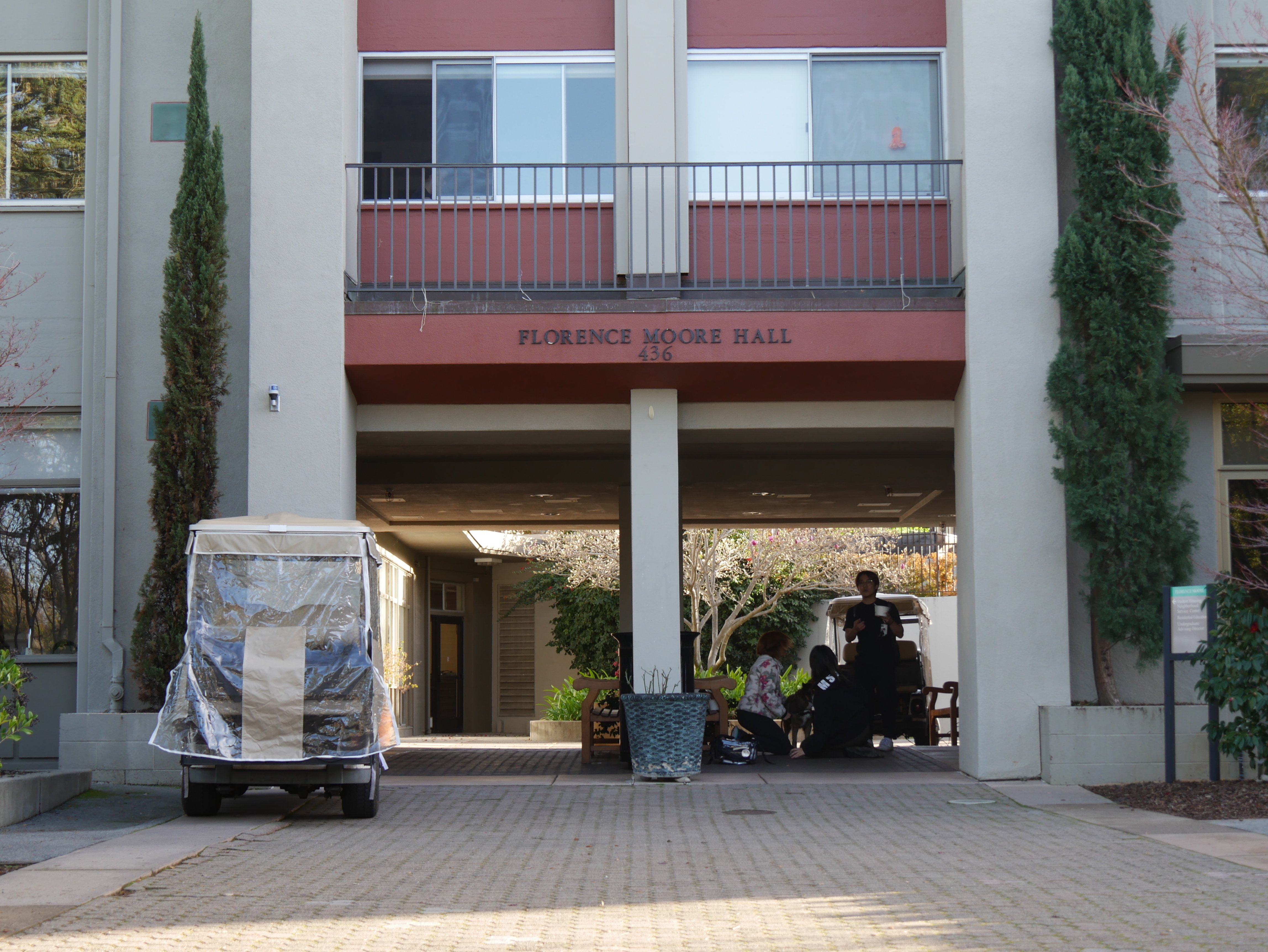
Going into this party, I had no understanding of how to properly space my drinks out. If it were not for my Florence Moore Hall (FloMo) Residential Assistant (RA) that waited with me until I could be taken to the hospital, in addition to the FloMo dormmate (a future Narnia RA) that took the 5-SURE with me, things could have ended much more terribly.
It is not lost on me that those two people (thank you, Carly and Sebastian) would eventually have working as RAs in common. This story is not uncommon for Stanford students to tell — a team of all-star RA support getting them through their first year. From support after serious over-drinking to dealing with first-quarter off-campus homesickness, navigating the Stanford bureaucracy to learning more about a particular major or even just a fun on-call night, RAs are there for their residents.
RAs are the front lines of student life — acting as advocates and community anchors during their residents’ best, messiest and scariest moments.
RAs play an indispensable role in cultivating the very campus life that the University highlights. Thatis the lens through which we need to view RAs pushing to unionize. This push comes amid Residential Education’s (ResEd) “Red Wedding” massacre of RA positions left and right, its needlessly complicated residential application process and its disrespectful streak of inaccessibility to RAs in need of institutional support. ResEd’s actions give the impression of a callous disregard for the heart and soul of residential life.
In standing in solidarity with the proposed Resident Assistants United Rising (RAUR), students must realize that RAs are fighting not for anything radical but instead, as one RAUR organizer explained, “a consistent structure to bargain with the University as equals.” RAs have repeatedly voiced their concerns over ResEd failing them on pay, communication and staffing vacancies. But having been treated by their university bosses as less-than on all fronts, RAs have no other option but to unionize and force a fair bargaining table into existence.
A potential standoff between ResEd and RAUR would put RAs in a better position to support their residents. Not needing to pay for room and board — something that RAs at the University of Pennsylvania, Georgetown University and the University of California, Los Angeles do not worry about — would help financially-strapped RAs devote more time to cultivating dorm life and answering residents’ pressing residential, academic, social and emotional questions.
Securing contractual language that roll back ResEd’s pervasive staffing cuts would not just bring the University back to the staffing levels that it was already able to sustain. It would also, from frosh dorms to co-ops, ensure that the social and residential knowledge at Stanford can endure long after current RAs graduate from Stanford.
Meeting the demand for transparency on RA applications and hiring-firing procedures is also a must. Clear expectations would not just signal to RAs that their university employers respect them and that strike-free negotiations are still a worthwhile option. ResEd treating RAs with such basic clarity and respect would also streamline the process of remedying workplace concerns — saving the University precious time and resources that, at least ideally, never need to be dedicated towards or prolonged strikes.
On a deeper level, students must look at RAs’ fight for workplace dignity as an elevation of broader campus advocacy. RAUR successfully extracting necessary concessions from ResEd brings its university overseer, Student Affairs, to the negotiating table. Student Affairs, while it oversees ResEd, also oversees the Office of Community Standards (OCS) — the office at the heart of various free speech and campus conduct issues that students, their representatives and alumni have opposed.
As much as the anti-student records of OCS and ResEd feel like unfortunate facts of campus life, there is hope for a two-front campaign for students’ interests. RAs securing the gains they deserve from ResEd makes it harder for OCS and those in charge of it to evade students on broadening free speech guidelines, clarifying event protocols and guaranteeing equal student representation in the search for OCS director.
There is no better time than now for students to stand in solidarity with RAs and their unionization fight. This is a fight for a fairer Stanford in and outside of the dorms, and students must resist any and all attempts to frame their interests as being zero-sum to those of unionizing RAs. Should RAs succeed in asserting themselves as an equal party to the University, it will be students’ once-in-a-generation chance to force university leadership into making the workplace, residential life and free speech concessions that justice demands.