Showing search results for:
complexity theory
Sept. 24, 2024
The court's decisions within the last year, like Trump v. United States, surprised legal experts by deviating from long-standing precedents.
By Anwen Hao
Oct. 31, 2023
In this installment of "Loose Canon," Ellen Yang explores advice columns of the past and how the genre has been reshaped to fit today's consumerist, literary habits.
By Ellen Yang
Oct. 16, 2023
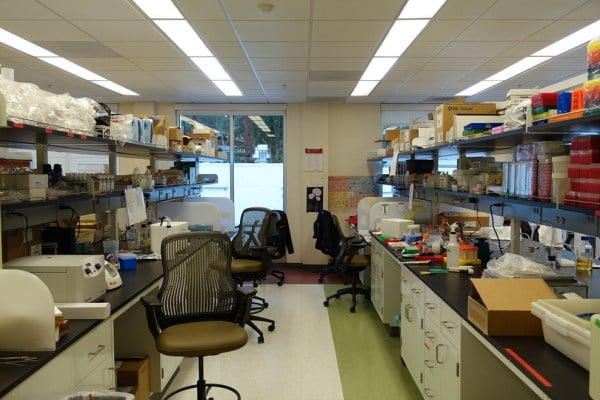
Stanford researchers used assembloids and CRISPR screening to isolate and understand which genes lead to developmental disorders.
By Shreya Komar
Dec. 4, 2023
Created to showcase cultural music that stems from the global African Diaspora, the ensemble brings together musicians of various backgrounds in concert.
By Erin Ye
Jan. 29, 2024
Jenny Shi ’24 and Benjamin Przybocki ’24 were announced as two of 16 students nationwide selected as 2024-2025 Churchill Scholars. They will receive full scholarships to pursue a one-year master’s degree in STEM at the University of Cambridge.
By Linda Liu
Oct. 5, 2023
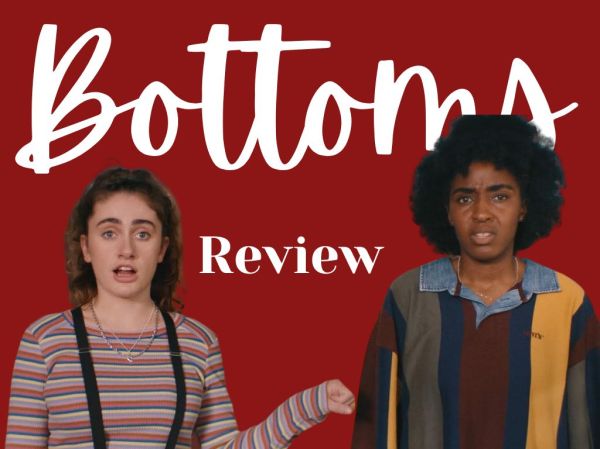
The recently released movie is a unique, if sometimes flat, exploration of the complexity of female sexuality, writes Blyss Cleveland.
Sept. 25, 2023
In her piece "People I used to know," Michelle Fu explores the concept of change and reflects on the people who have passed through her life.
By Michelle Fu
Oct. 19, 2022
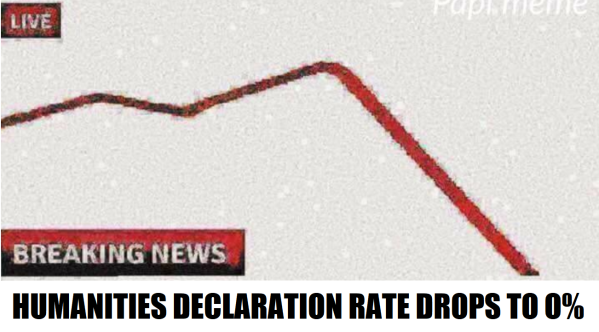
By the time graduation comes around, those humanities majors are likely to be destined for starvation and the streets.
By Eric Heng
Sept. 25, 2022
Learning about the Mandela Effect sparked my interest in psychology and how our brains play tricks on us. Moreover, it taught me how complex our cognitive abilities can be and how collective false memories can occur, writes Laurie Chow.
By Laurie Chow
May 28, 2023
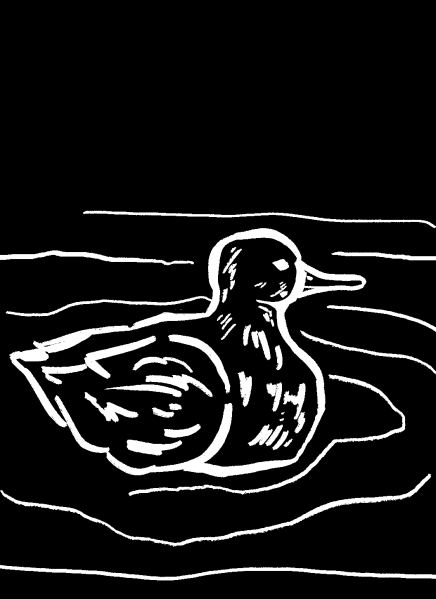
The concept of students making relentless work look effortless has been deemed ‘duck syndrome’ by many at Stanford, due to the image of a duck floating across the water peacefully while kicking hard underneath. But despite its humorous name, it may have serious self-esteem and mental health consequences for students at Stanford and beyond.
By Oriana Riley
Oct. 5, 2022
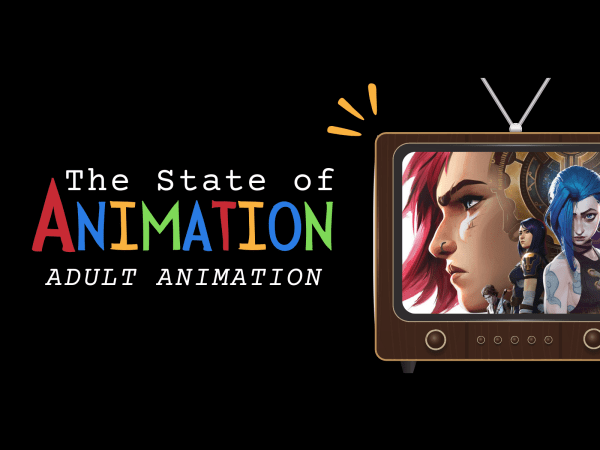
With an infinitely large room for creativity and innovation in visual art, adult animation should be your next genre to binge on, writes Kristofer Nino.
Oct. 11, 2022
The major has replaced the mathematical and computational science (MCS) major, though currently-enrolled students in that program will be able to finish their degrees.
May 13, 2020
Facebook says the organizing of stay-at-home protests qualifies as “harmful misinformation” and will therefore be removed. This latest move is among other recent efforts that show the company is becoming more willing to take on the responsibility of content moderation, at least in the wake of worldwide pandemic.
April 21, 2020
I am not here to tell you to stop building. What I am here to do is slap a large, glaring asterisk onto a well-intentioned polemic that is equal parts inspirational and obtuse.
By Jason Zhao
March 8, 2022
Linda Liu argues that the Political Science and International Relations curriculums should incorporate more diverse perspectives from around the world. "The Stanford Political Science and International Relations programs should integrate the perspectives of other cultures into all of its courses, regardless of content or focus, in order to train students to become informed global citizens capable of empathy and making educated decisions," writes Liu.
By Linda Liu
March 3, 2020
Should more and larger companies file for PBC status if their work significantly impacts social life, the environment, or the political sphere?
By Avery Rogers
Feb. 3, 2020
Ananya Karthik discusses the importance of algorithmic hygiene in creating an inclusive digital future.
Nov. 28, 2022
David Neese and Ayush Majumdar argue that Stanford should revitalize the intellectual spirit of the university. "The troubles of Stanford aren’t, I think, purely social: at bottom they are intellectual and spiritual," they write.
By David Neese and Ayush Majumdar
Feb. 17, 2023
His paper was called “the miracle result.” But it never turned into an Alzheimer’s treatment. Now, four former Genentech senior scientists and executives allege that an internal review in 2011 discovered the paper had been based on fabricated research — and that Marc Tessier-Lavigne kept the results of the review from becoming public. He denies the allegations.
By Theo Baker
No additional search results found.